Nature vs Nurture
When you hear the word “nature” in design, you naturally think of bringing the outdoors in. However, in this context we’re talking about our “human nature.” Our natural inclination to move towards what’s comfortable for us. Our tendency to make decisions based on our comfort zone and our own small world of design biases. Our nature clings to colours we are familiar with, styles we have always admired and accessories we are accustomed to dotting throughout our homes and cottages. What we “think” we like and are drawn to is not necessarily the best path forward. Our preferences are often shaped by what we've seen before, what's familiar, or what feels comfortable, which can unintentionally limit the possibilities for a space. An experienced designer helps us see beyond those initial instincts, introducing ideas and solutions we may never have considered. By exploring new materials, layouts, textures, and combinations, we open the door to design choices that are more meaningful, more functional, and often far more exciting than the original vision. Sometimes the spaces we fall in love with are the ones we never would have imagined on our own.
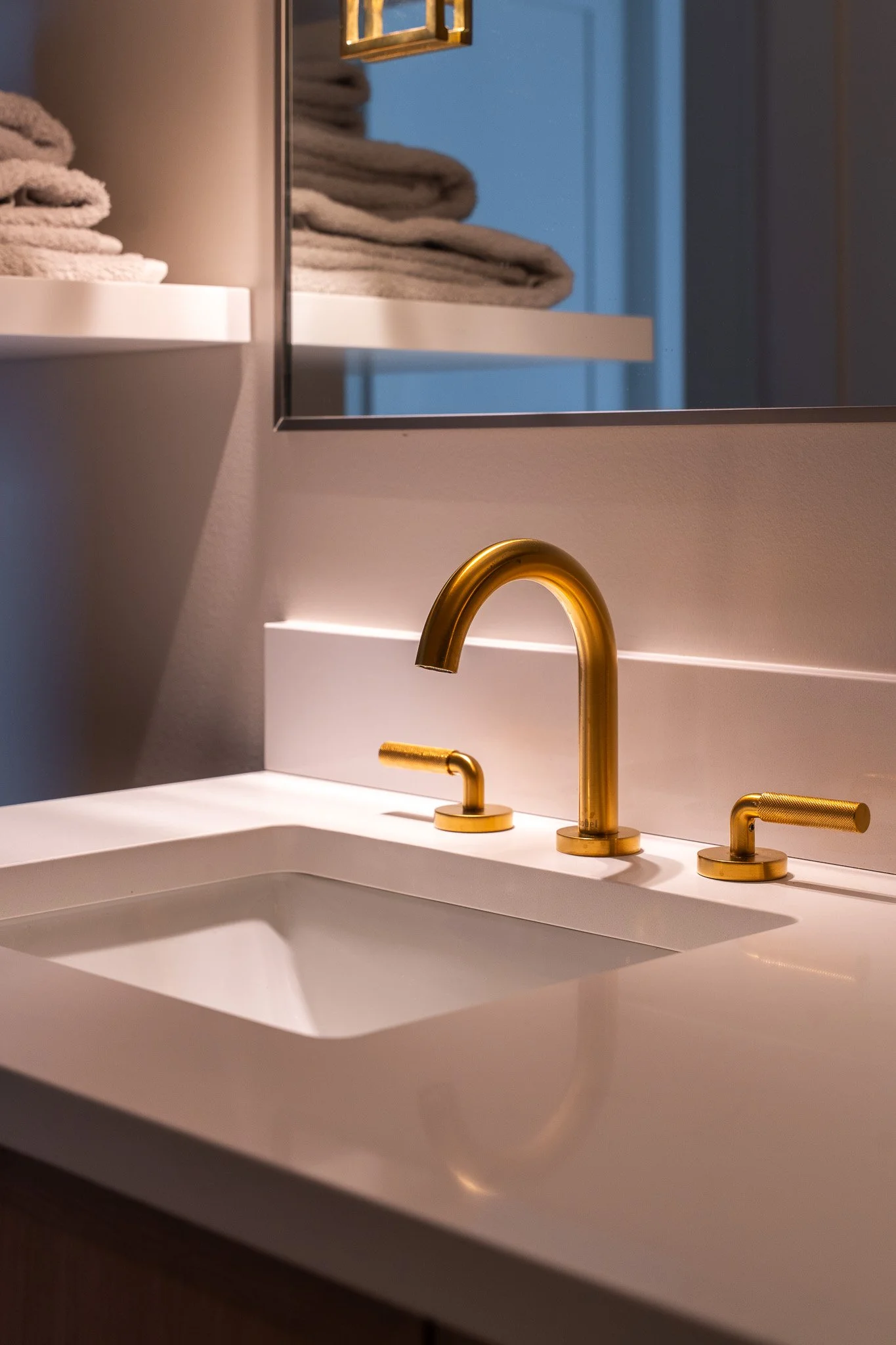
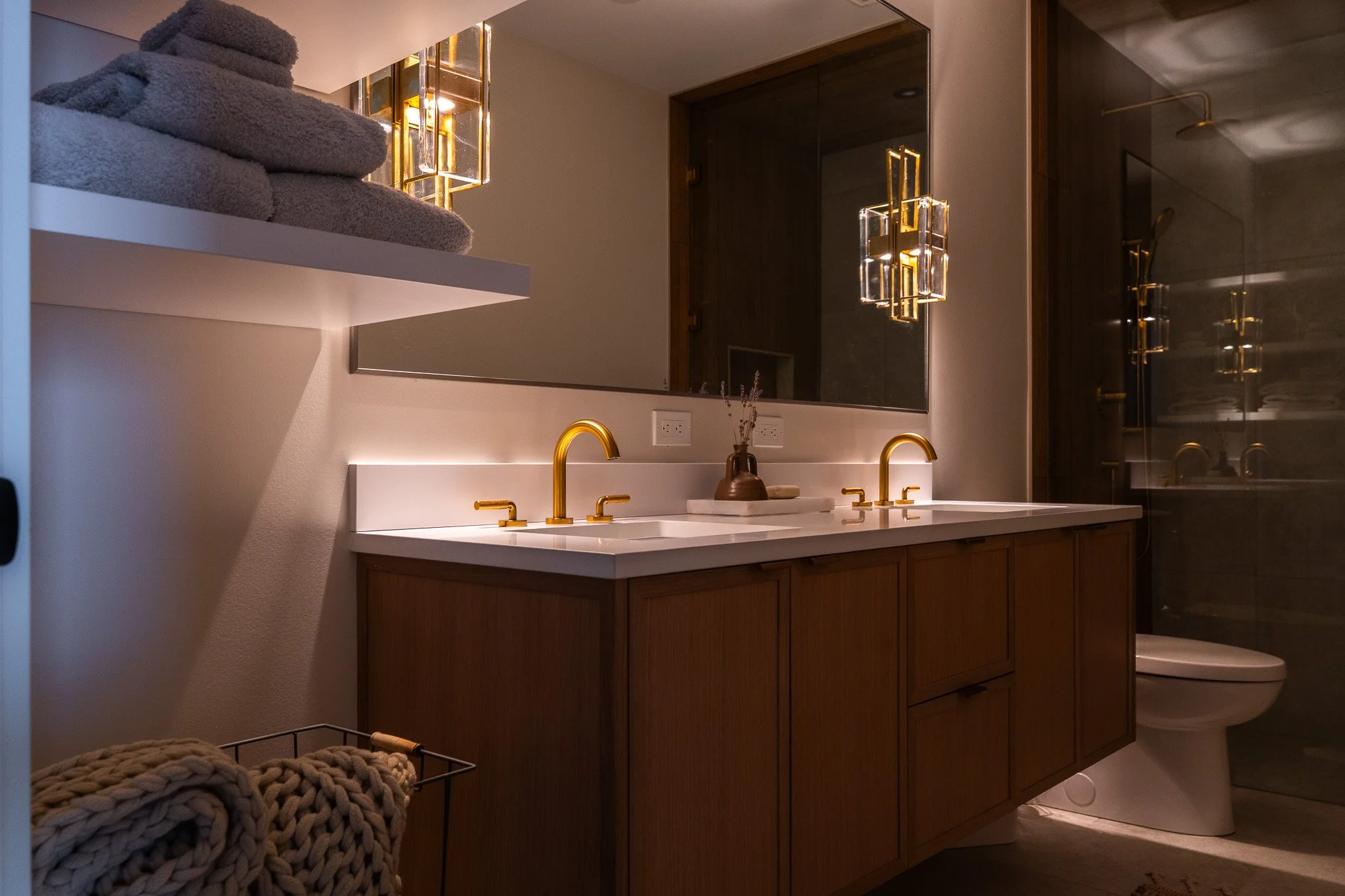
Lighting, positioning, layout, hardware, all are components of design that are just one small piece of the larger push to explore ideas we may not have thought of on our own.
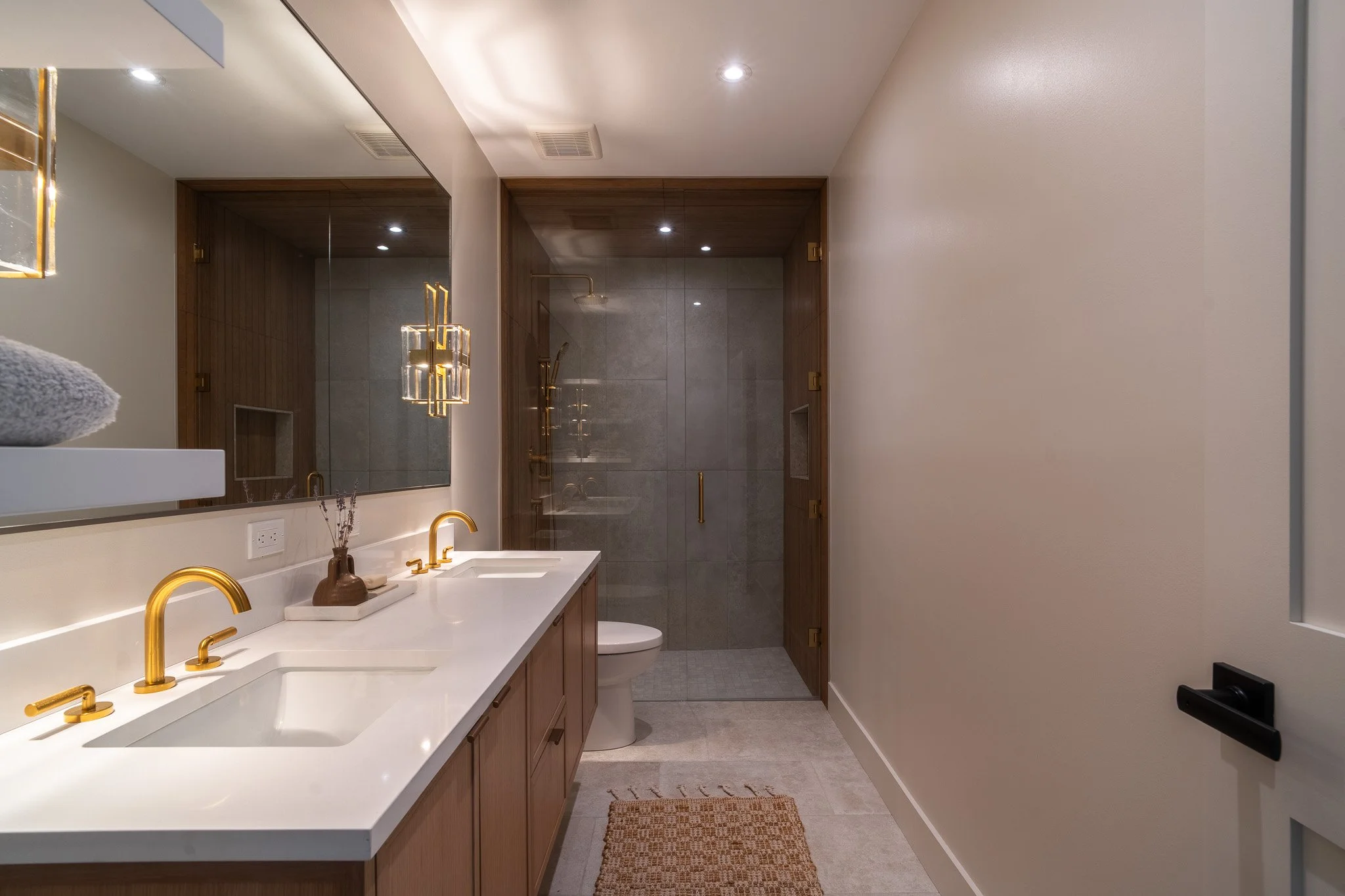
Accenting walls with tile, features and details are often beyond the everyday notion of exactly what a bathroom can contain to elevate its design.
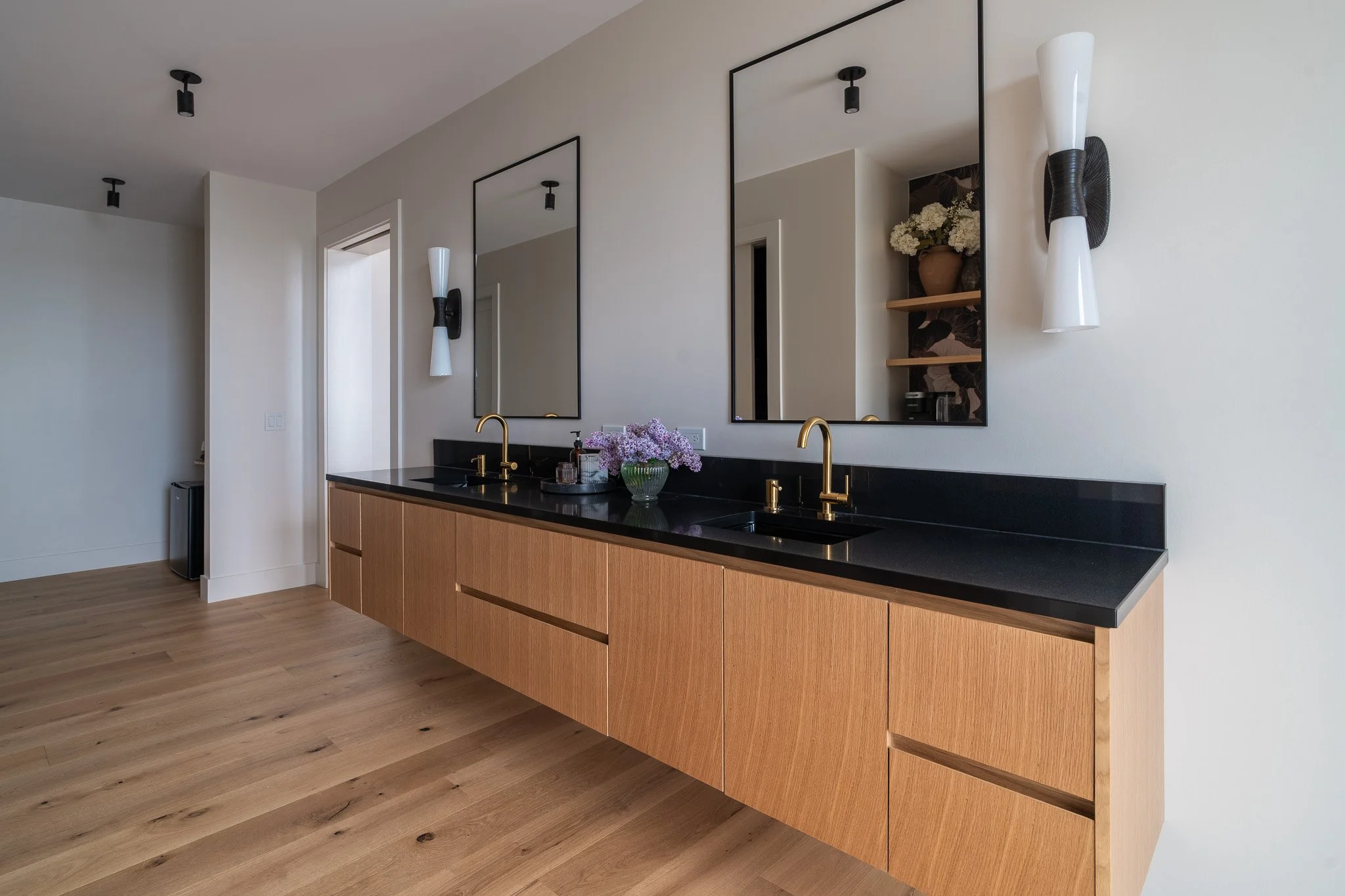
Modern mixed with traditional for how form and function meet is often where a designer connects the dots for a client.
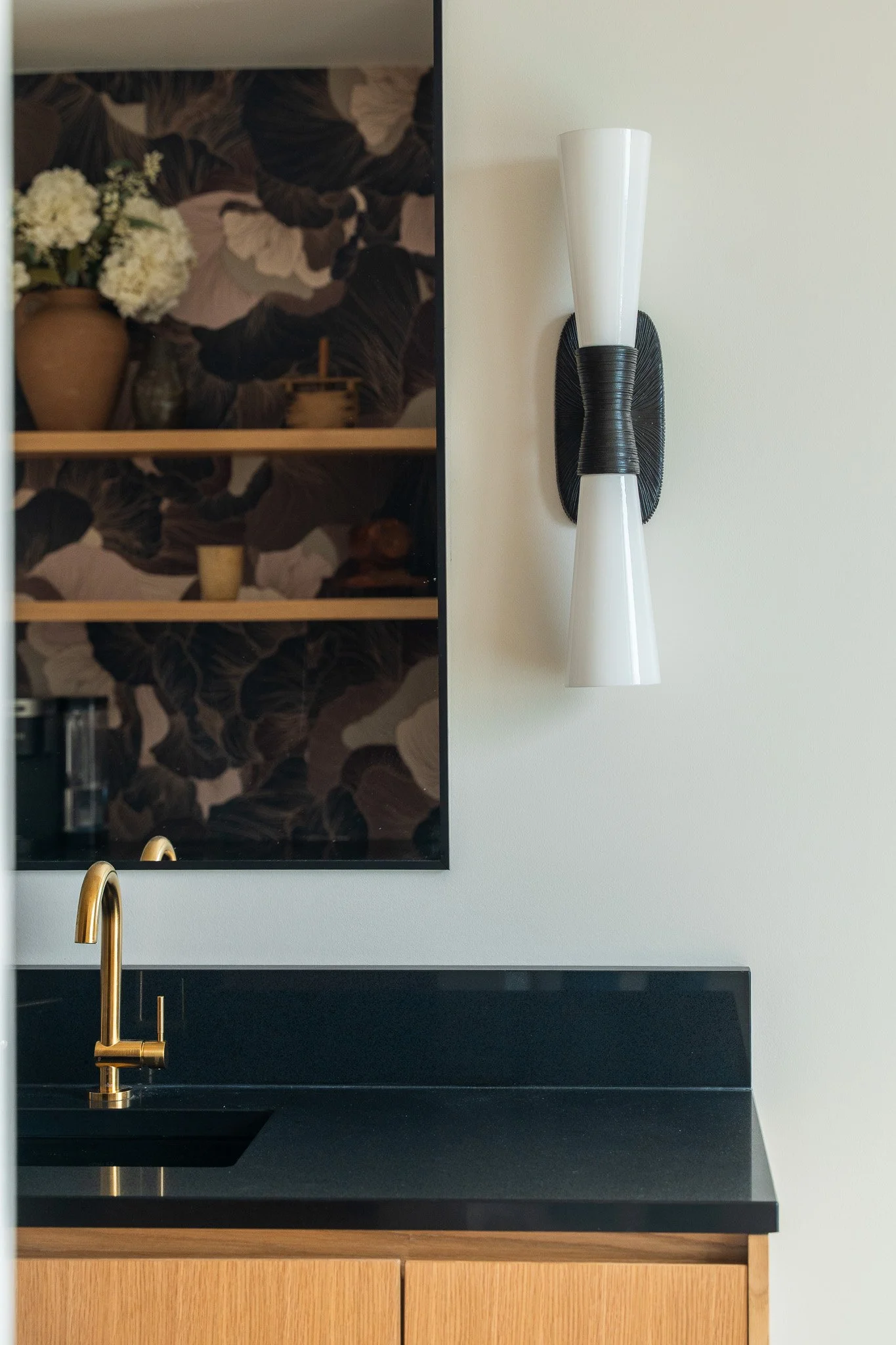
The result isn't about imposing a designer's vision; it's about elevating the client's own vision into something more refined, more functional, and ultimately more inspiring than what we could have executed on our own. This is where “nurture” comes into play. It’s a bit of a complex dynamic between the designer and the client, but as a designer, I’ve been long curious about the nature vs nurture element of the design world.
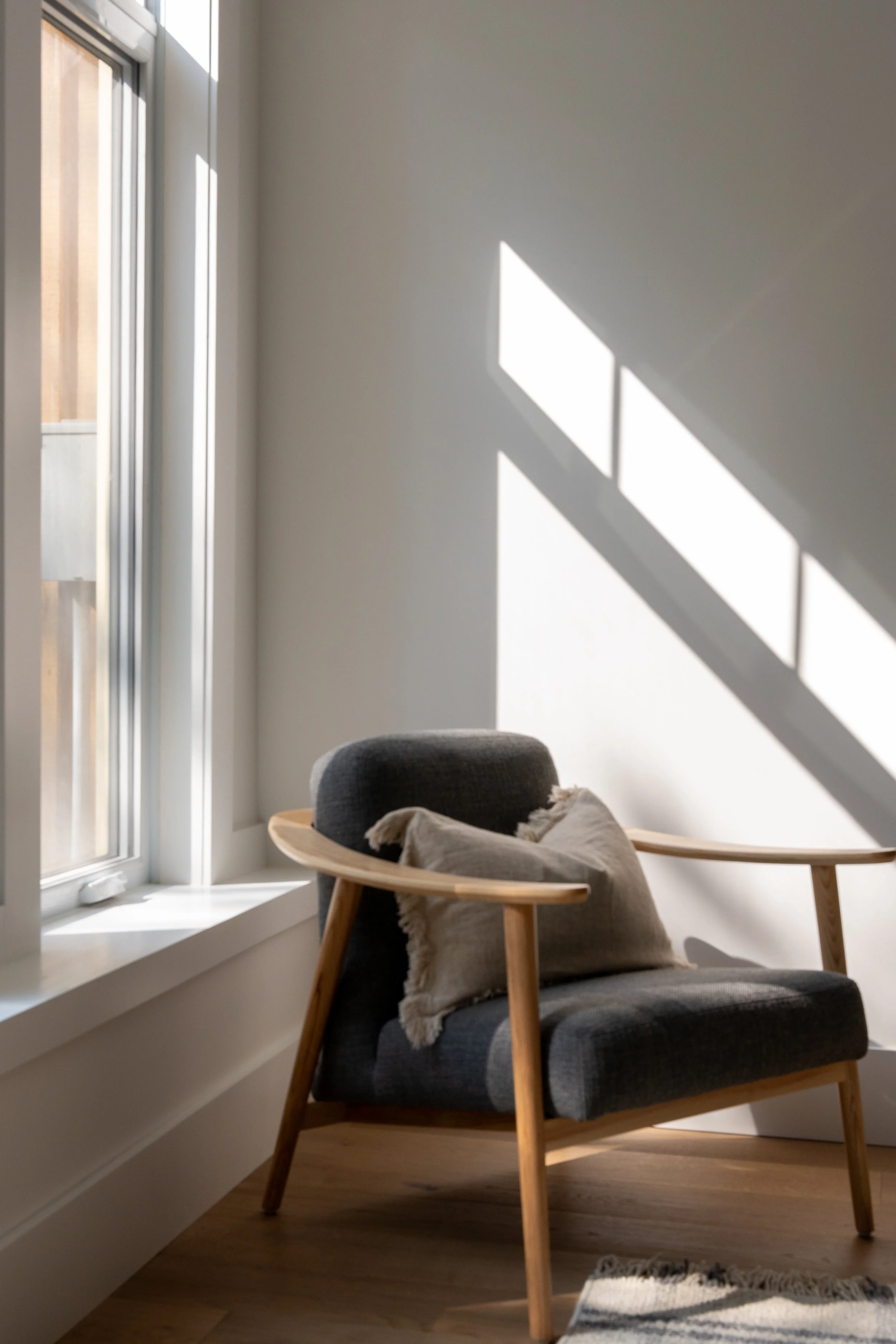
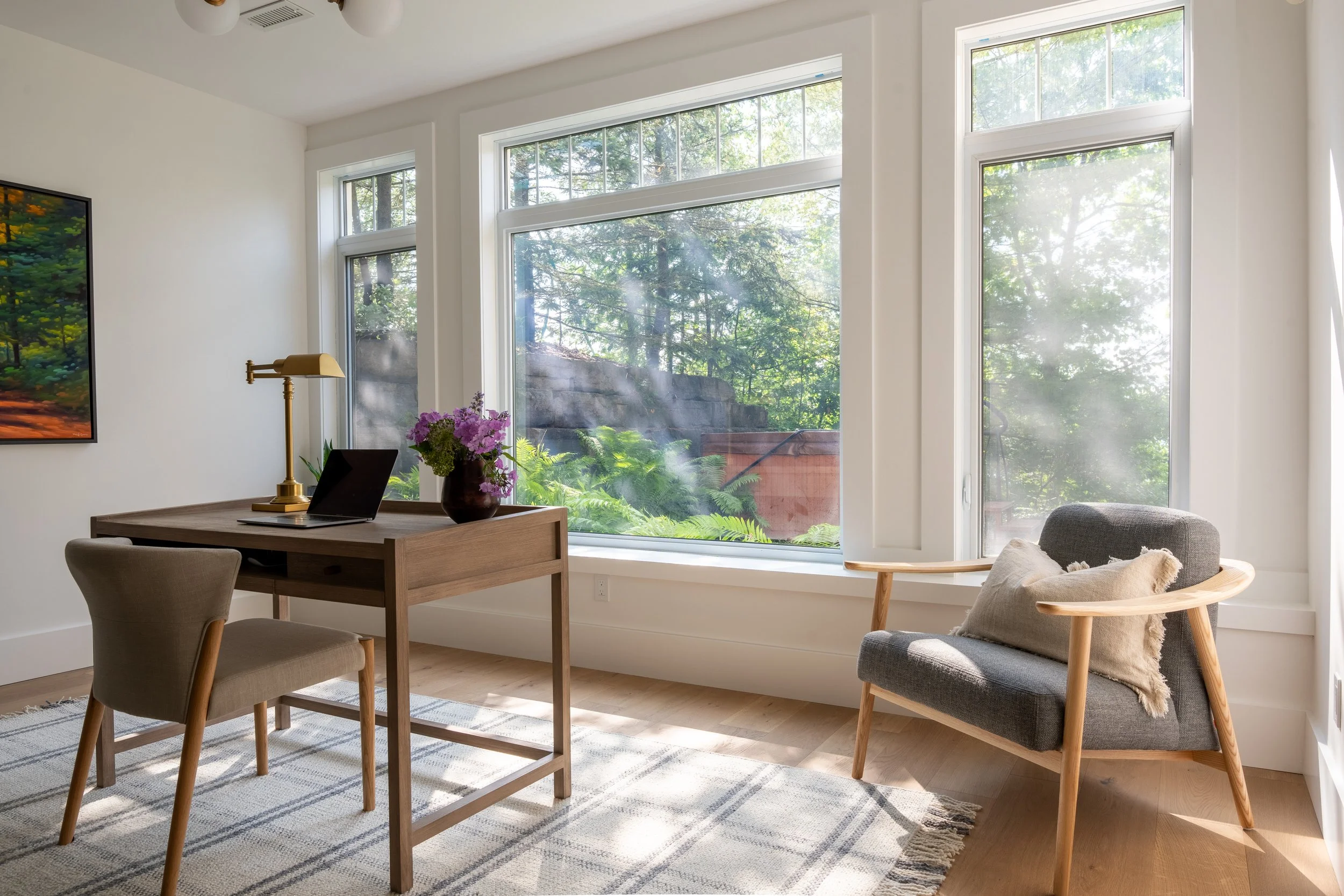
How we use space is another piece of the puzzle that often stretches our ideation with a client.
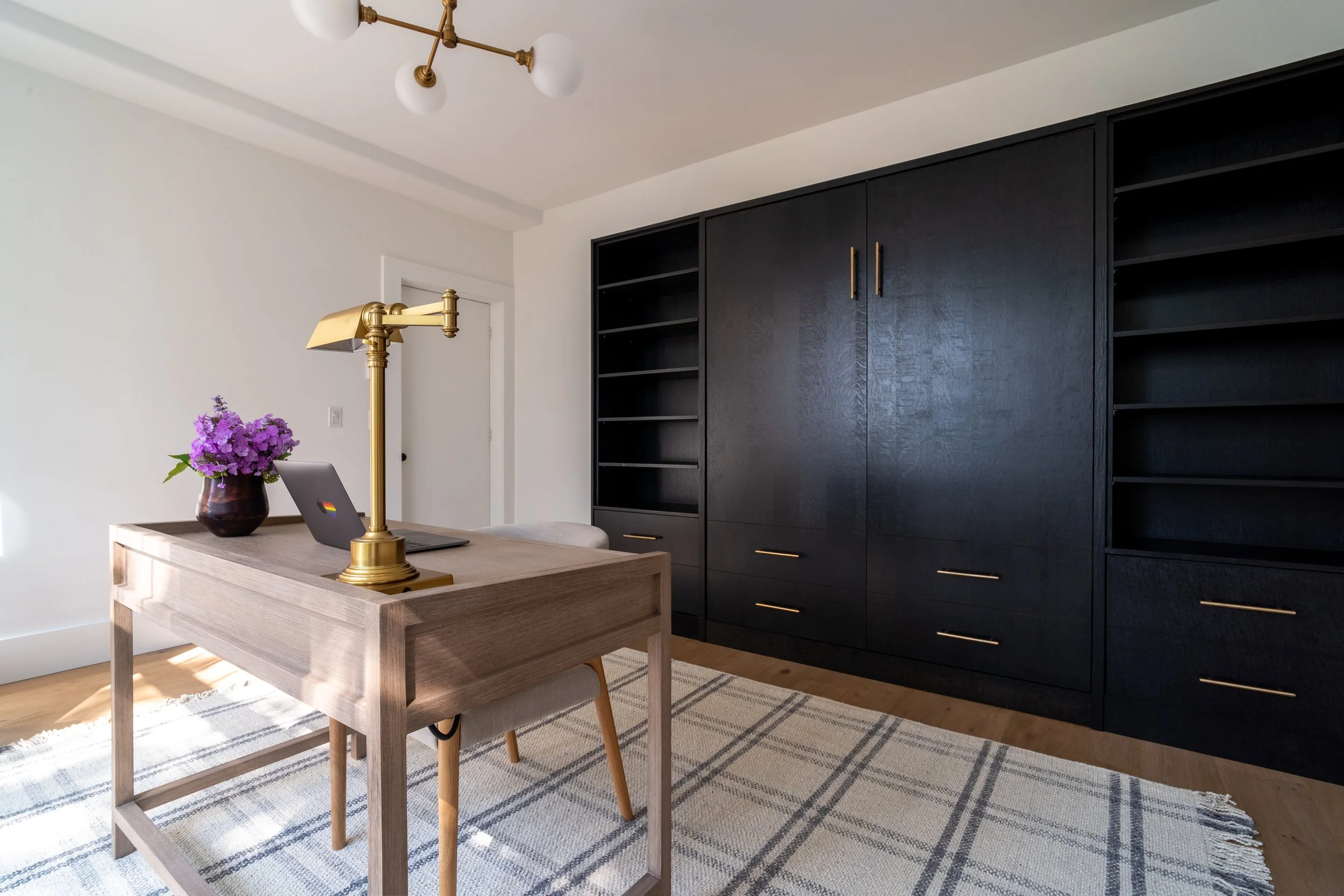
This space had to do double duty as interim office with built-in murphy bed for guests. Imagining new ways for our spaces to be used is where a designer can challenge the status quo to arrive at the best use for an extra room.
An interior designer nurtures a client by building trust, offering reassurance, and guiding them through every stage of the design process with experience and empathy. Rather than simply delivering a design, they help clients understand the reasoning behind each decision, giving them the confidence to embrace ideas they may not have considered on their own. They know when to challenge familiar choices, when to encourage exploration, and when to simply listen. This thoughtful guidance helps clients move beyond uncertainty and comfort zones, allowing them to make decisions that ultimately create a home that is more functional, beautiful, and reflective of how they truly want to live.
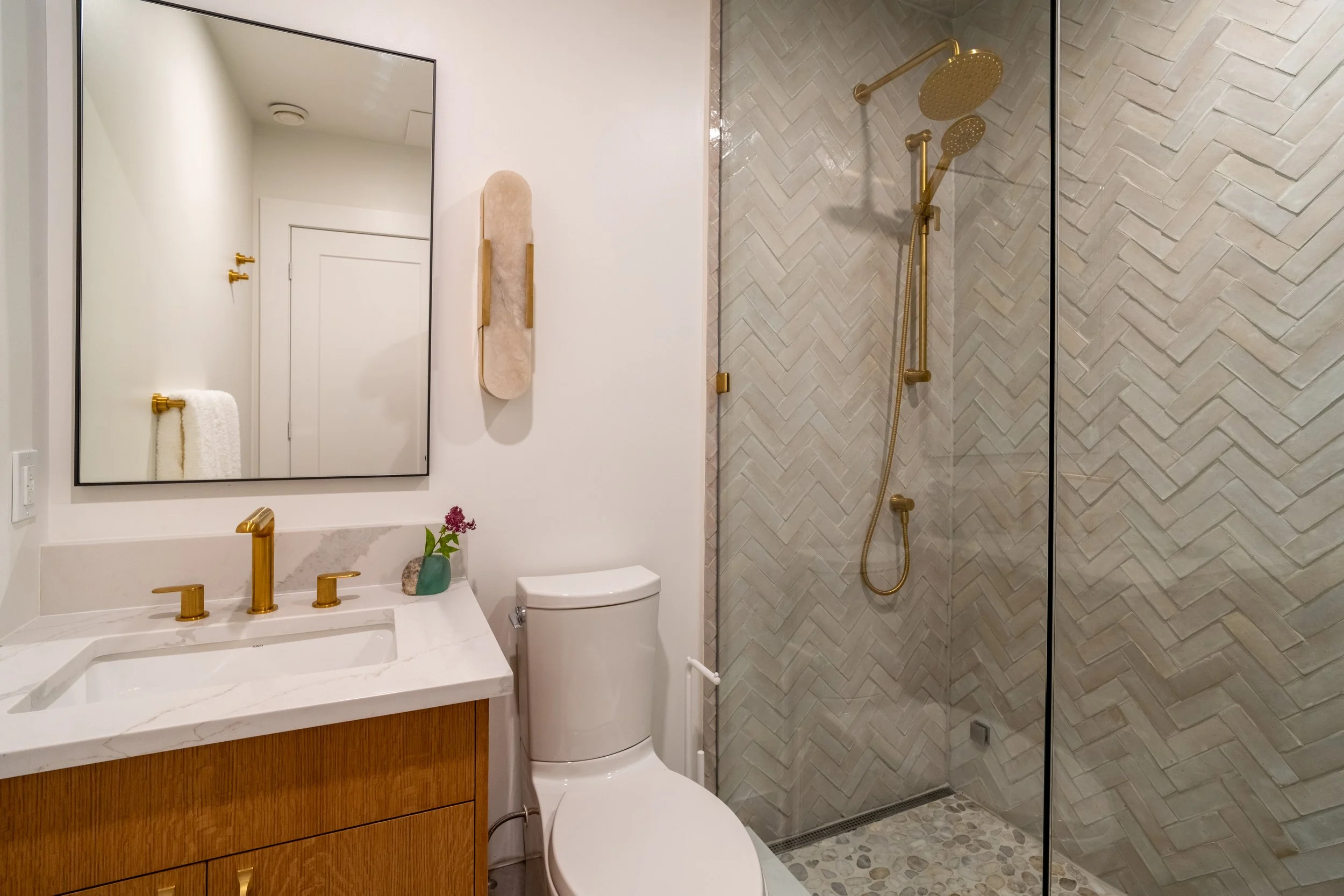
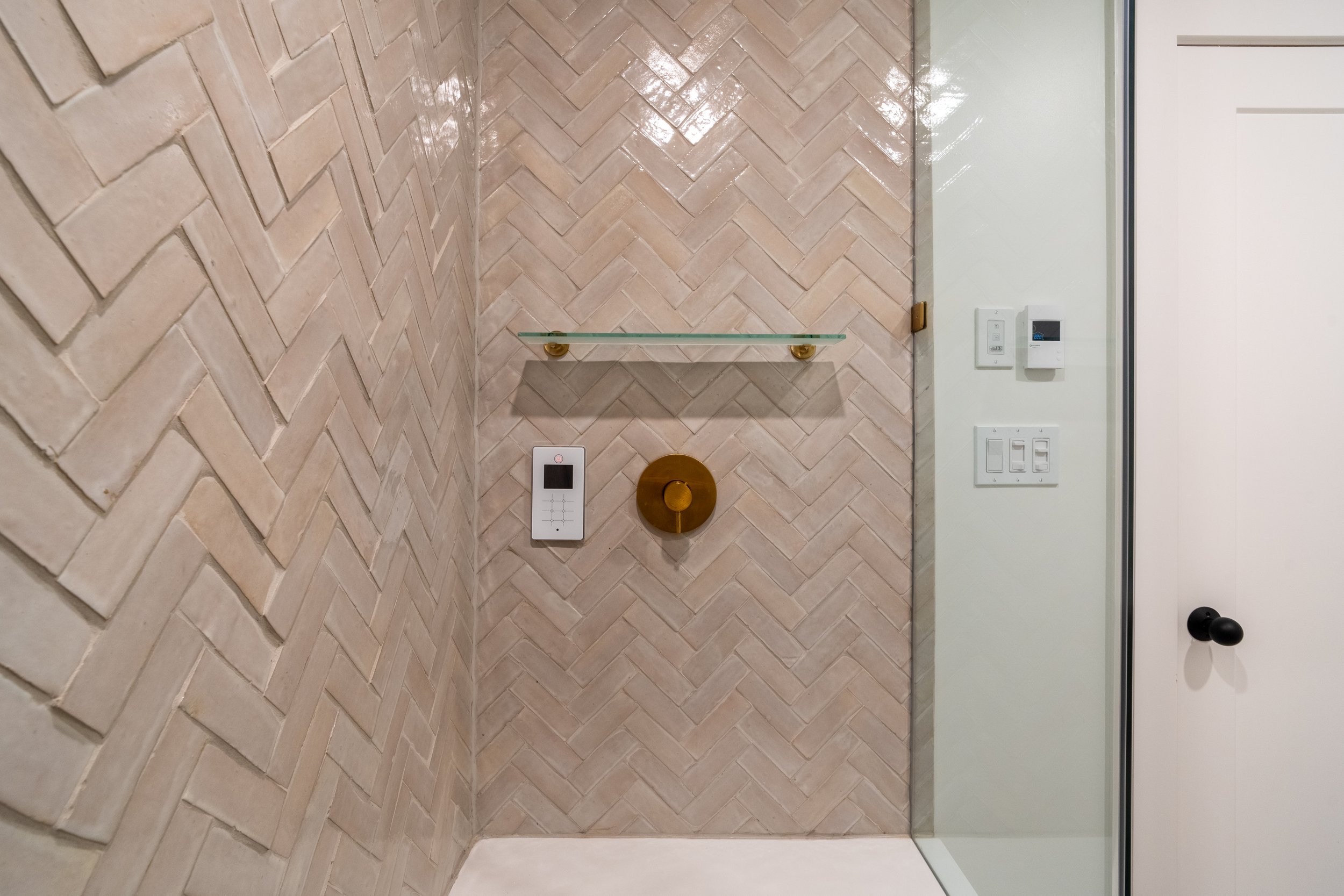
Bathrooms are an example of how technology plays into utility and understanding how to make the everyday just a little more luxurious and thoughtful.
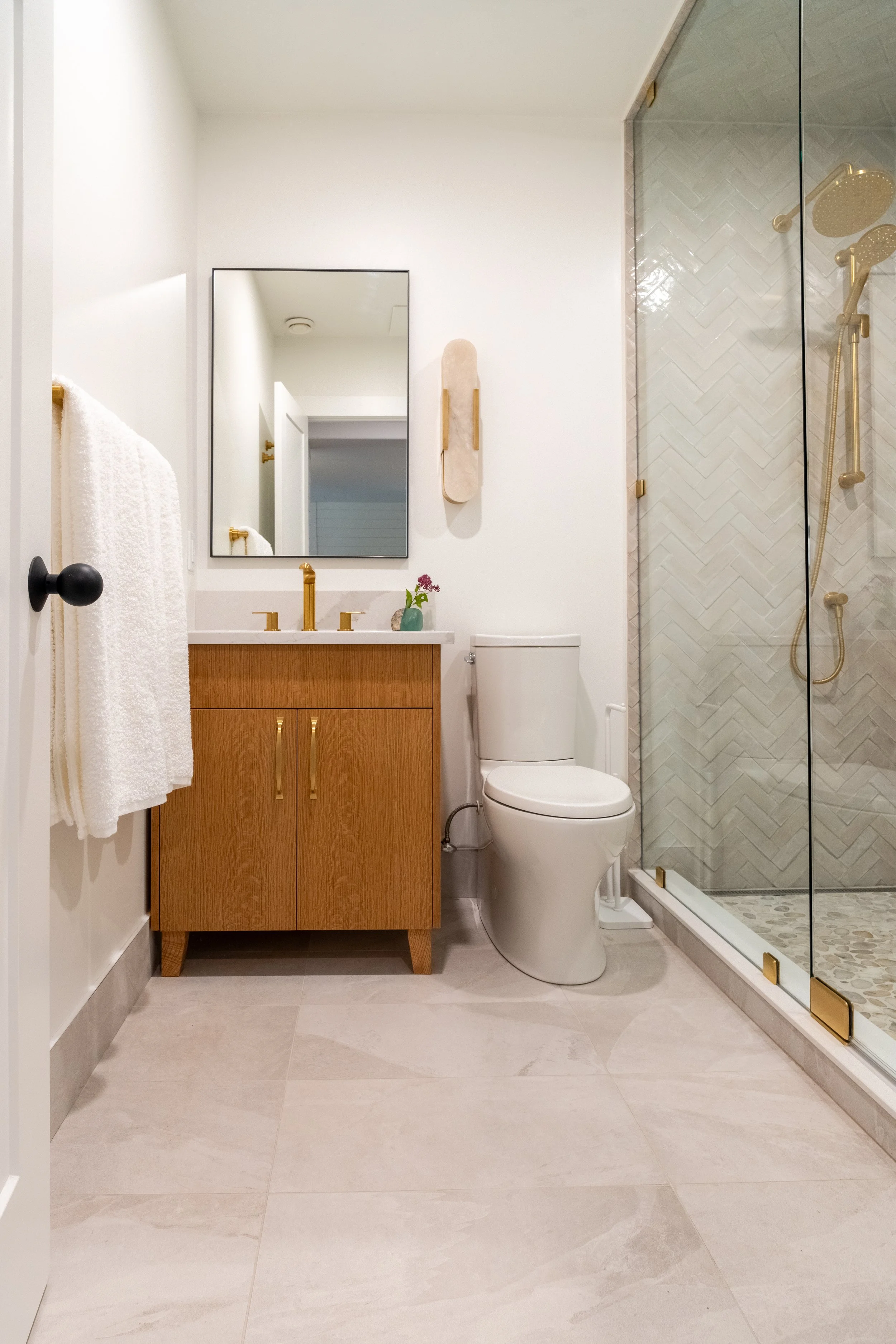
An interior designer isn't just designing a home—they're guiding a person through change.
Whether it's a renovation, a new cottage, or a forever home, clients are often letting go of the familiar and imagining a different way of living. My role as the designer is part strategist, part educator, part psychologist, and part creative partner.
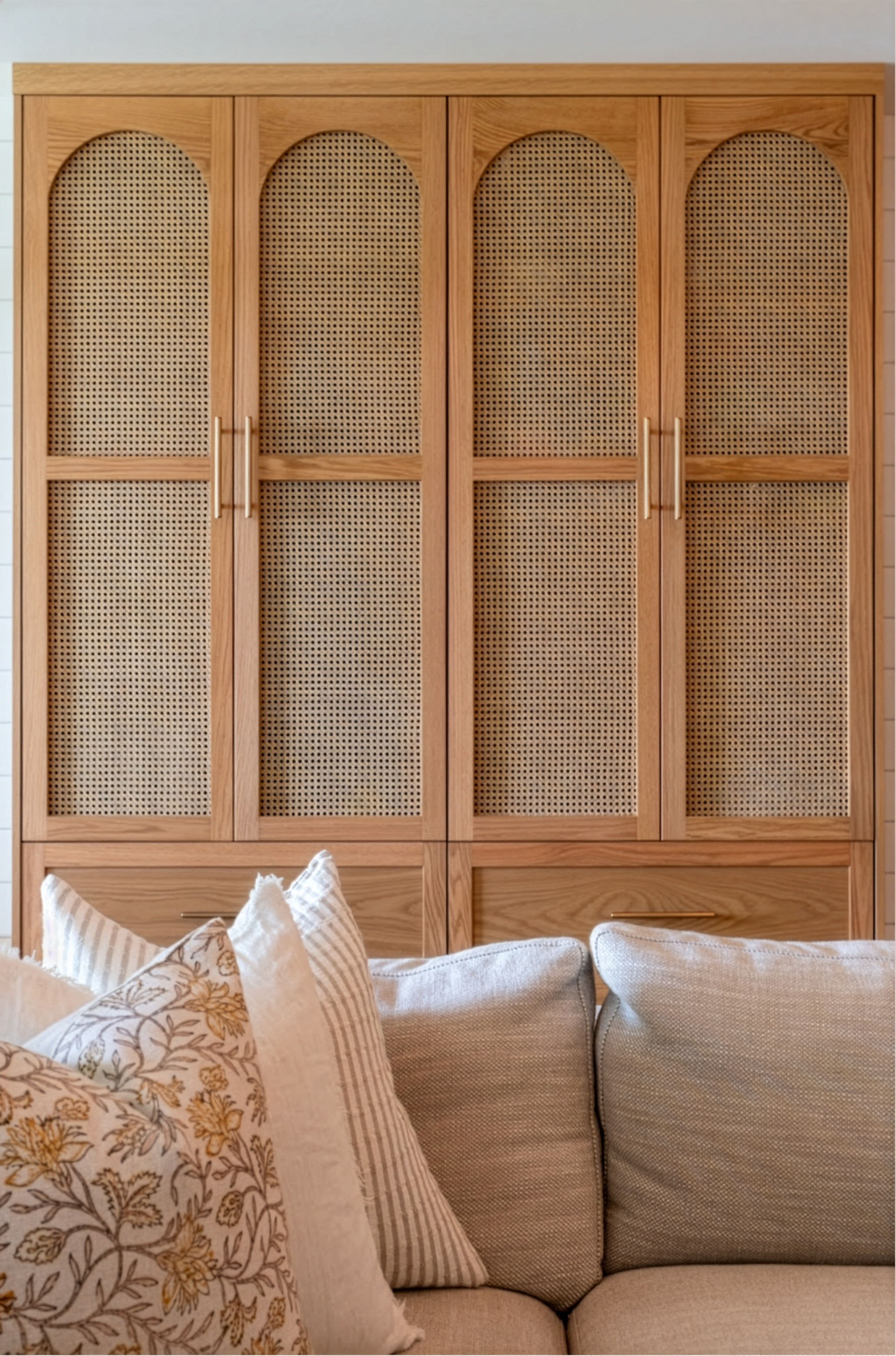
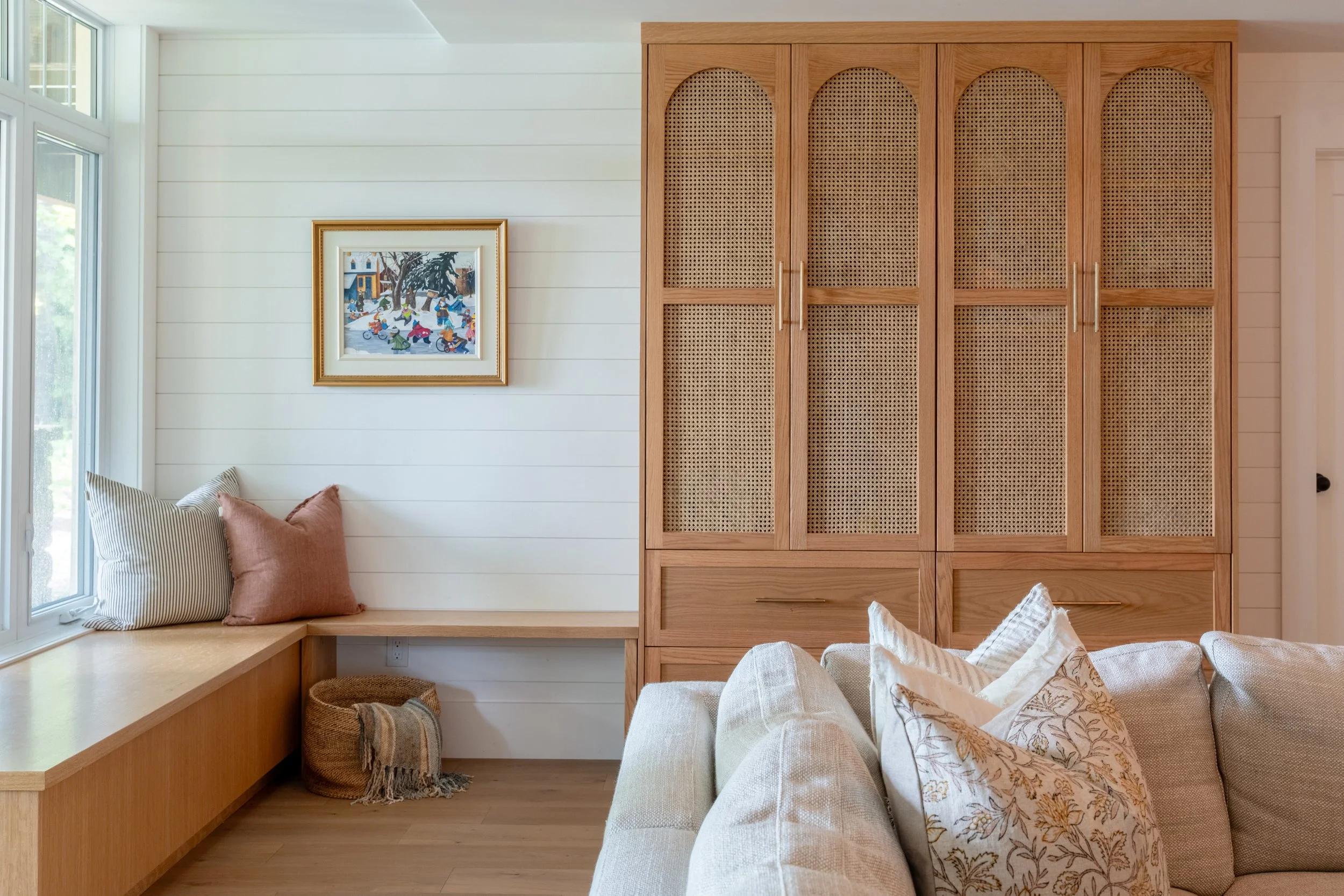
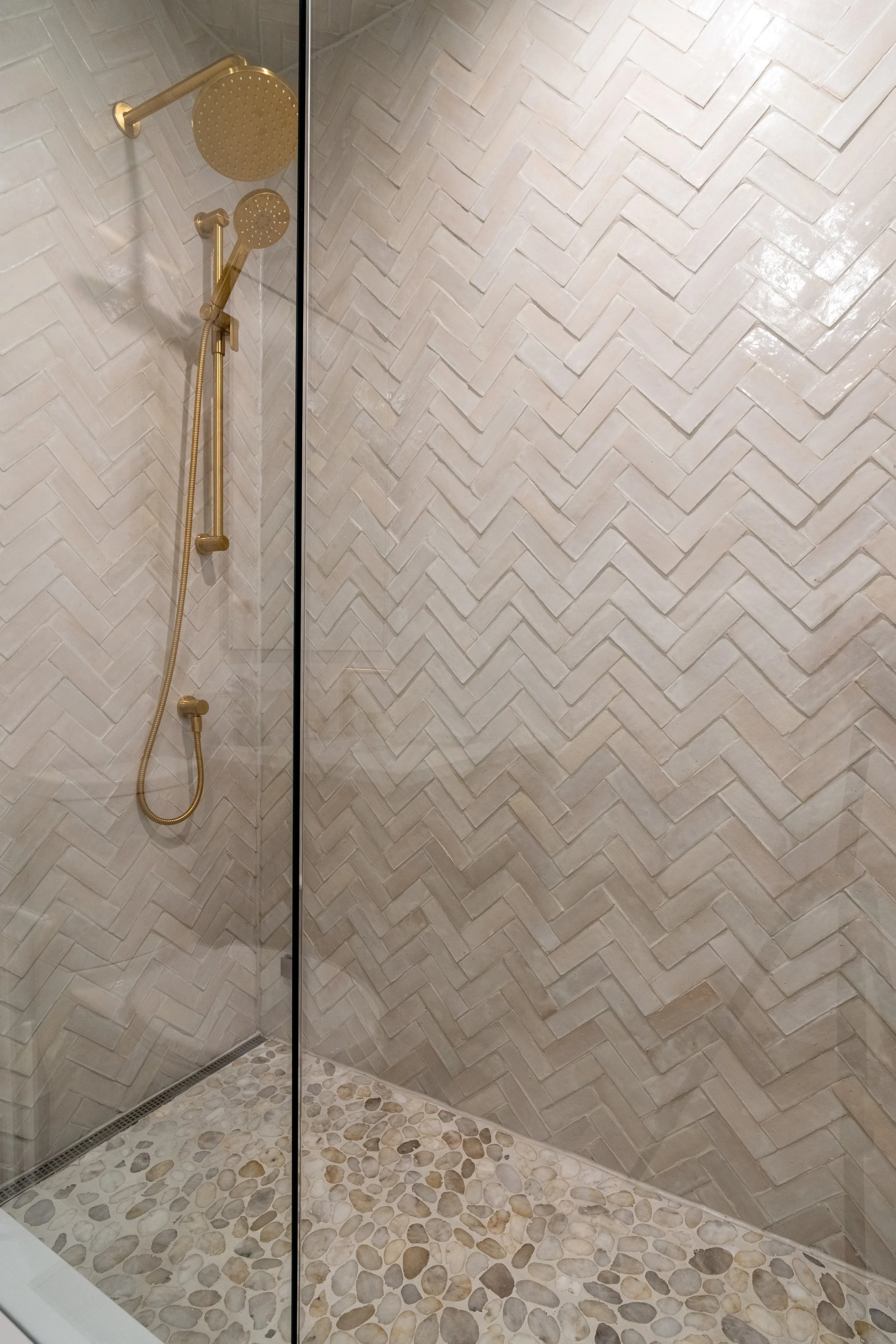
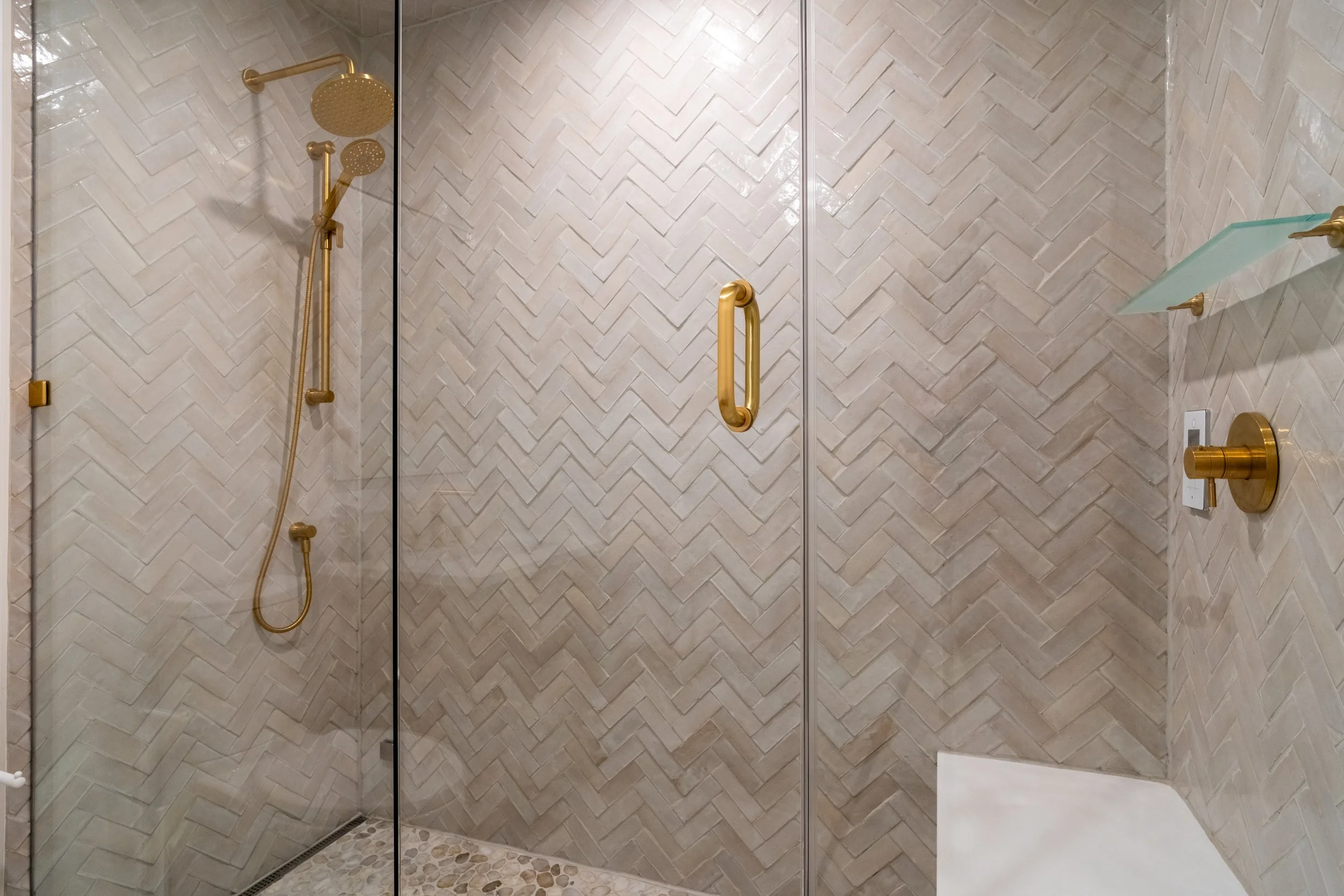
The way materials are used in custom designs are also the way a designer brings other ideas and ways to make your space personal into the mix.
So you can see this interesting perspective emerge, I’m not just writing about “here’s what an interior designer does.” The finished home or cottage becomes more than a collection of beautiful rooms. It becomes a reflection of a client who was willing to grow alongside the project, supported by someone who knew how to guide them there.
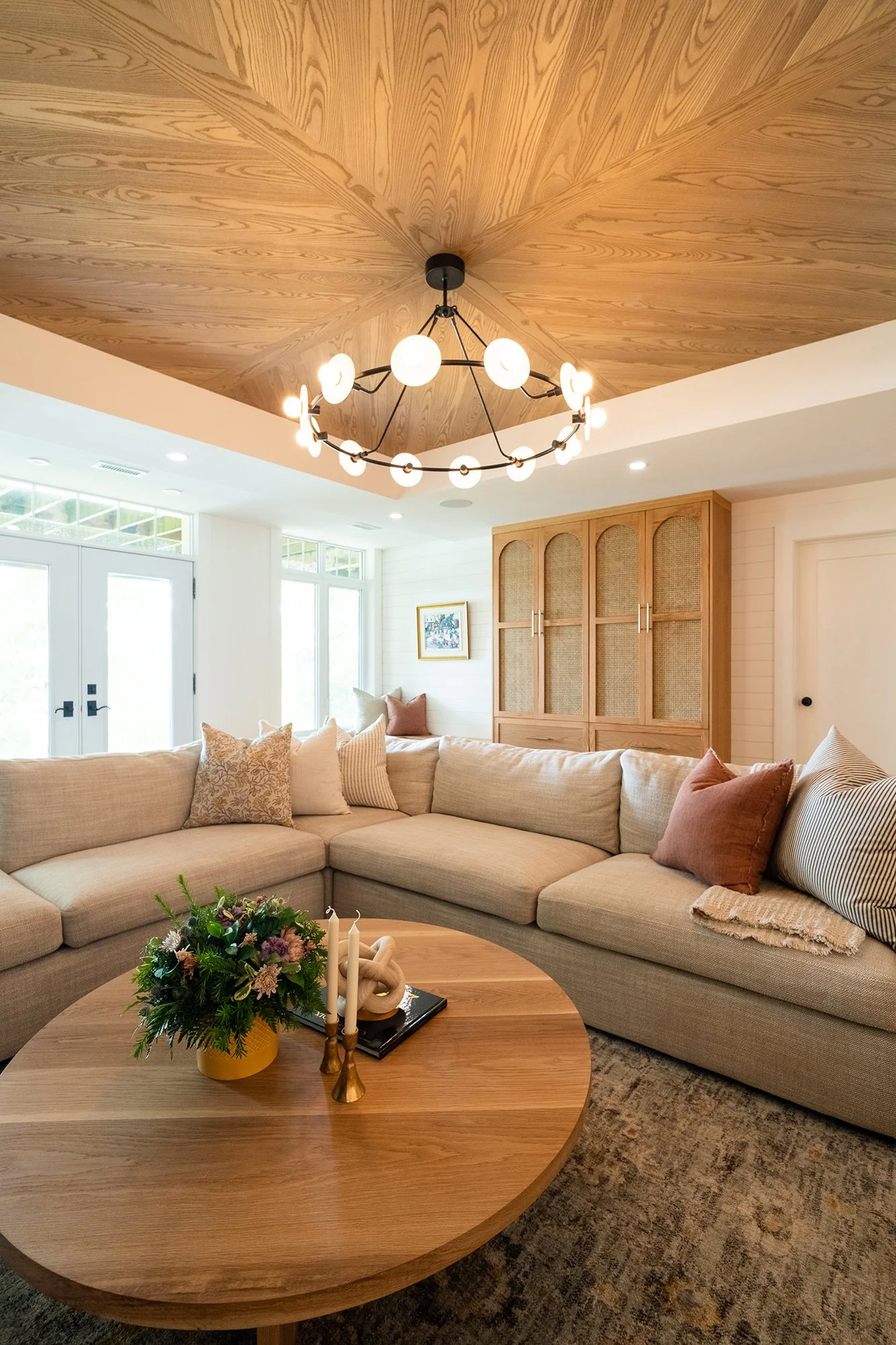
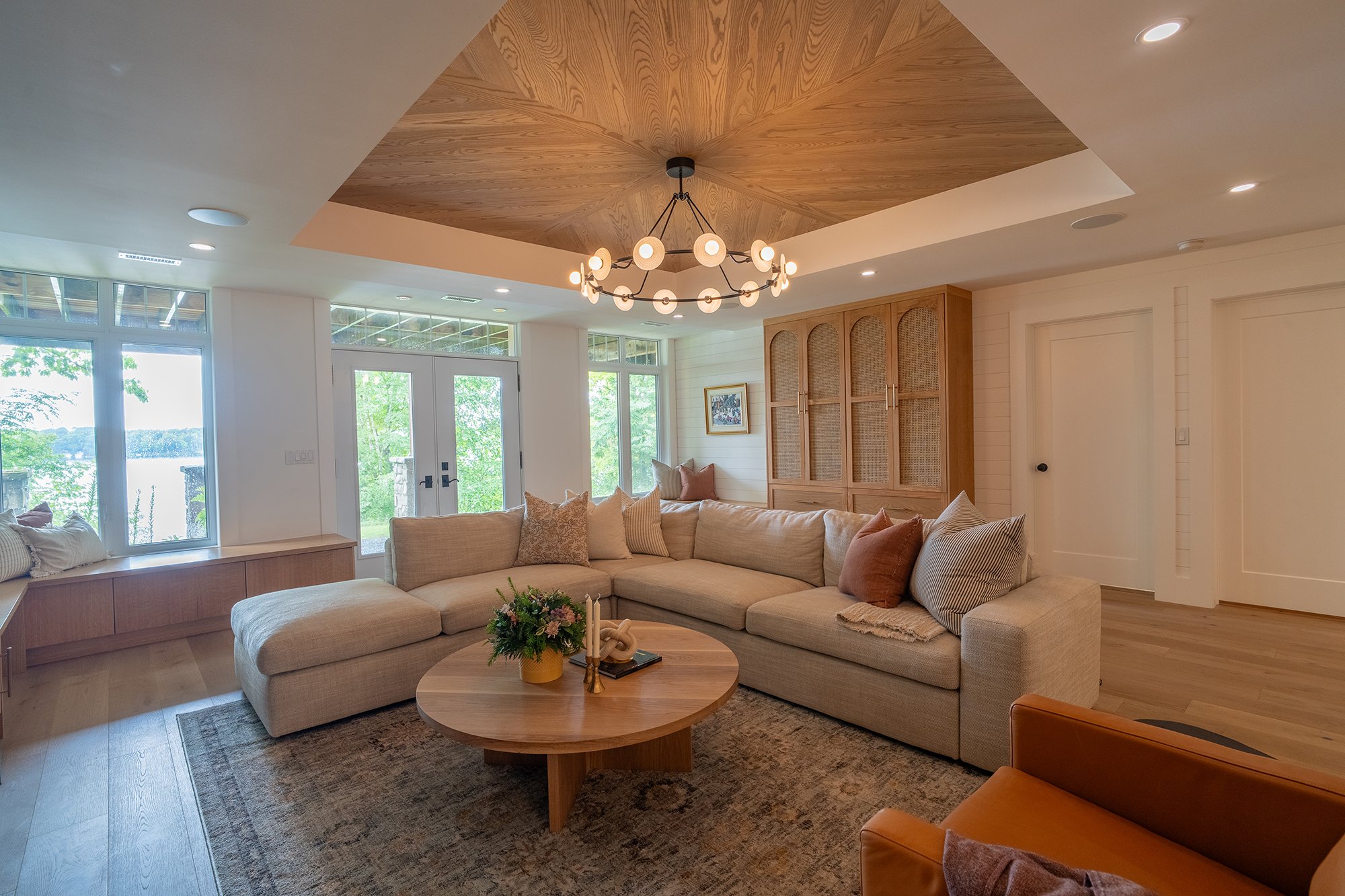
We call the ceiling the fifth wall, and it’s often overlooked when in fact it can lend big impact and interest when it comes to how an overall room presents itself.
Instead of always writing about design trends like paint colours and reveal photos, I tend to enjoy understanding people and writing about human behaviour and change. The home or cottage just happens to be the vehicle. I think as a designer, my voice is strongest when I move beyond design and start talking about people. I’m very intrigued with why people make decisions, and how design changes the way they live. If I’m telling a person’s story through design, I figure I better understand their lifestyle and the people under the roof.
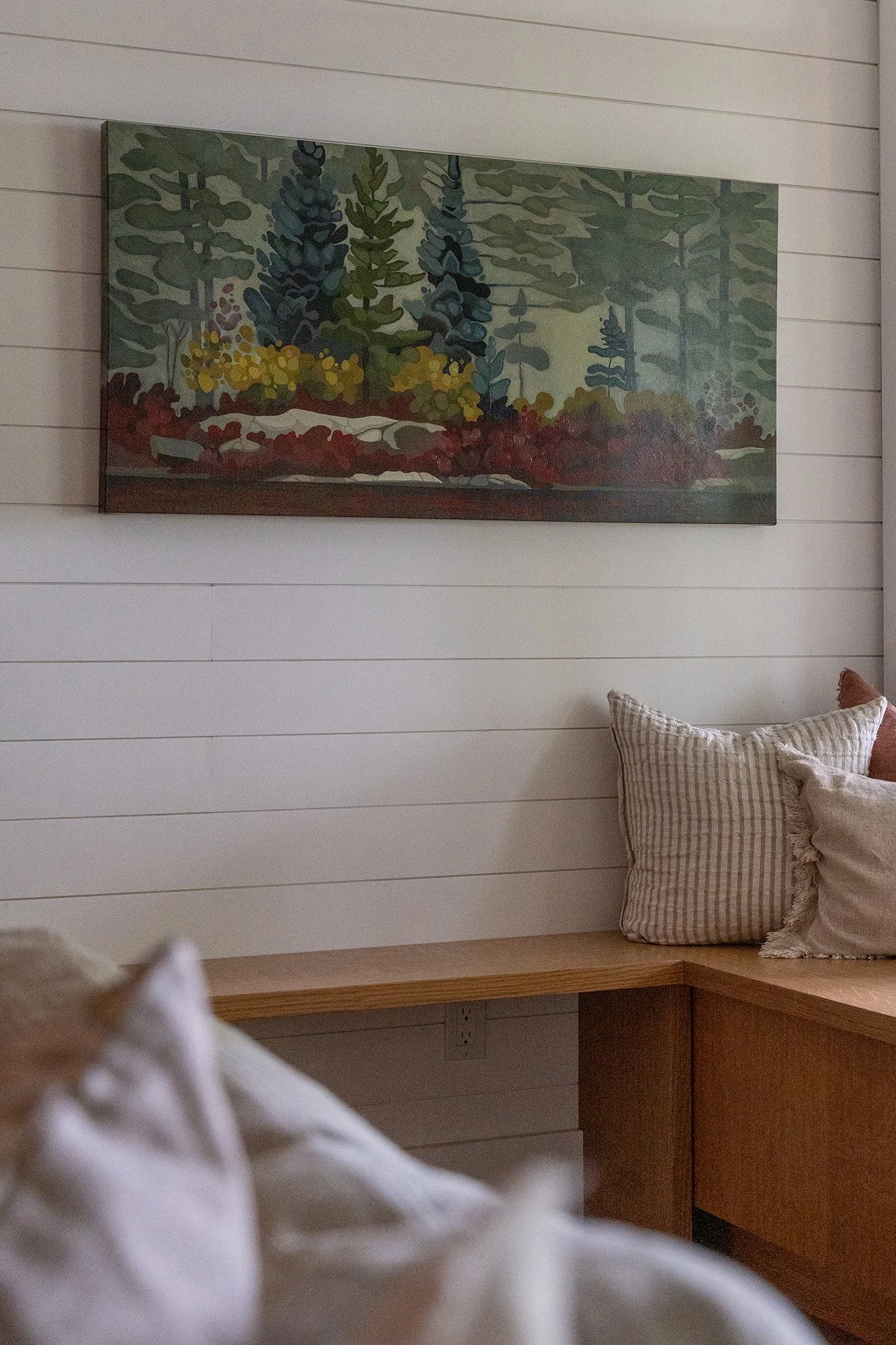
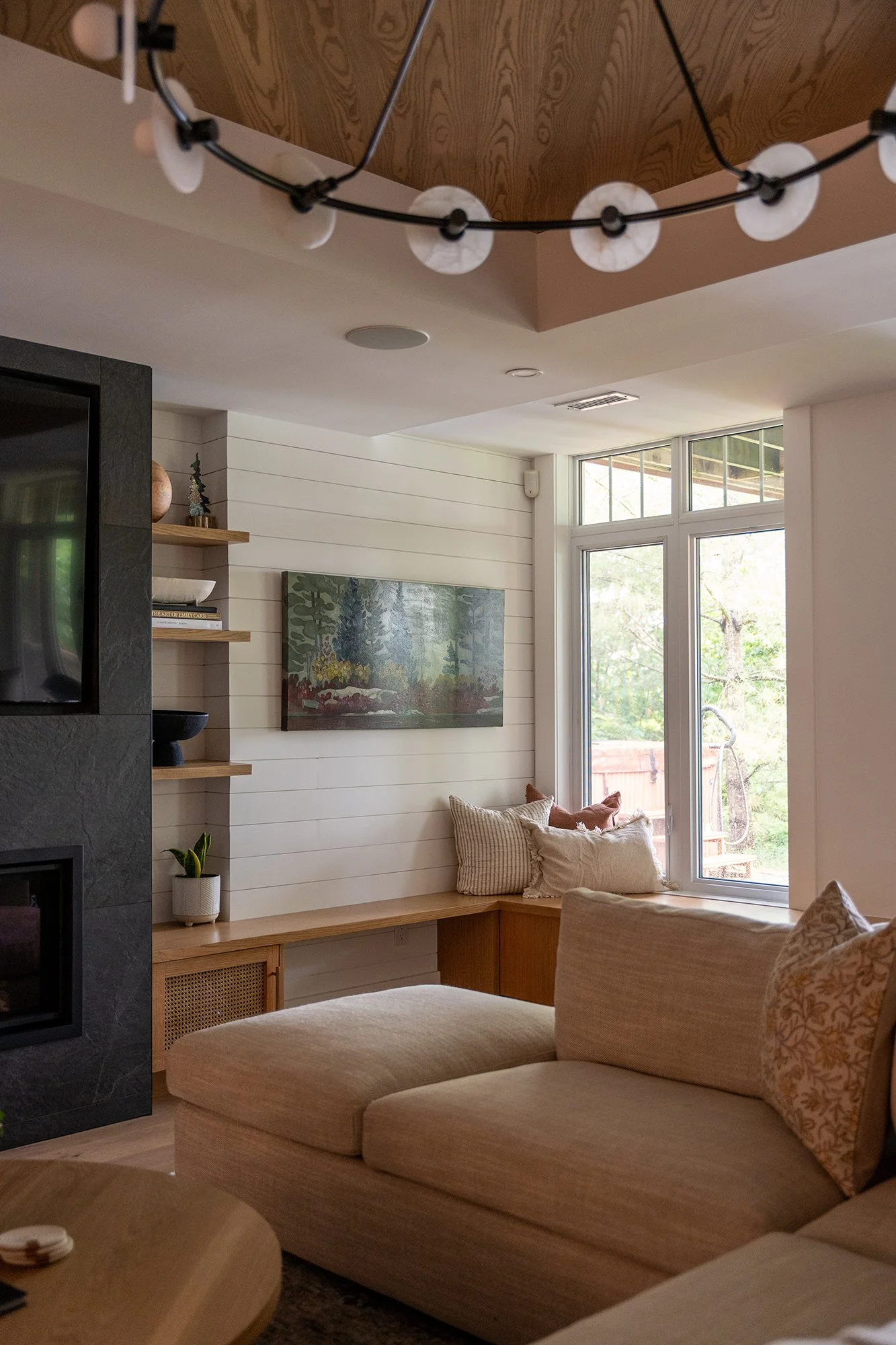
Art reminds me of how clients can benefit from being taken out of their everyday norm of thinking. Art helps everyone explore and wonder about how to accent a space with something they wouldn’t normally gravitate to.
Of course there is the part of choosing finishes, selecting products and coordinating trades, that all goes without saying. What I try to get at is understanding the edits that are happening even before the exploring! It’s difficult for all of us to get past the influence of what we’ve experienced before. It’s not about safe decisions necessarily, but more about which decisions support the vision.
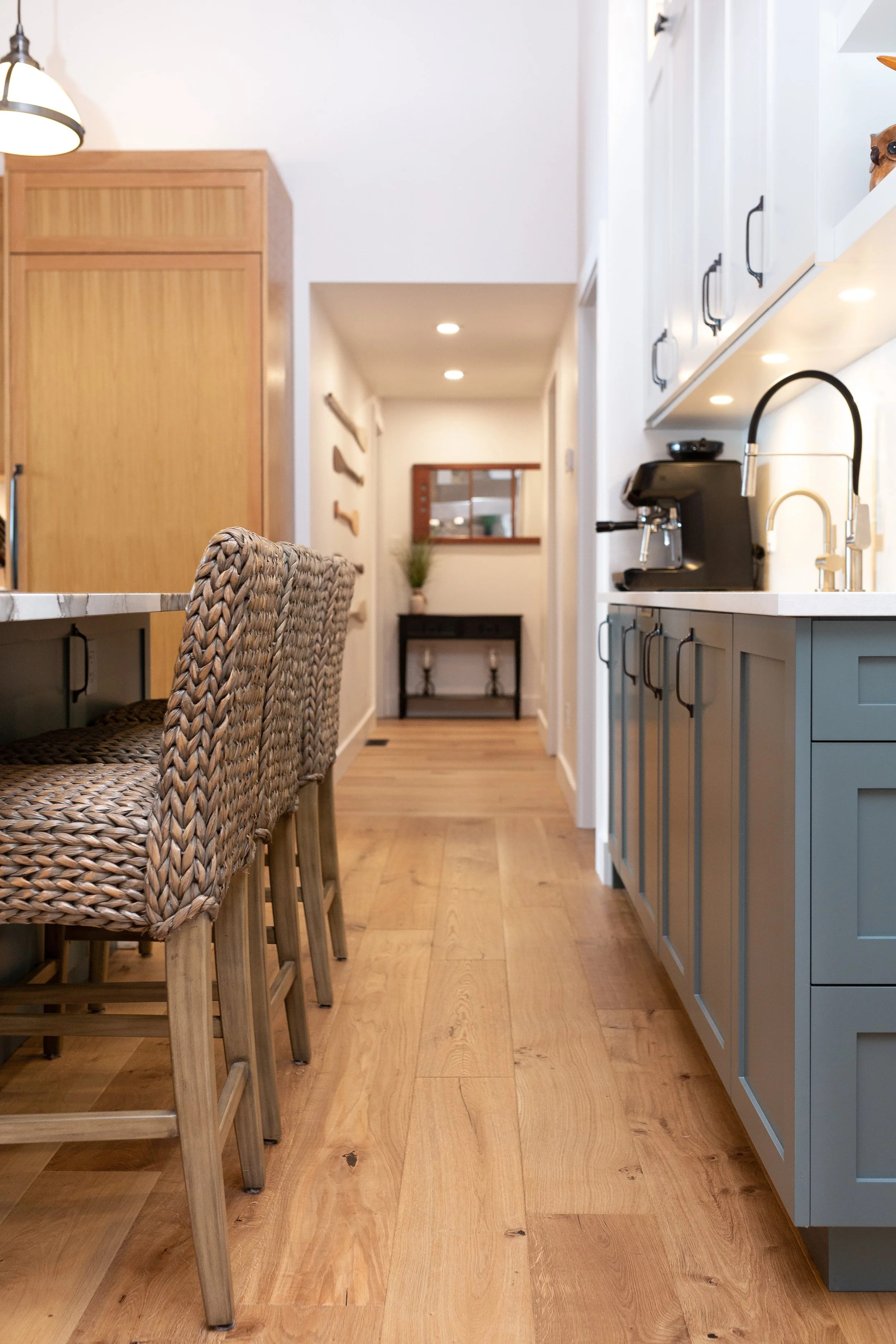
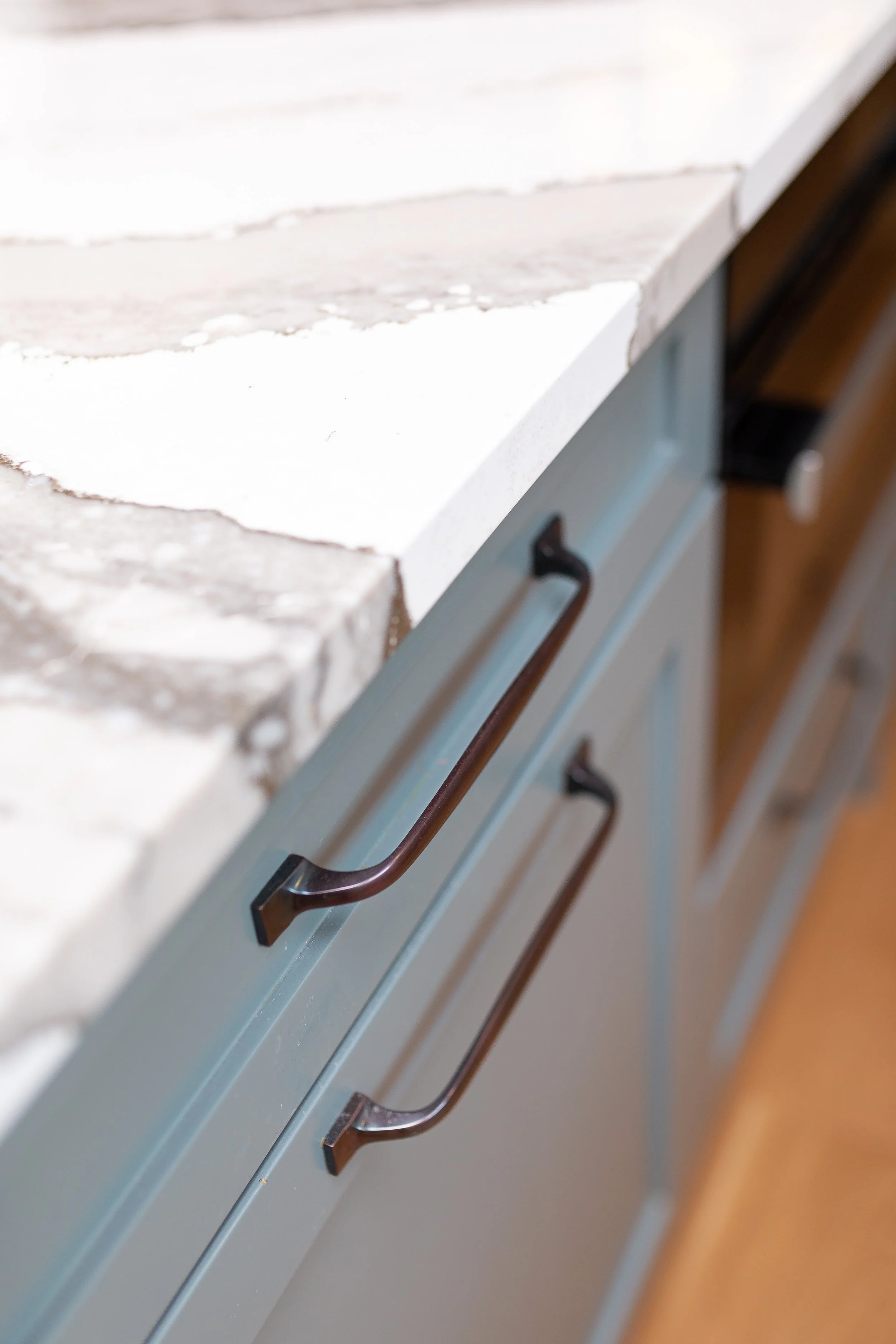
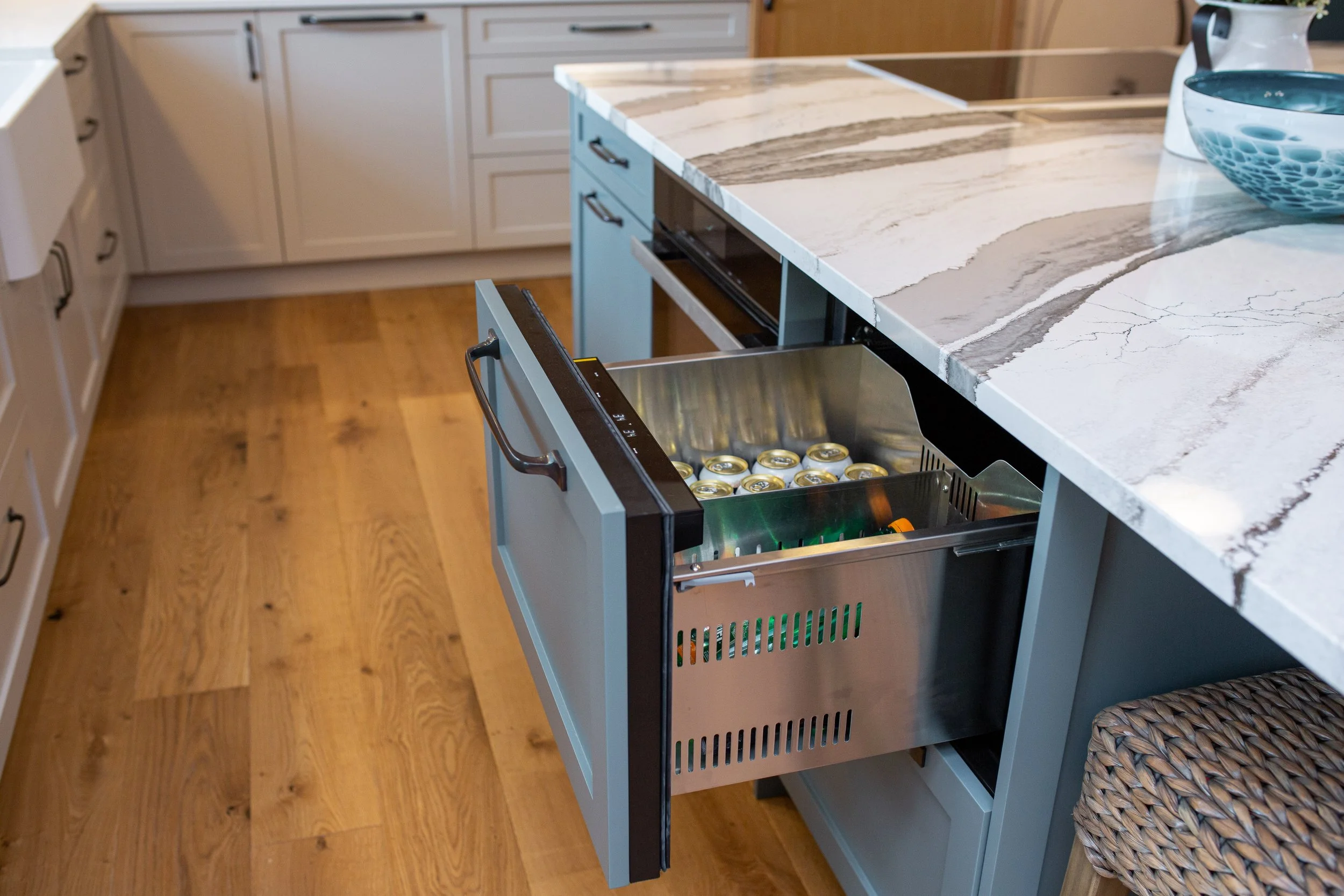
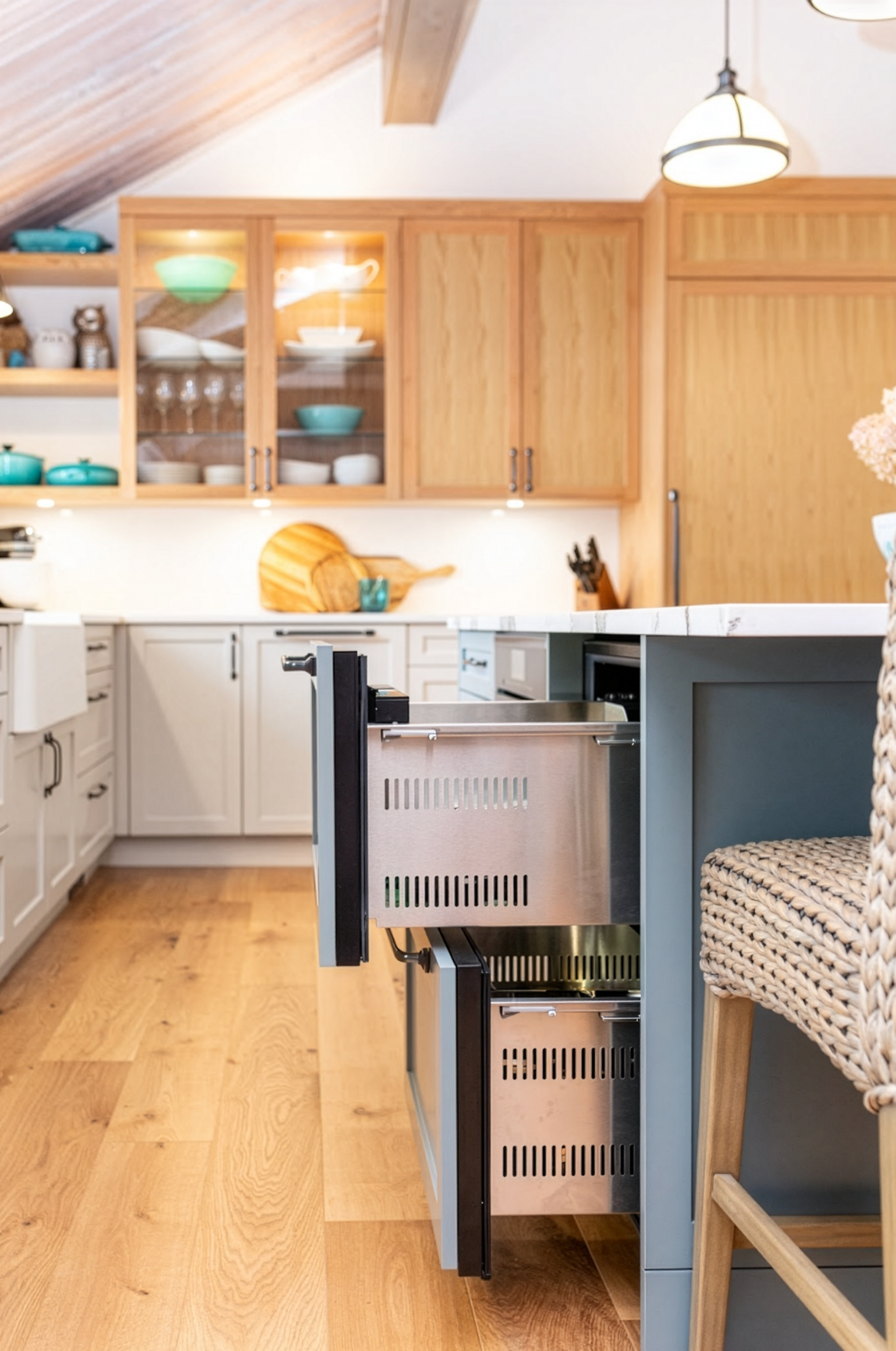
Hardware and texture are other ways I help clients envision new ways of making a kitchen feel complete.
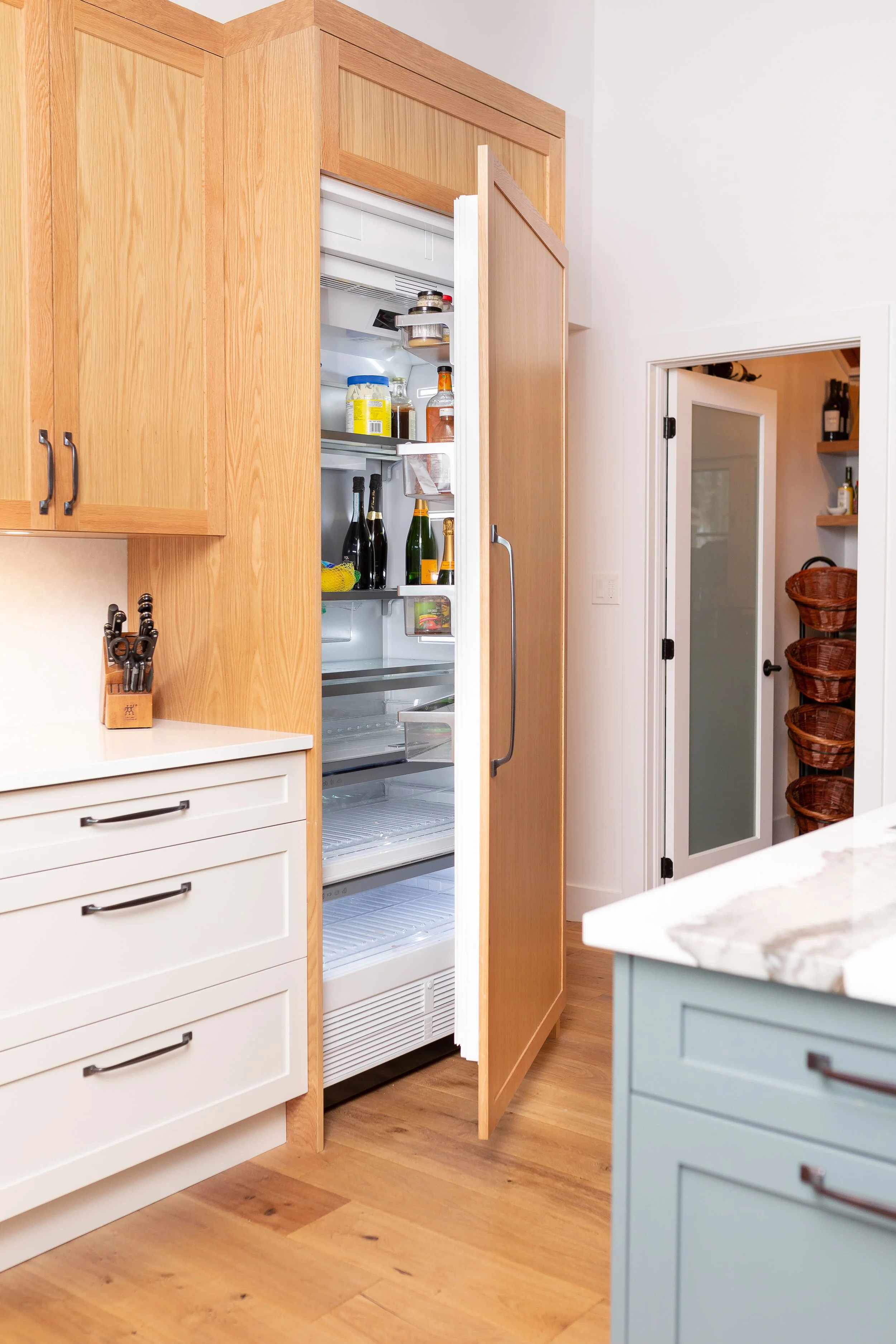
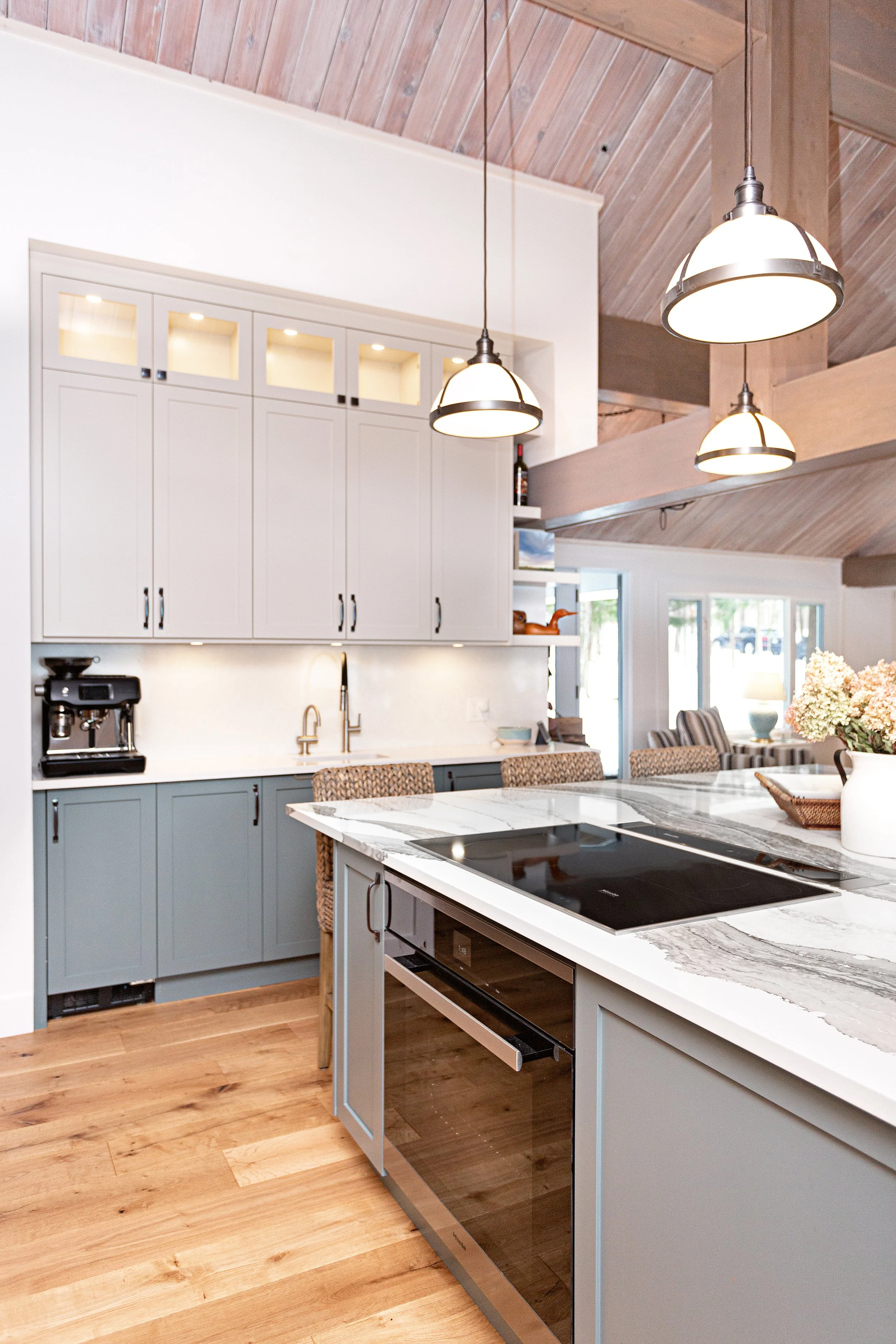
Making the most of space, storage and how it is used, are all ways to challenge our conventional thinking when it comes to design.
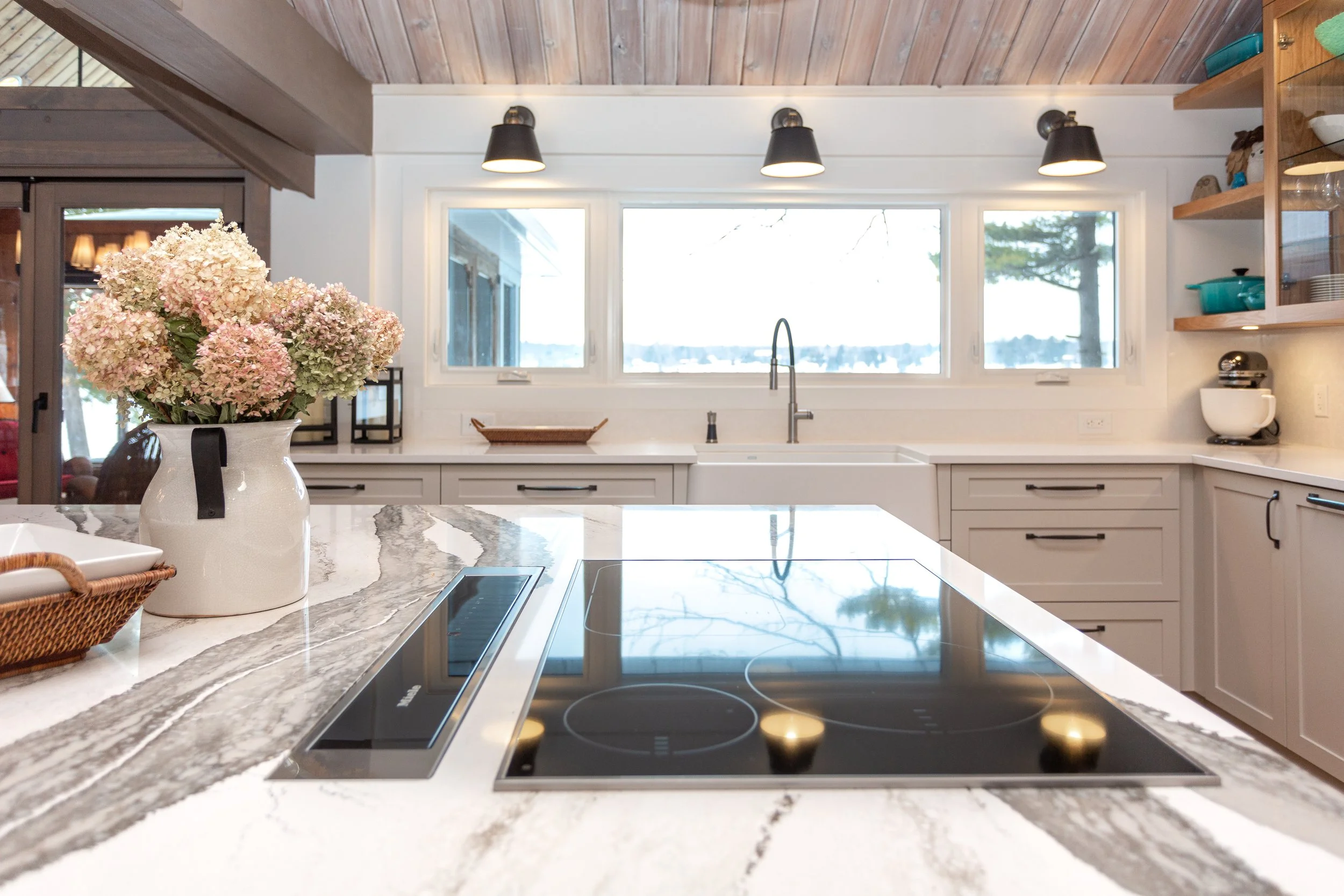
Making the most of a view is often the natural first step in a project design.
It’s not just about having someone to help pick a paint colour, it’s about having someone help with transformation. Talk about elevating the conversation from aesthetics to purpose! I’d like to get past the design advice and focus more on what the design says about the people who live in that space. I really want to own this positioning for the Home by Tim + Chris brand.
It’s exactly our tagline from day 1: Inspired by you, led by us!
Read our blog on The Psychology of Home for a similar read.
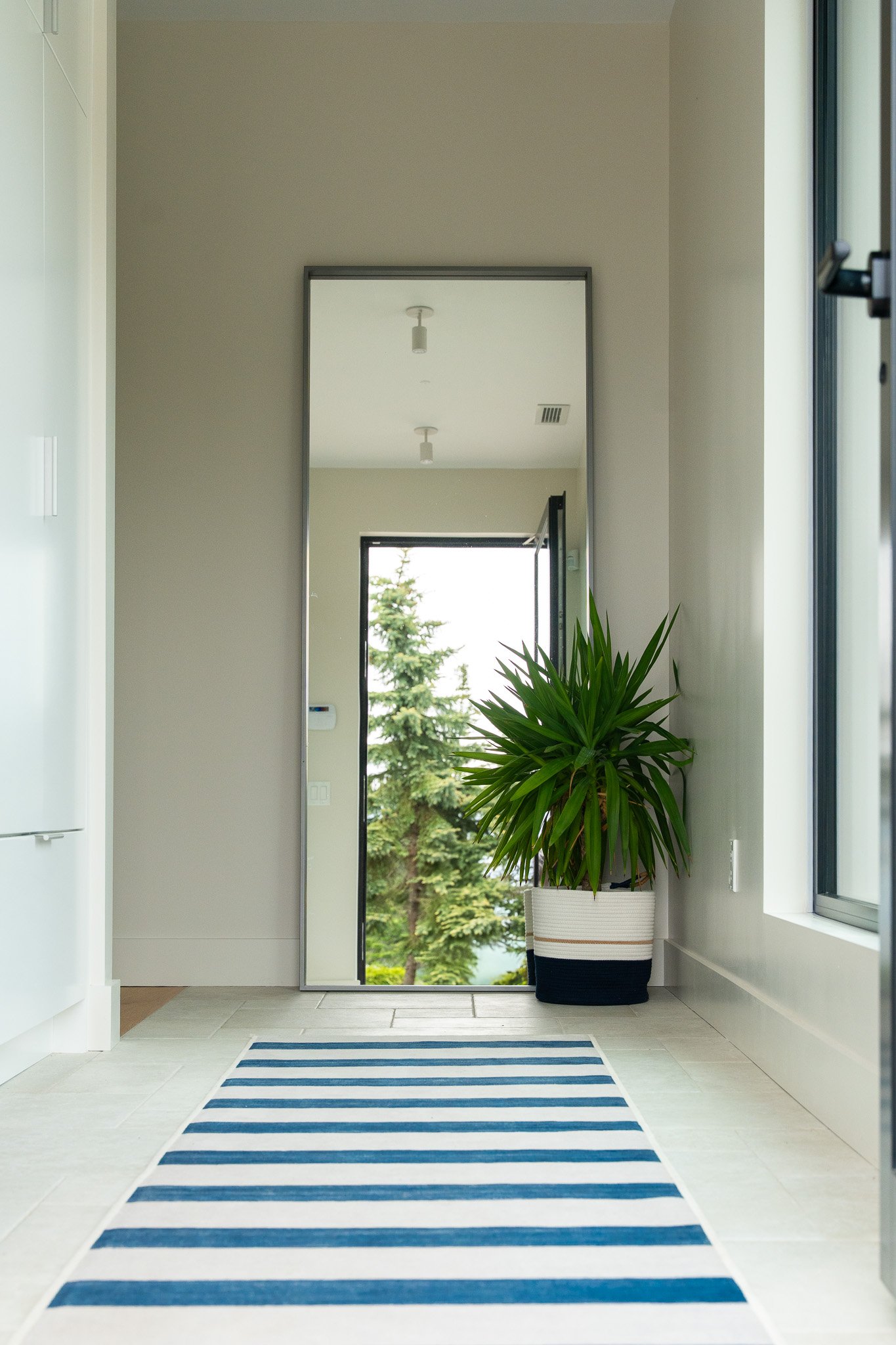
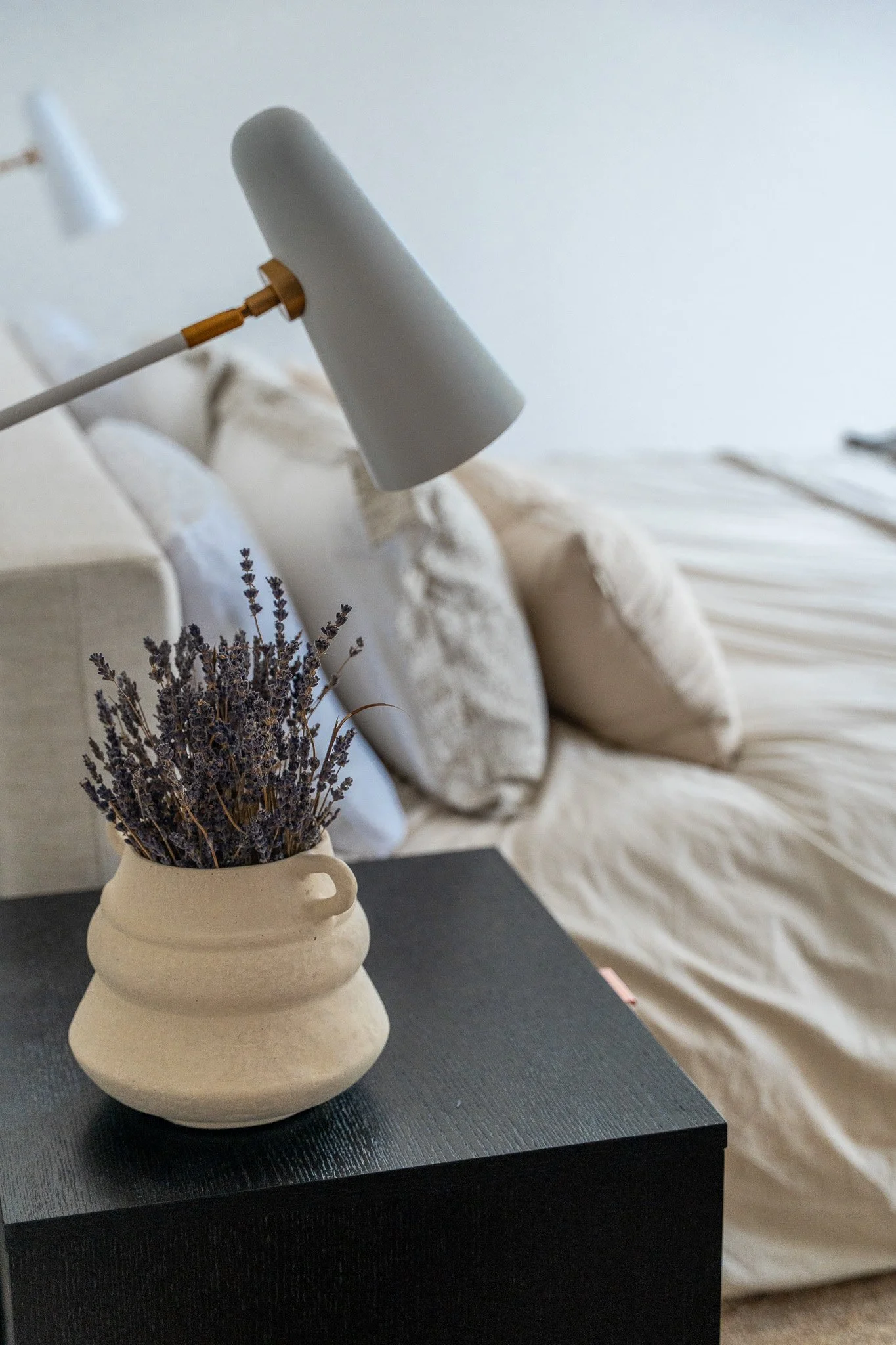
Creating easy to use spaces that don’t feel “decorated” is an important objective for understanding the role that psychology plays in your home or cottage design.
Living First Client Led Design is another great read along the same lines as this post.
Learn more about our architectural design and other services.
See our latest Project Portfolio full of architectural and interior design imagery.Sign up on our website for our monthly eNewsletter Lakeside Notes featuring all things art, culture and design. Stay current on what’s new in the design world, projects we are working on, the Grove Theatre, events and art exhibitions.
Tim + Chris