

Frequently Asked Questions
We Hear as Designers
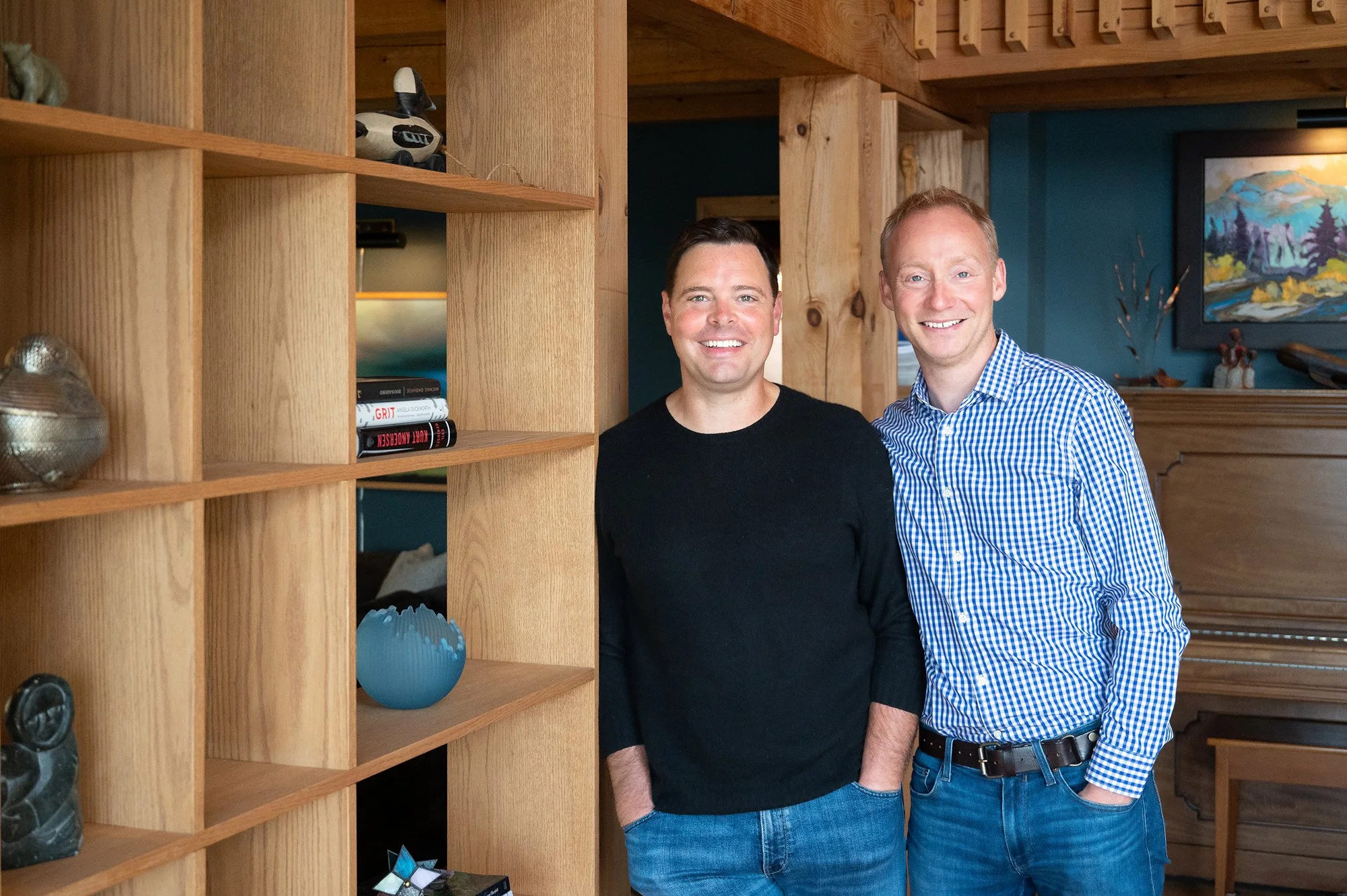
Home by Tim+Chris
We understand that architectural and interior design isn’t something most people think about every day but it’s what we live and breathe. We know you will have questions about the process, timelines, investment, and what it’s like to work together.
To help you feel informed and confident, we’ve gathered answers to some of the most common questions we receive. We hope to bring clarity, spark ideas, and guide you as you explore what it might look like to work with us!
How do I get started with a project?
Every beautiful space begins with a conversation. Getting started with an interior design project is simple. You can reach out and complete the “Tell Us About Your Project” form on our website. This gives us an initial glimpse into your vision, your lifestyle, and the scope of what you’re hoping to create. From there, we connect personally, either in our Fenelon Falls studio or at your home or cottage. At that time we will explore your ideas in greater detail. It’s the first step in a thoughtful, collaborative process designed to turn your aspirations into a space that feels distinctly and beautifully yours.
We have many helpful blog posts and articles on our website that can help provide more information:
https://www.homebytc.ca/space/beginners-blueprint-for-home-by-tim-chris
https://www.homebytc.ca/space/a-priceless-partnership-working-with-an-interior-designer
https://www.homebytc.ca/space/influenced-by-you-our-design-process-story
What is the difference between architectural design and interior design?
Architectural design and interior design are closely connected, but they focus on different layers of a space.
Architectural design is about the structure itself. It considers the building’s form, layout, structural systems, exterior appearance, spatial flow, and how the building sits on the site. Architects think about walls, rooflines, windows, ceiling heights, load-bearing elements, building codes, and how people move through a space at a foundational level. It’s the framework or as we call it: the bones of the home or cottage.
Interior design, on the other hand, focuses on how the space feels, functions, and looks once that framework exists. It addresses finishes, materials, cabinetry, lighting, furniture layouts, textiles, color palettes, and the details that make a space livable and personal. Interior design shapes the atmosphere and experience within the architecture.
In simple terms:
Architecture creates the structure and spatial plan. Interior design refines, enhances, and brings that structure to life in a way that reflects your lifestyle. The most successful projects happen when architectural design and interior design work together seamlessly. It’s important for the bones and the beauty to be conceived as one cohesive vision.
What services do you offer?
At Home by Tim + Chris we offer many types of services spanning architectural design through to interior design. This page on our website outlines our various services:
https://www.homebytc.ca/home#services
This page is a handy reference on how we work with our preferred builder partner:
https://www.homebytc.ca/fourpoints
Upholstery and reupholstery is another common service that we offer out of our Fenelon studio. You can either bring your piece to us or we will come to your home or cottage and estimate your piece:
https://www.roombytc.ca/upholstery
This is a helpful blog on our Room Refresh service which may be something you require around holiday time or when needing to freshen up certain rooms within your home or cottage:
https://www.homebytc.ca/space/room-refresh-driven-by-us-influenced-by-you
Out Studio TC provides specialized millwork services:
https://www.homebytc.ca/space/studio-tc-where-every-product-tells-a-story
More helpful overviews on our services and how to work with us:
https://www.homebytc.ca/space/the-who-how-and-what
How do I figure out what my style and vision are for my project?
An interior designer helps you uncover and articulate your style in a way that feels natural and authentic, not forced or trend-driven. Many clients know what they like, but struggle to define it or bring it together cohesively. Through thoughtful questions, curated imagery, material samples, and guided conversations, a designer identifies patterns in your preferences, lifestyle, and aspirations. They translate scattered ideas into a clear vision where we can then work at refining color palettes, textures, furnishings, and spatial flow so everything works in harmony. The result isn’t our look imposed on your home or cottage; instead, it’s a well-defined expression of your taste, elevated with professional insight and intention.
Mood boards are a great way to get started. Here are some examples we did in studio on a team building day:
https://www.homebytc.ca/space/the-day-we-brought-our-moods-to-work
Taking into consideration how your home or cottage has to work across all seasons is important. Our blog post on the topic helps convey some key considerations:
https://www.homebytc.ca/space/designing-a-home-or-cottage-for-all-seasons
Client led design is our philosophy, in this post, Chris explains more about how he approaches the process with clients:
https://www.homebytc.ca/space/living-first-client-led-design
How do you manage contractors, builders and trades?
We, as designers act as the central coordinator between you, your builder, and the various tradespeople, ensuring that every detail of your project stays on track. By creating workback schedules, milestone timelines, and detailed project plans, we organize the sequence of tasks, coordinate deliveries, and anticipate potential challenges before they arise. We track progress against the schedule, monitor budgets, and make adjustments as needed to keep the project moving smoothly. This oversight ensures that contractors, artisans, and suppliers are aligned, deadlines are met, and the vision comes to life efficiently. At the same time, we work to adhere to your budget investment and because we have all services under one roof, we minimize the stress that comes with design projects.
We also have QR codes on site for trades people to refer to so that your plans, permits and drawings are all easily accessed anytime. We also have a binder system that allows the client a copy of all key milestones and next steps. The same binder system is shared with the builder, trades and any other integral role that your project may require.
More on how we work with our preferred builder partner:
https://www.homebytc.ca/fourpoints
What makes Home by Tim + Chris unique?
At Home by Tim + Chris, we believe in client-led design. That is truly the approach that sets us apart from other designers because it flips the traditional process: instead of imposing our own style on our clients, we instead listen, observe, and then we lets you guide the vision. When a designer truly follows the client’s preferences, lifestyle, and personality, the result is a space that feels authentic and deeply personal. The end result is not a pre-packaged look or a signature style applied indiscriminately. This approach makes the designer one of a kind, because their work is defined not by trends or their own tastes, but by the unique character of each client. Every detail, from finishes to furniture placement, reflects you, creating a home that’s not just beautiful, but truly yours. It’s this collaborative process that transforms design from a service into an experience, and the outcome into a reflection of the client’s identity.
More on how we practice client led design:
https://www.homebytc.ca/space/living-first-client-led-design
Slow design is a concept that we also believe plays a role in successful design outcomes:
https://www.homebytc.ca/space/slow-design-and-other-musings
https://www.homebytc.ca/space/slow-design-the-intentional-home
How we ended up where we are and more about the process of working with our clients:
https://www.homebytc.ca/space/the-who-how-and-what
How do you keep track of your hours and how does the billing work?
At Home by Tim + Chris, we track hours carefully to ensure transparency and accurate billing. We use a combination of project management software, time-tracking tools, and detailed spreadsheets to log the time spent on client calls, meetings, design research, drafting plans, sourcing materials, and coordinating with contractors. Each task is typically assigned to a specific project or phase, so the hours can be tied directly to the work being delivered.
When it comes to billing, depending on your project, we may charge hourly rates, flat fees, or a combination of both. The tracked hours are compiled into an invoice, often with a clear breakdown of tasks, dates, and any reimbursable expenses like travel, materials, or special consultations. This method ensures you understand exactly what you are paying for, keeps the project budget transparent, and helps our team manage time efficiently across multiple projects. Clear documentation also makes it easier to adjust scope or provide estimates for additional work if the project evolves.