Therapeutic design is the intentional shaping of spaces to support emotional wellbeing, physical health, and overall quality of life. It recognizes that our environments are not neutral. Our environments actively influence how we think, feel, rest, work, and connect with others. The layout of a room, the amount of natural light, the textures we touch, the colors that surround us, and even the level of noise in a space all have measurable effects on stress levels, focus, sleep, and mood.
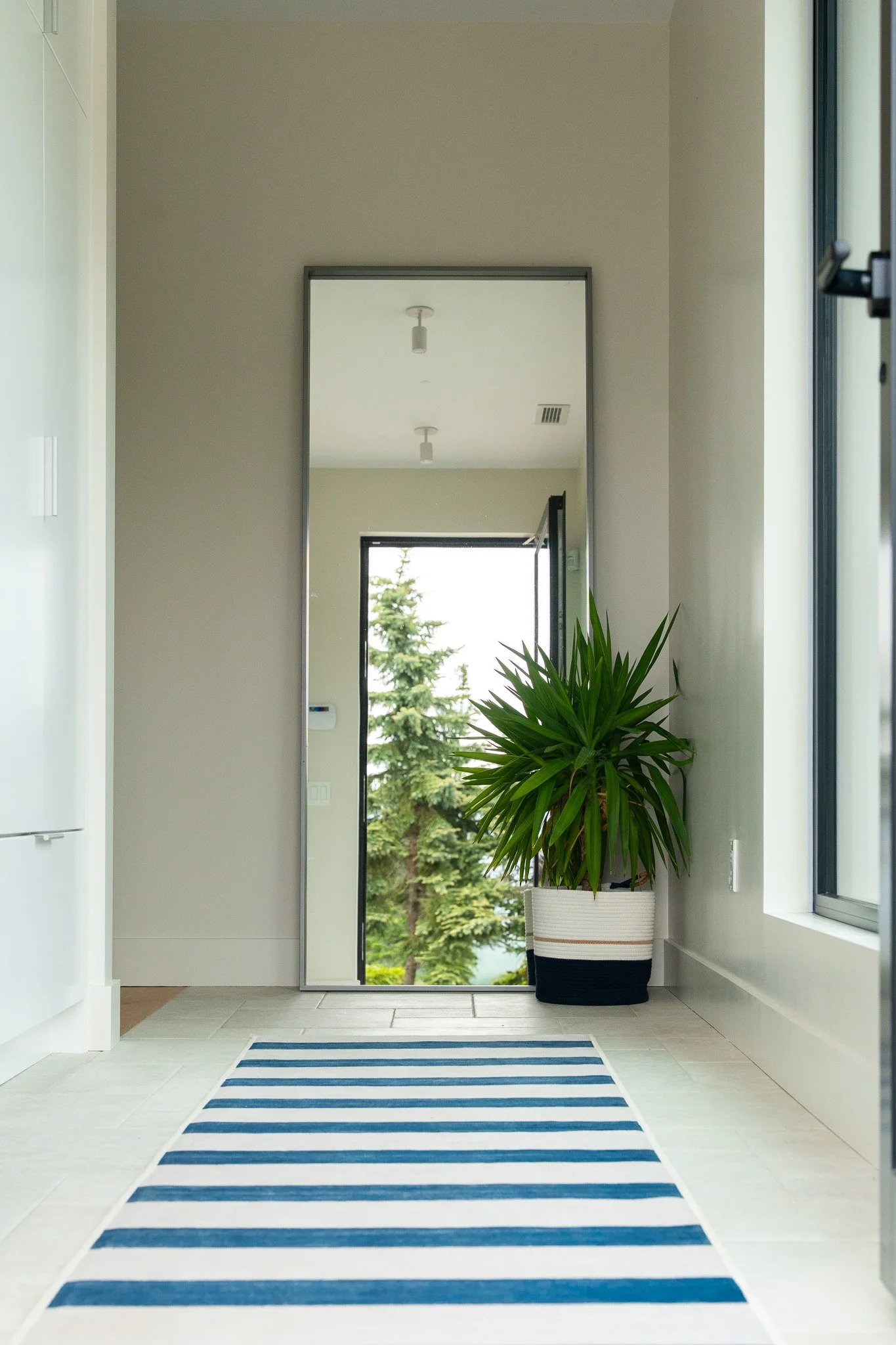
This view at the front door of our Balsam Lake project greets visitors with a reflection back out to the cedars that surround the property and grace the shoreline.
Intentional, Adapted and Layered
Design affects your mental wellbeing through elements like light, color, order, and connection to nature. Natural light can improve mood and regulate circadian rhythms. Calming color palettes can reduce anxiety, while overly cluttered or chaotic spaces can heighten stress. Spaces that feel intentional and organized create a sense of control and calm. At Home by Tim + Chris we approach each project with an intentional, adapted and layered plan. From views to light to layout, we look at the entire home eco-system to understand form and functionality and how that plays into the psychology of your home or cottage. Incorporating natural materials, plants, and views outdoors, often referred to as biophilic design, can lower cortisol levels and enhance cognitive function.
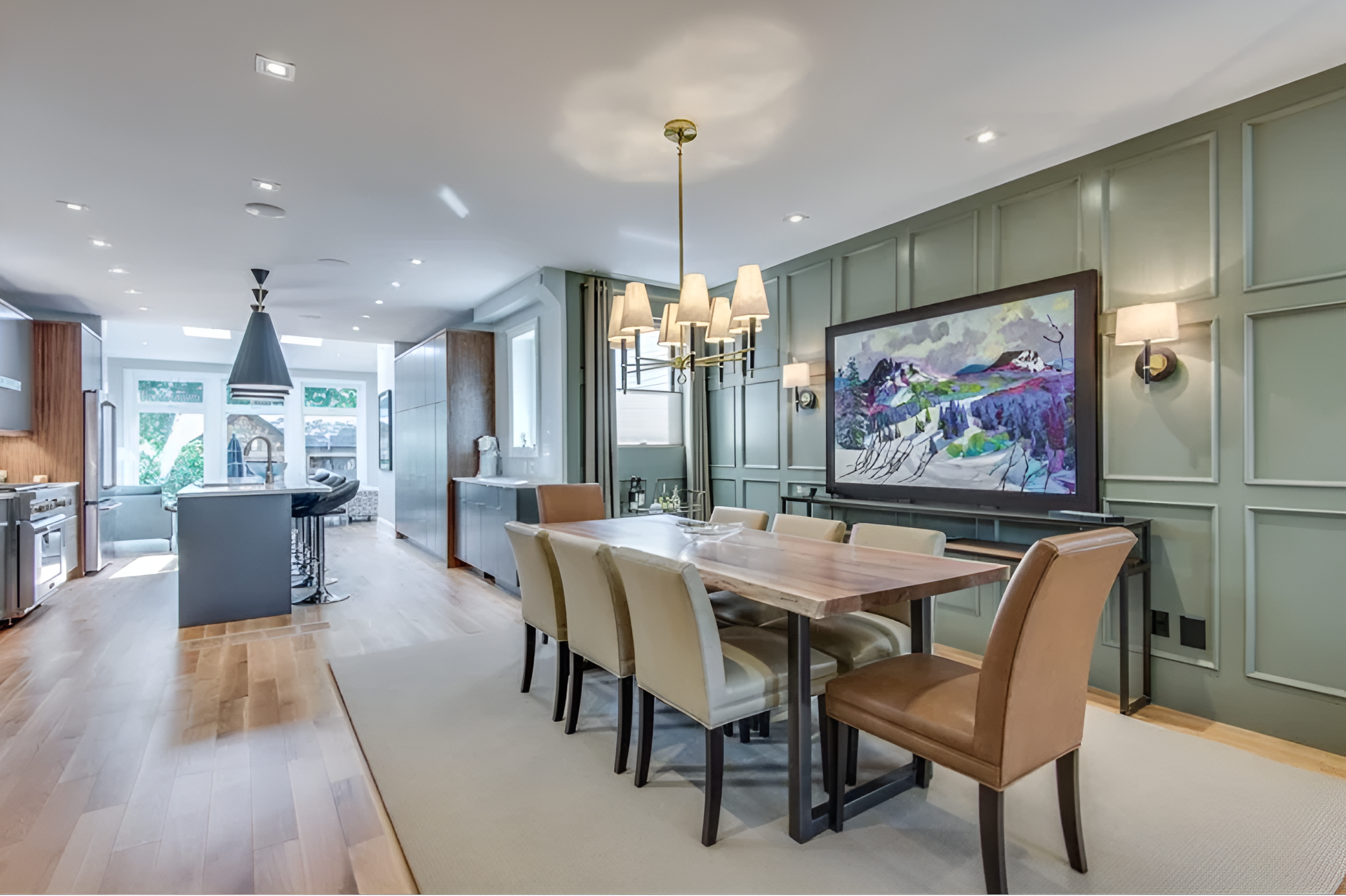
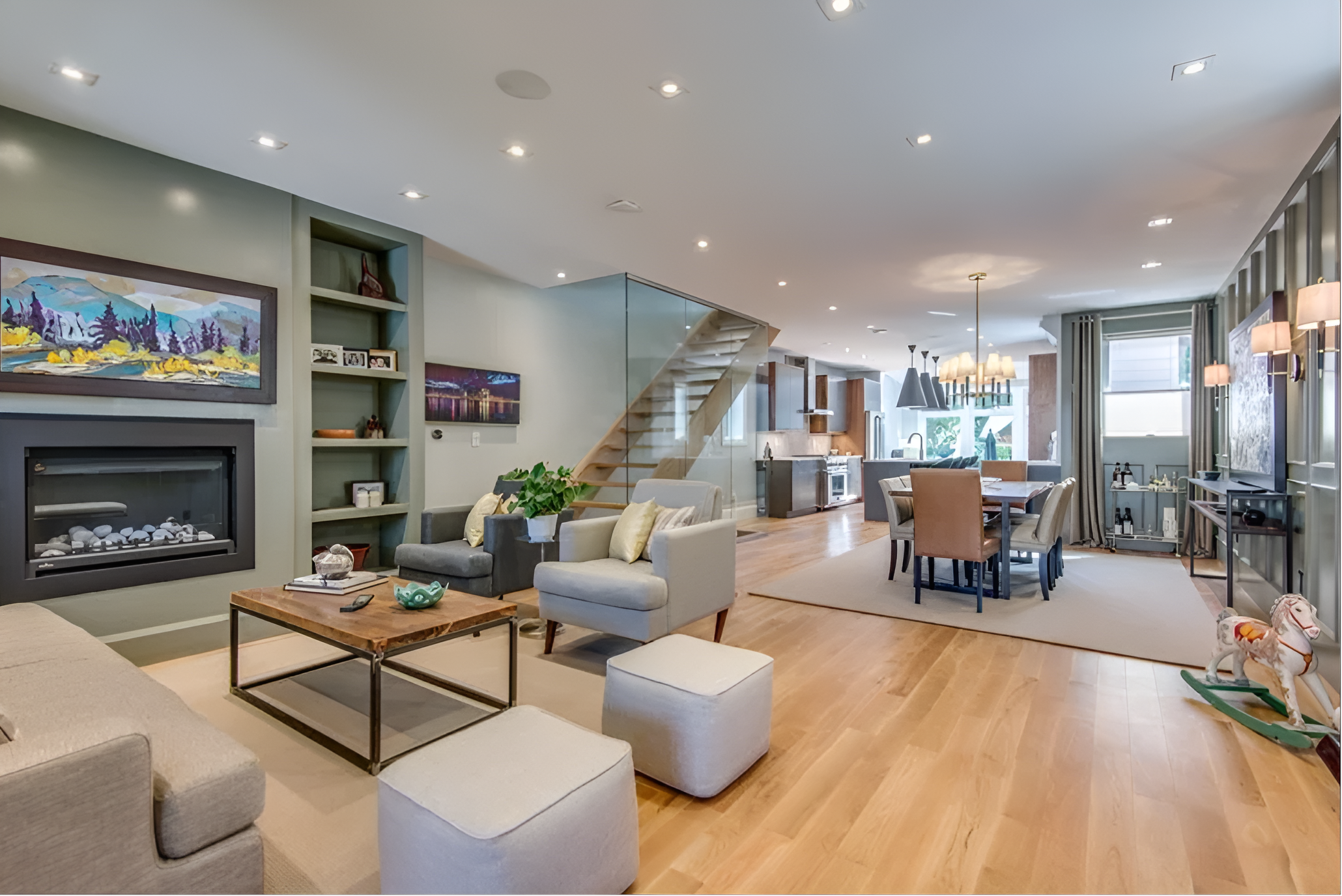
Colour, order and connection abound in this open concept townhome that our clients dreamed of for entertaining and optimizing the bottom floor design.
Physically, design impacts how your body moves and functions. Ergonomic furniture supports posture and reduces strain. Thoughtful kitchen layouts reduce unnecessary steps and fatigue. Proper lighting prevents eye strain. Air quality, ventilation, and materials that limit toxins contribute directly to respiratory health. Even the acoustics of a space can affect heart rate and stress response.
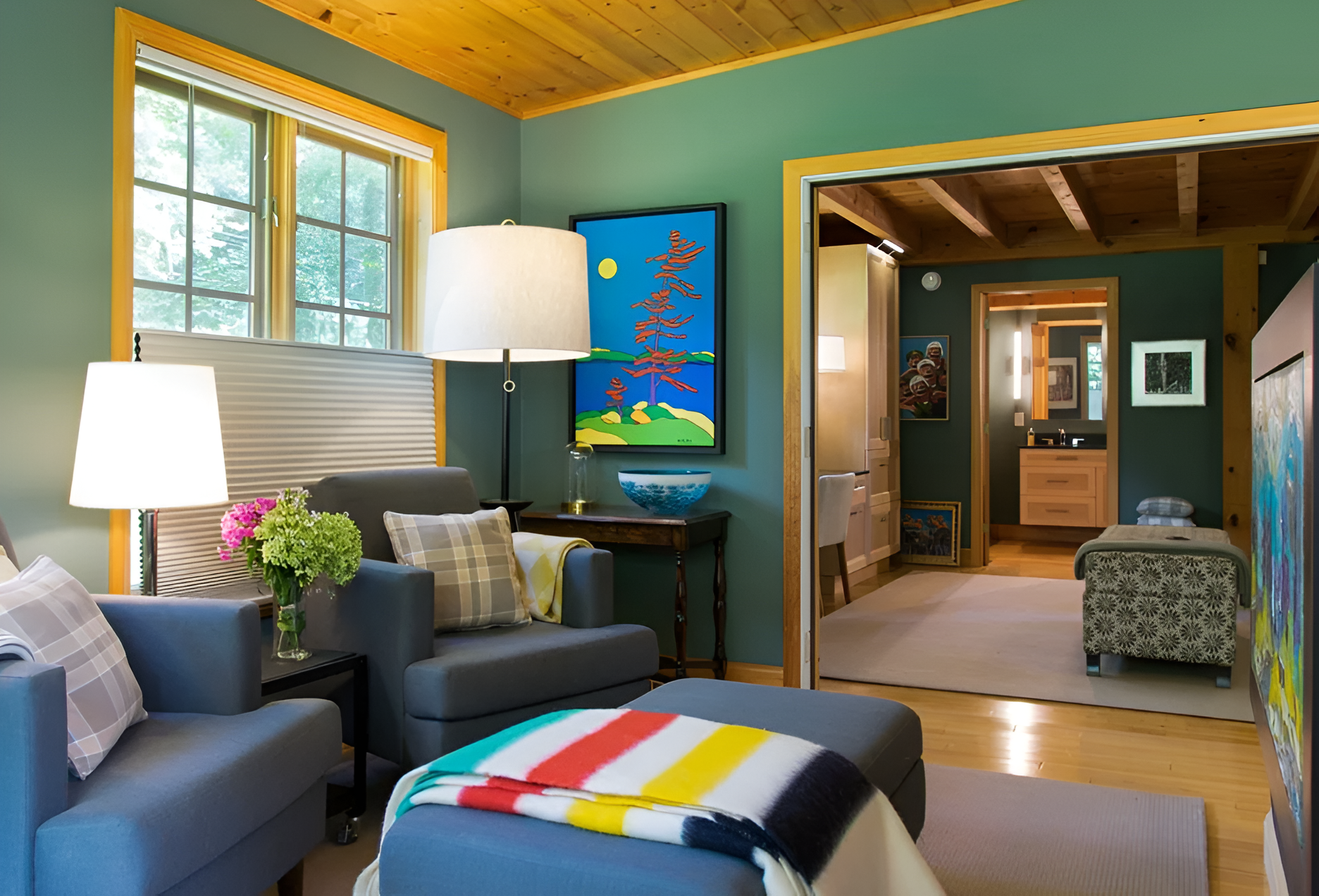
Our primary suite features a sitting area and dressing room space which means a place to escape to when we have a cottage full of family and friends.
At its core, therapeutic design asks a simple but powerful question: How does this space support the person living in it? When interiors are created around lifestyle, health, and emotional needs, they become more than beautiful, they become restorative. The way you live in and use your space can either deplete you or replenish you, and thoughtful design has the power to gently, consistently move you toward balance and wellbeing.
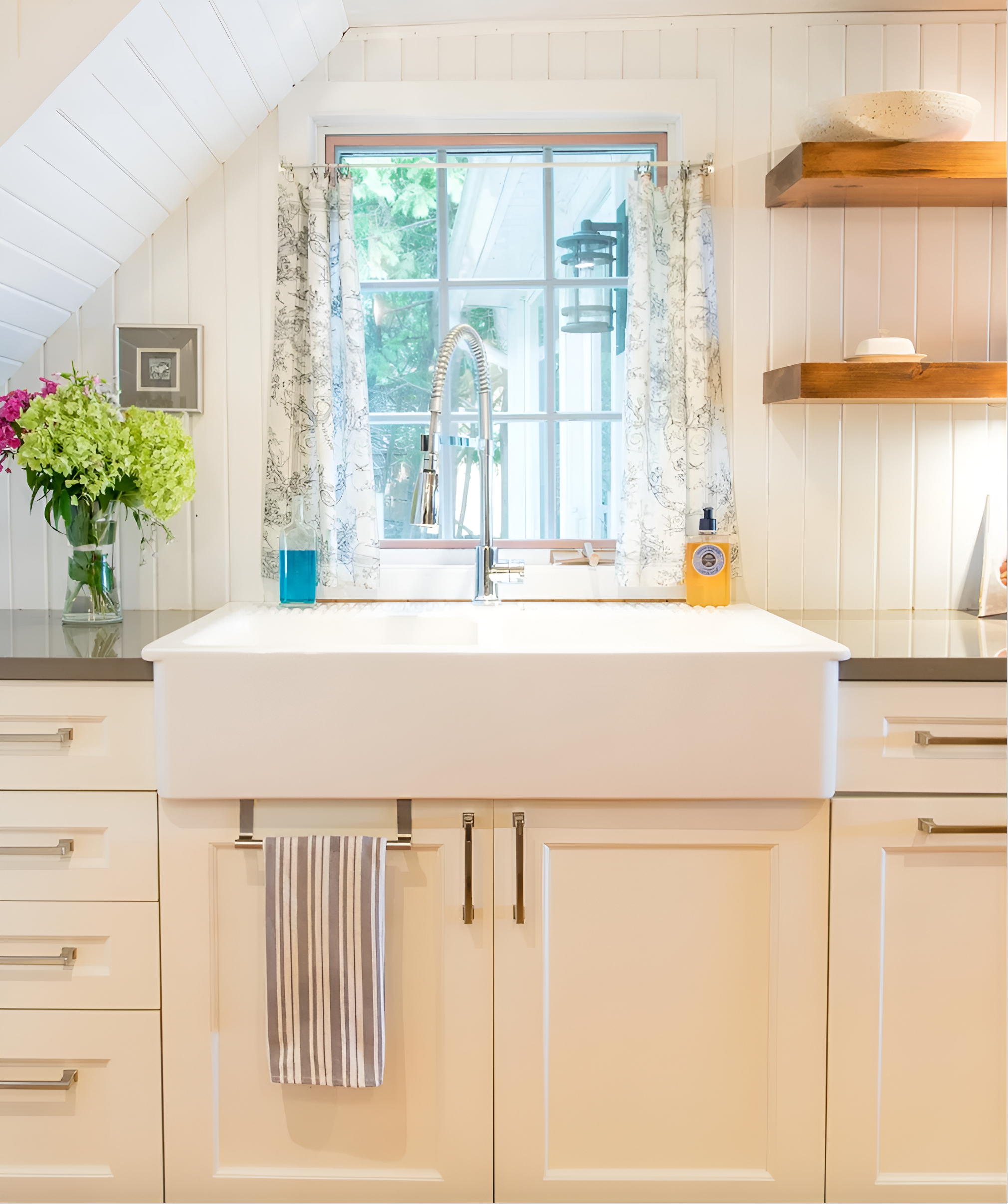
A country kitchen where everything has a place with a light palette delivers on high functionality in a small space.
Views and Vistas
The views that surround you, both outside your windows and within your interior spaces quietly shape your wellbeing every single day. Looking out onto water, trees, or open sky can calm the nervous system, lower stress, and create a sense of perspective and peace. Even within your home or cottage, what your eyes land on matters: balanced compositions, natural textures, meaningful objects, and uncluttered sightlines create mental ease. When your environment feels harmonious and connected to nature, it supports clarity, restoration, and a deeper sense of comfort in how you live.
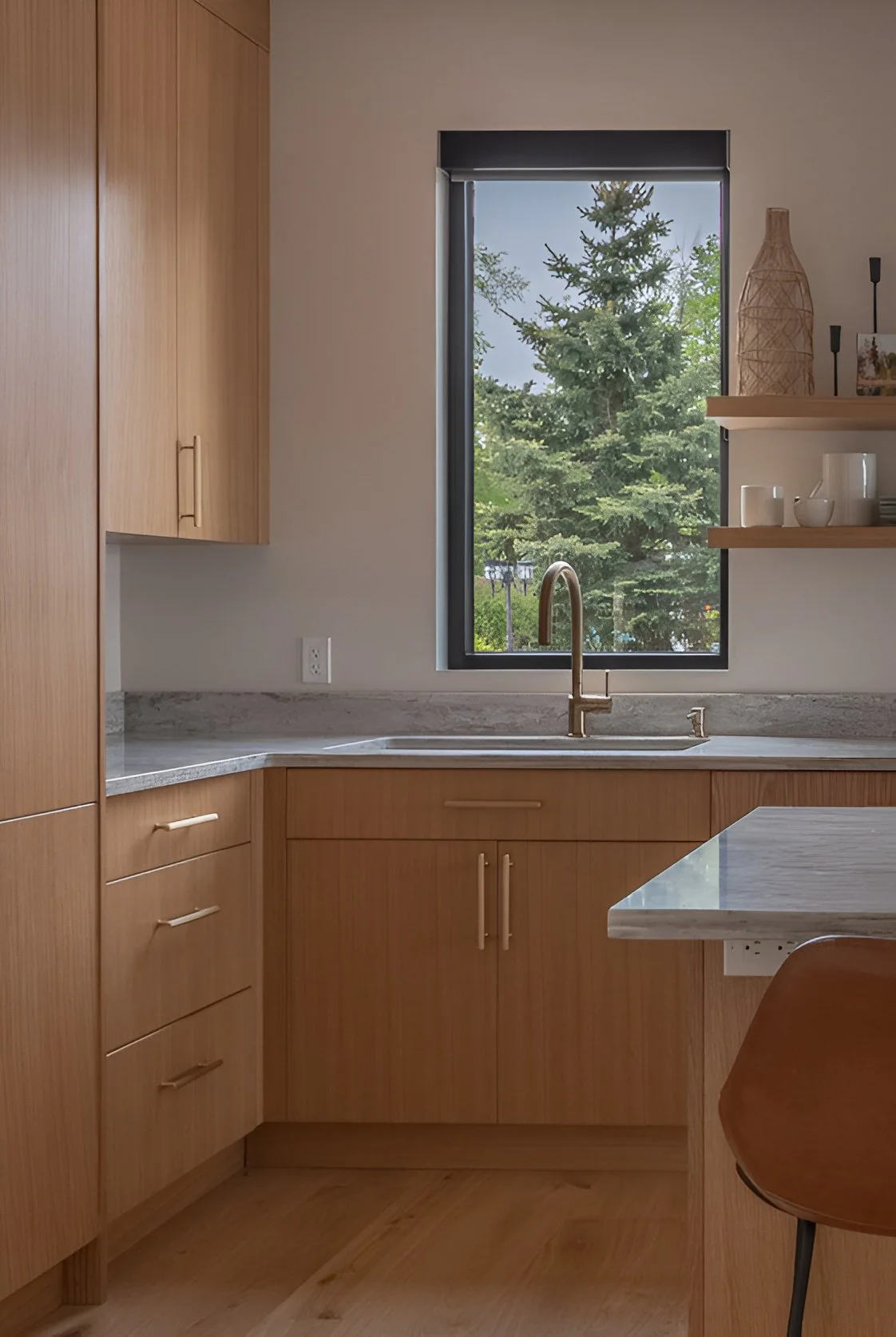
A view to nature outside the kitchen window at our Balsam Lake build.
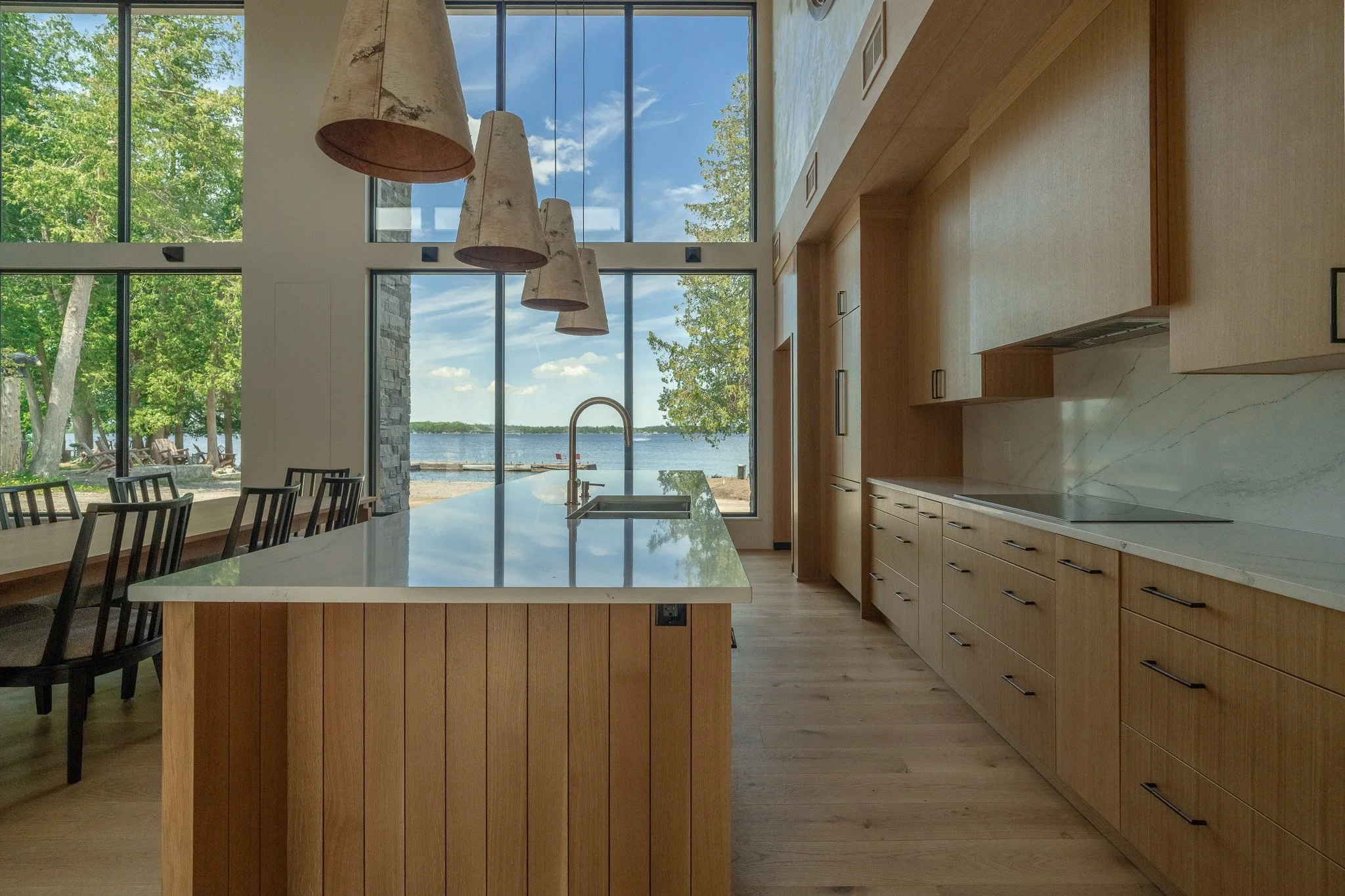
Another show stopper view with South Bay Balsam Lake outshining even the dreamiest of kitchens.
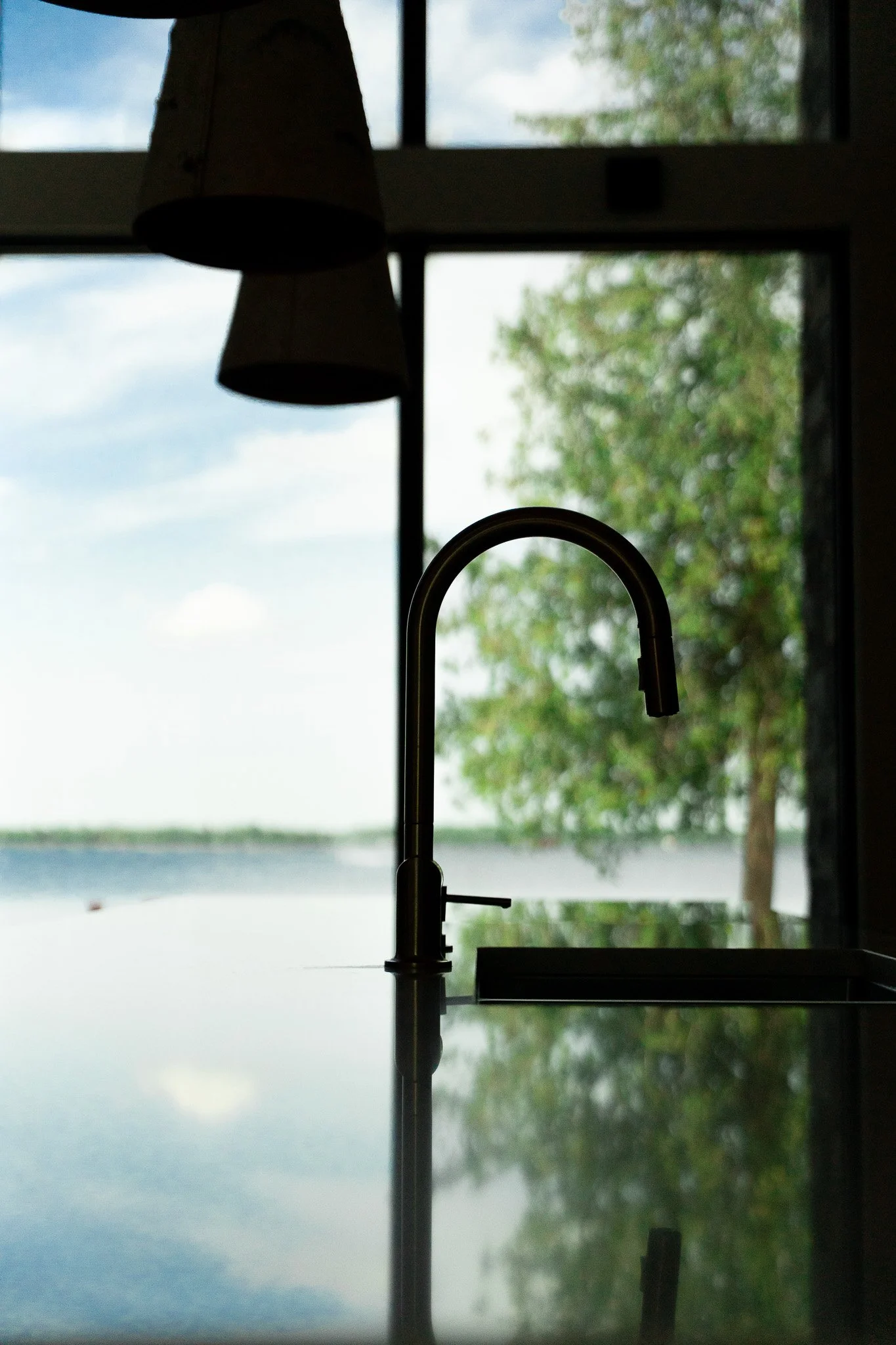
In the late afternoon, the trees and water mirror softly indoors, creating a quiet moment suspended in time.
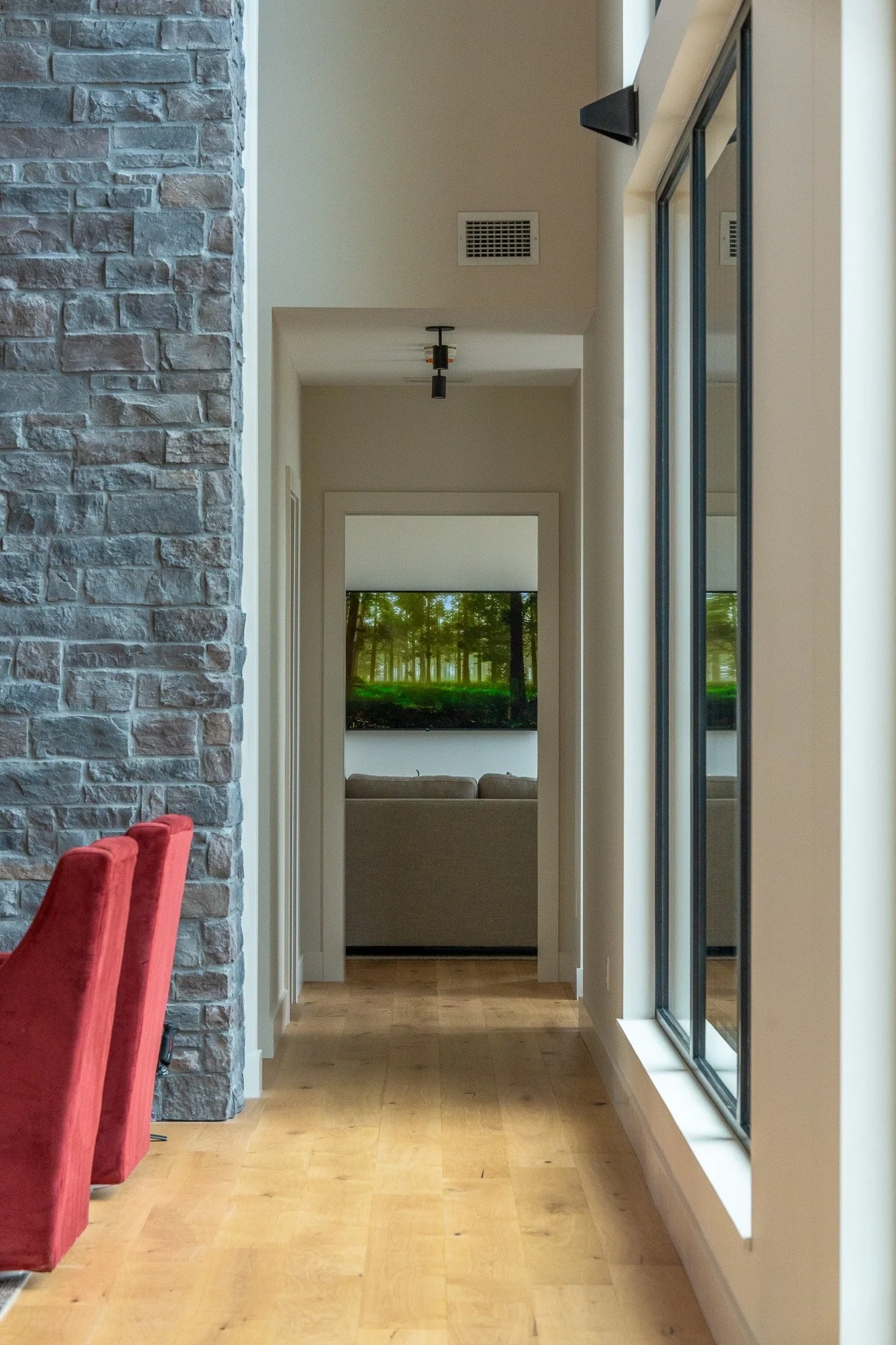
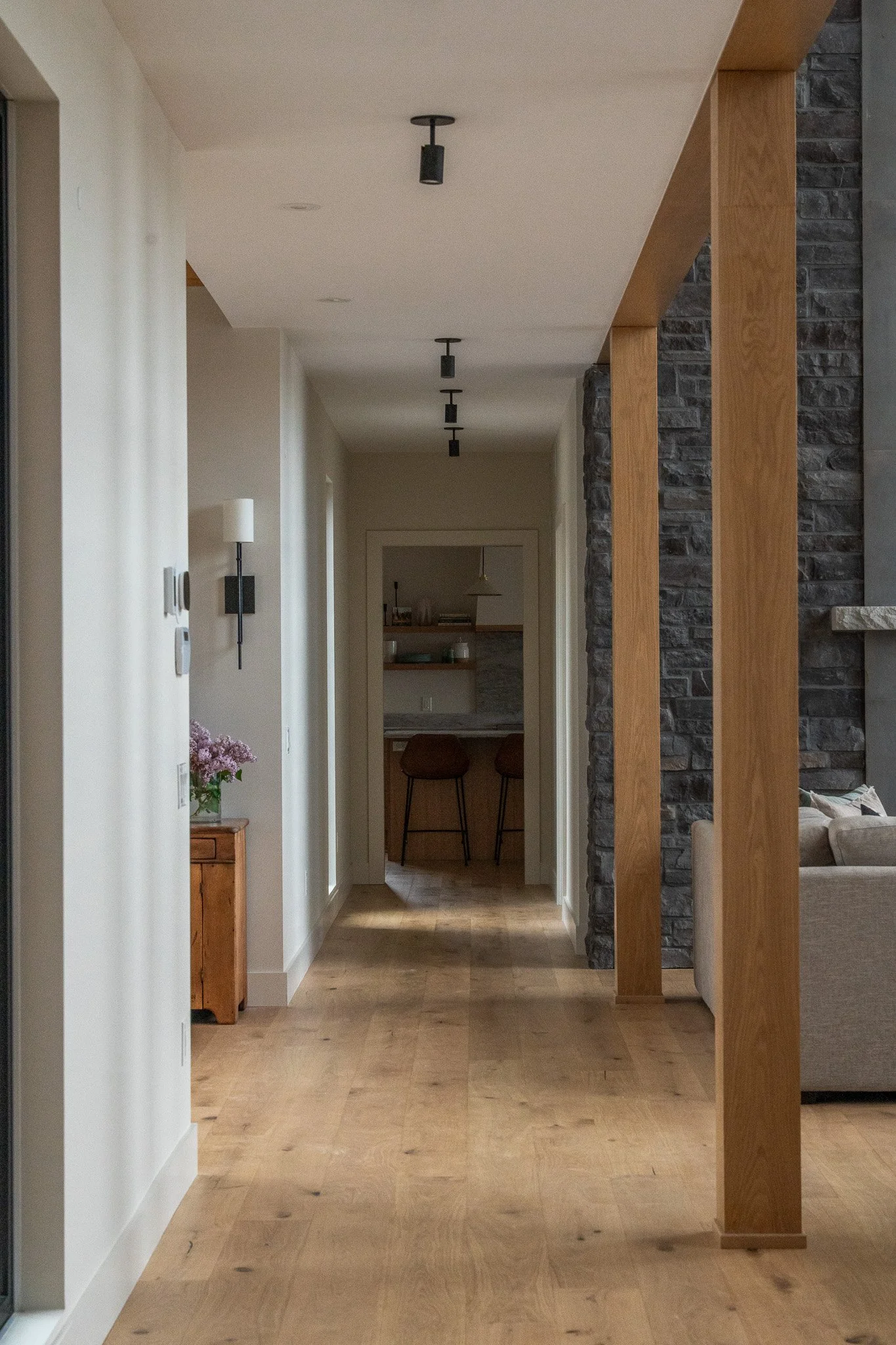
Indoor views are just as important. A view down both these hallways create a calm and welcoming sightline towards the media room. In fact, these are two of our favourite hall views to date!
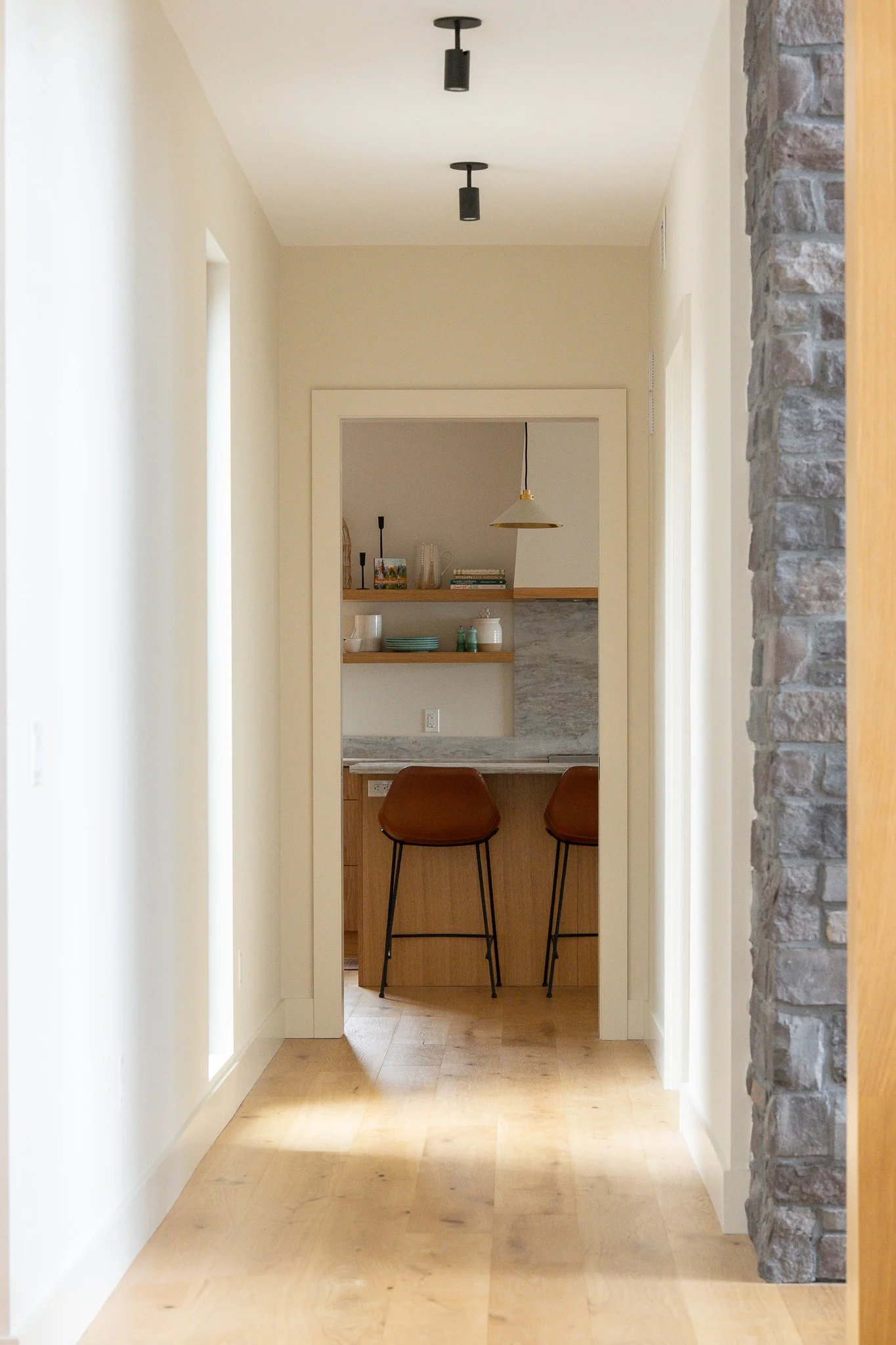
Light and shadow create calm for the eyeline through to this kitchen.
Living in the Right Light
Lighting has a profound effect on your wellbeing, shaping both your mood and your body’s natural rhythms. In a home or cottage, natural light during the day helps regulate circadian cycles, boosting energy, focus, and overall mental clarity. As evening falls, softer, layered lighting creates a sense of calm and signals the body to unwind. Harsh overhead glare can feel overstimulating, while warm, ambient light fosters relaxation and connection.
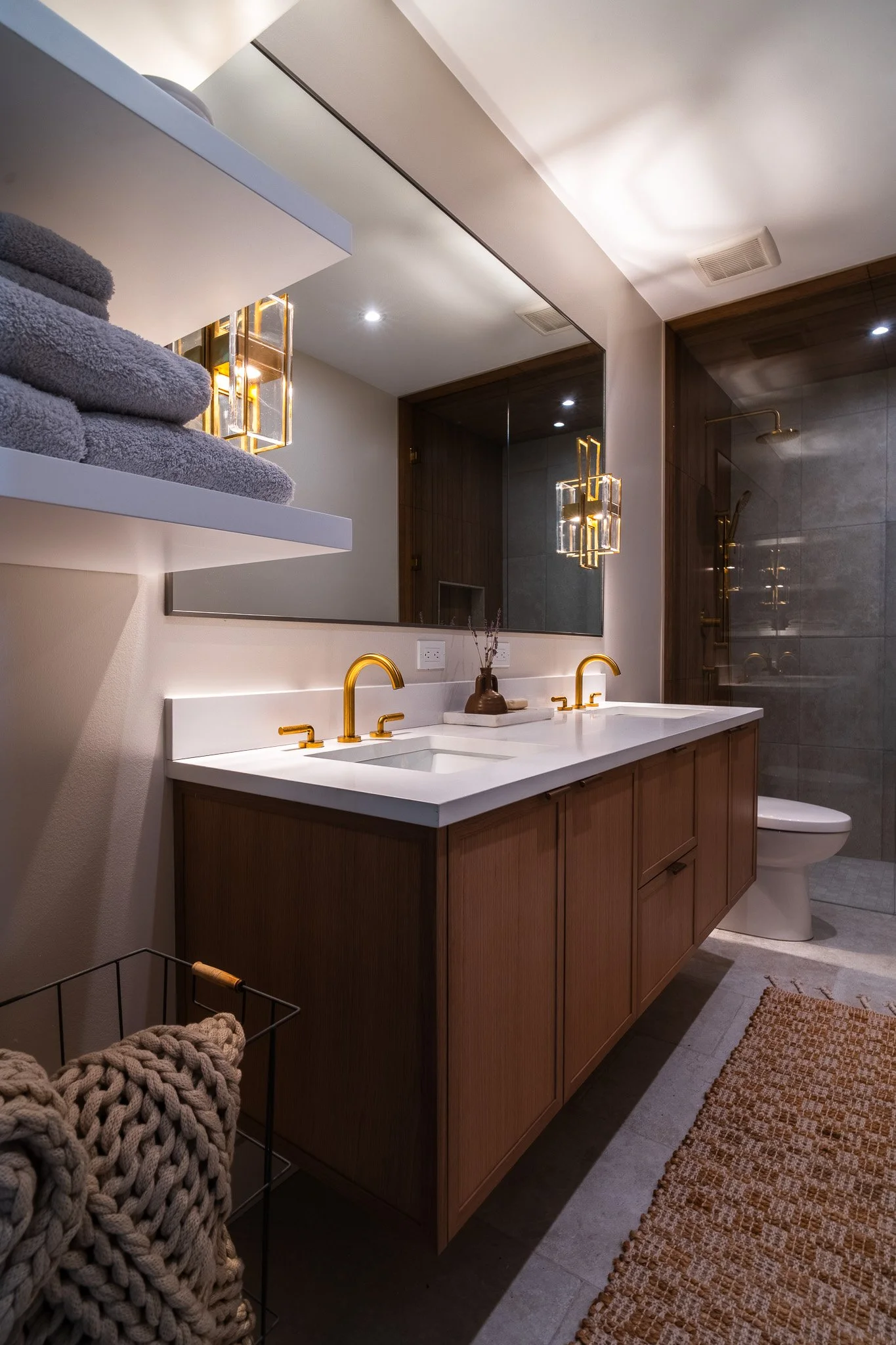
Thoughtfully placed task lighting supports physical comfort while reducing eye strain and making daily routines easier. When lighting is intentional and adaptable, it transforms a space into one that both energizes and restores.
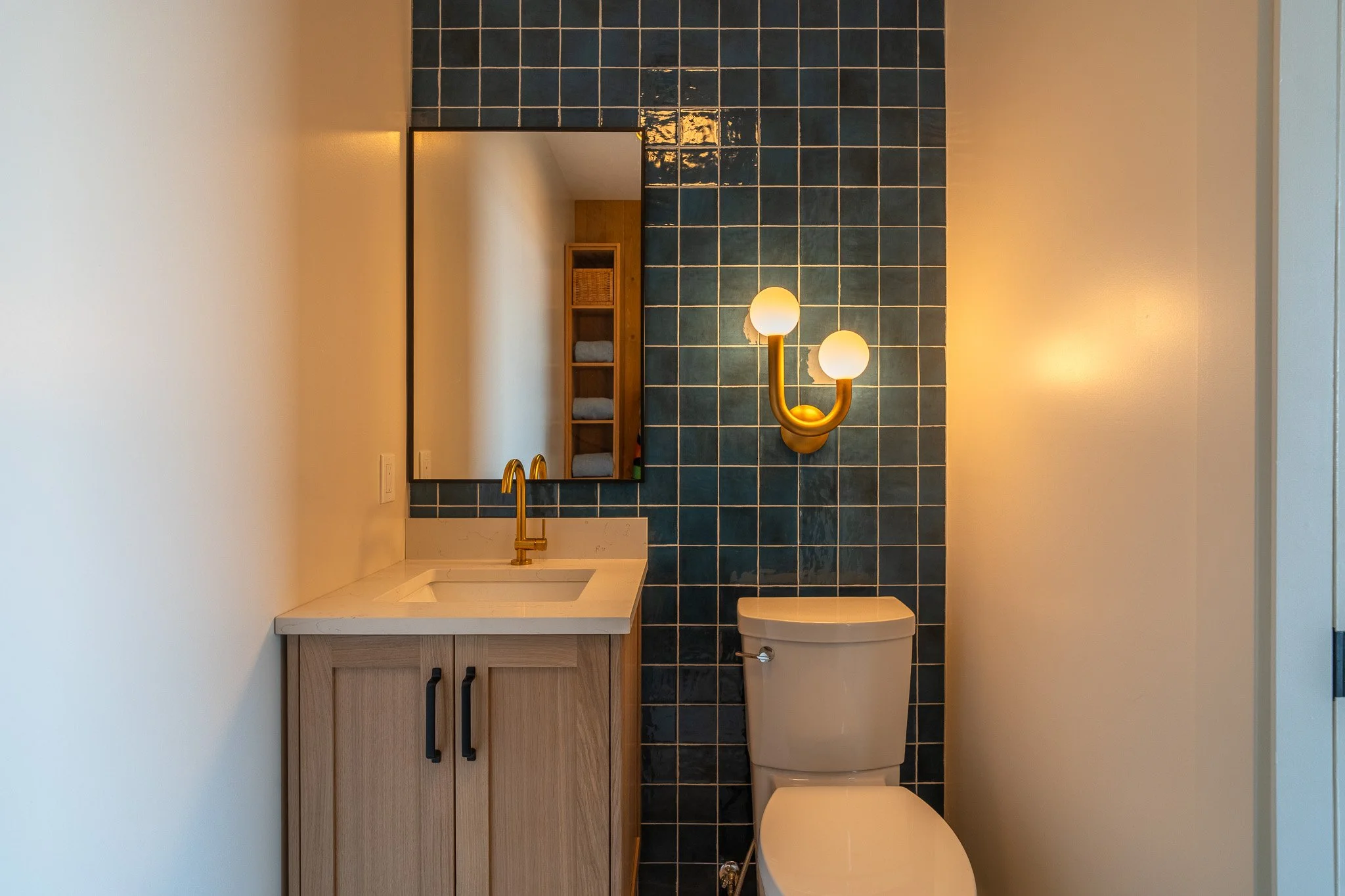
Soft ambient lighting in this powder room contrasts against the blue tile creating an even deeper shade of colour towards evening.
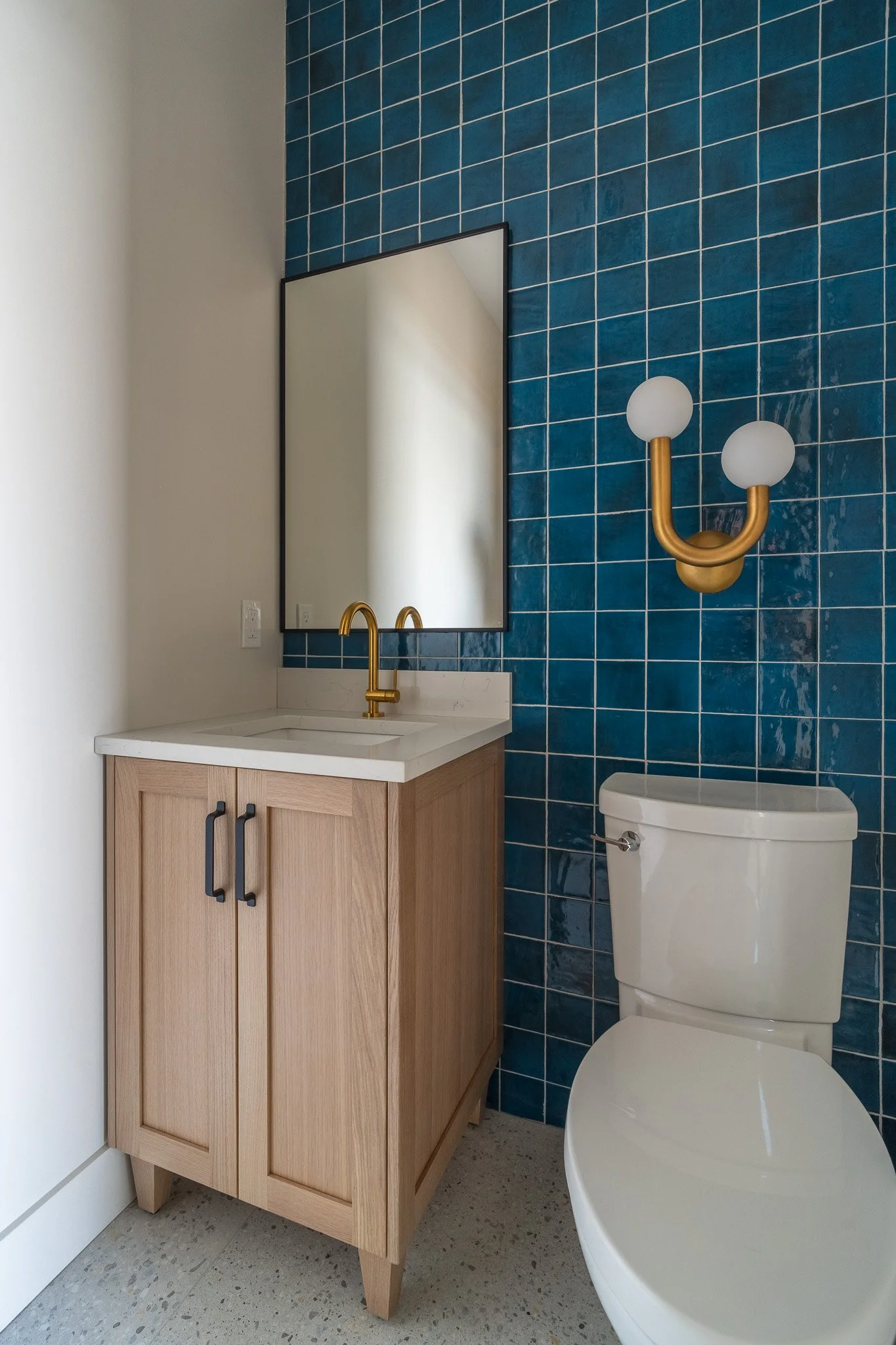
During the day, the blue tile moves toward a more aquamarine shade in keeping with the exterior lake views.
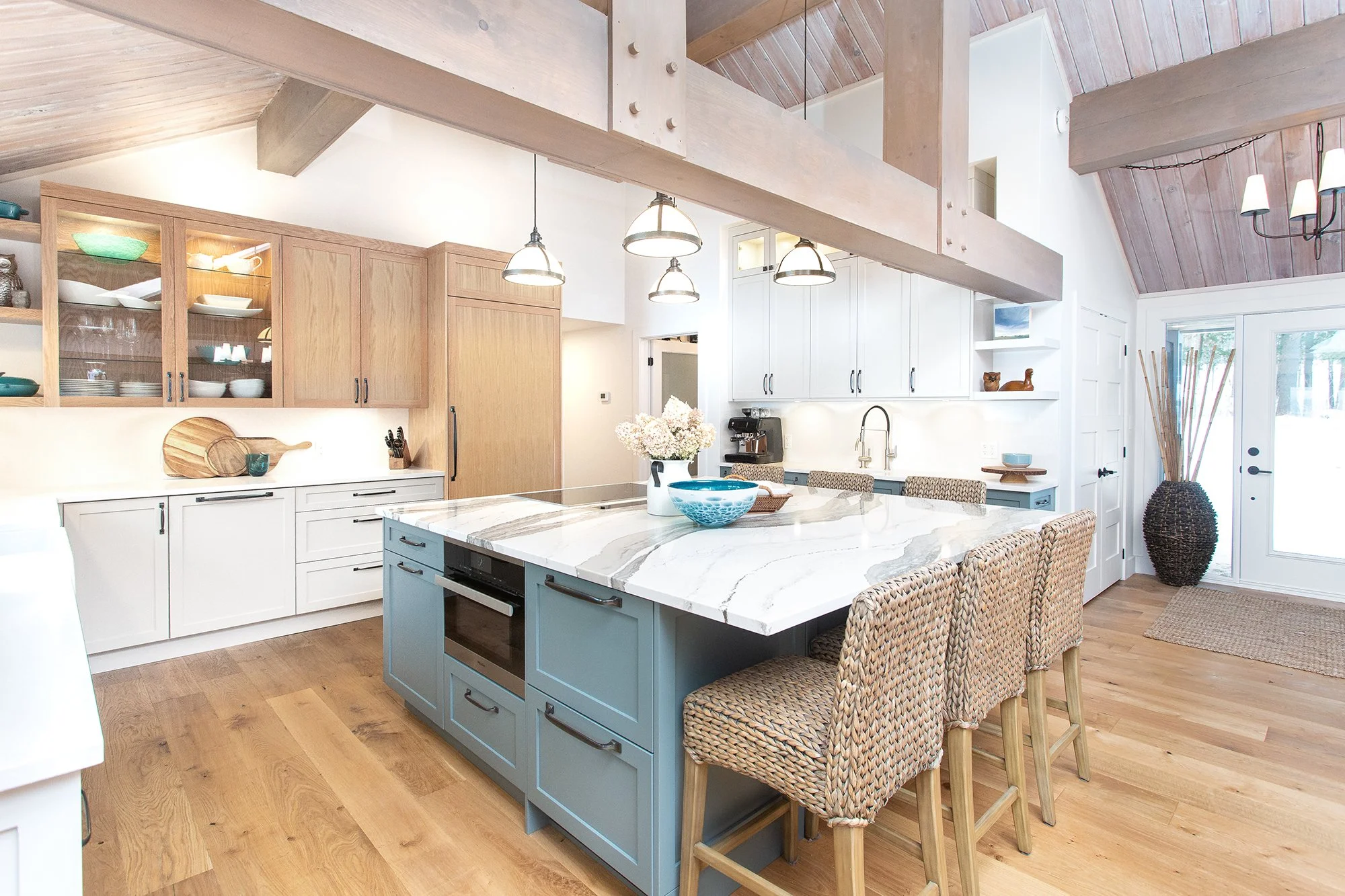
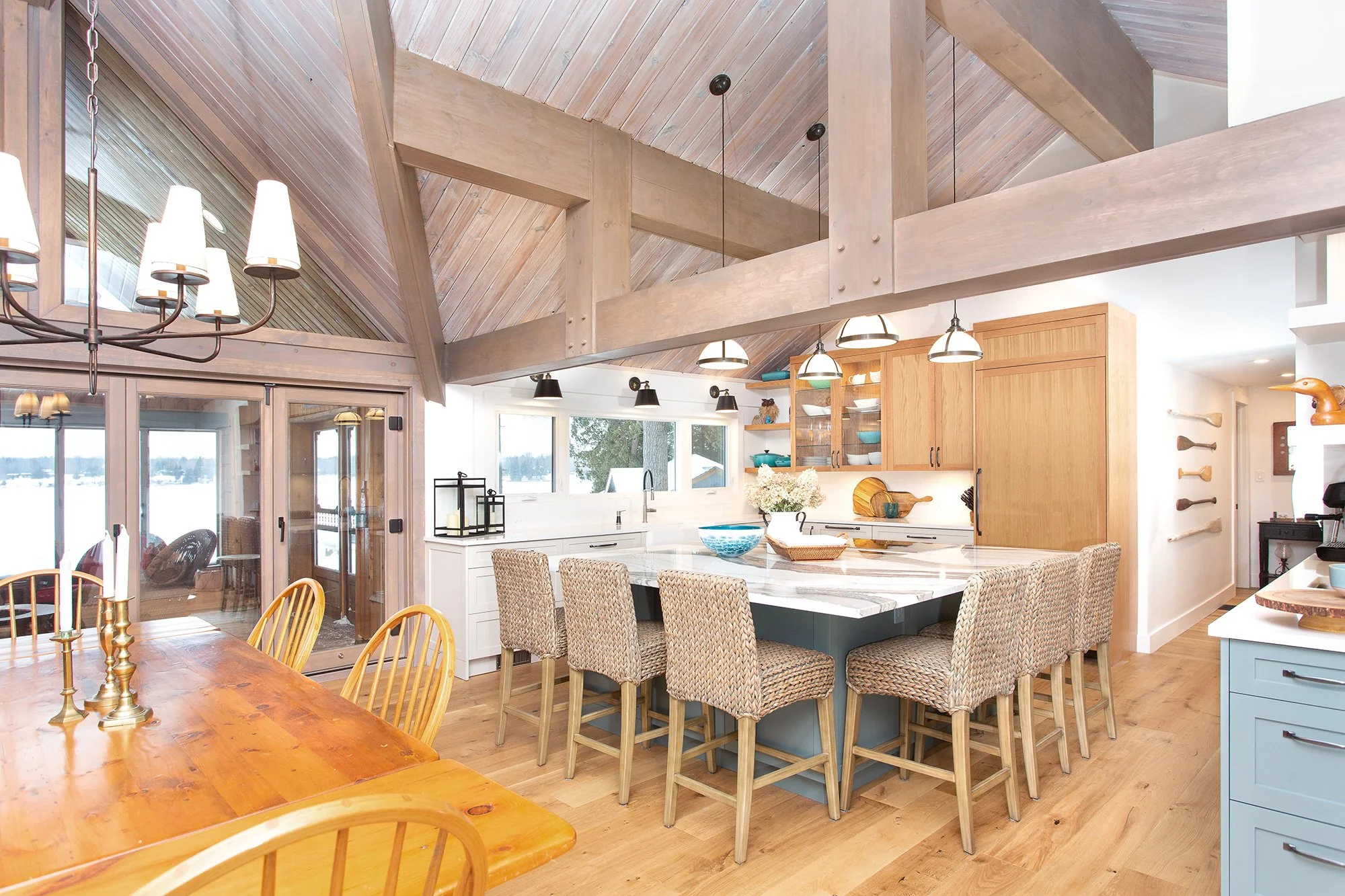
Island lighting casts direct bright light over the kitchen work area while working alongside chandeliers and cupboard task lighting in our Indian Point project.
Shades to Calm and Connect
Colour is one of the most powerful tools in shaping how we feel within our homes or cottages. It influences mood almost instantly. Using soft, muted tones can calm the nervous system, while richer, deeper hues create warmth, intimacy, and a sense of grounding. Bright, energetic colours can spark creativity and conversation, whereas cool palettes often promote rest and clarity.
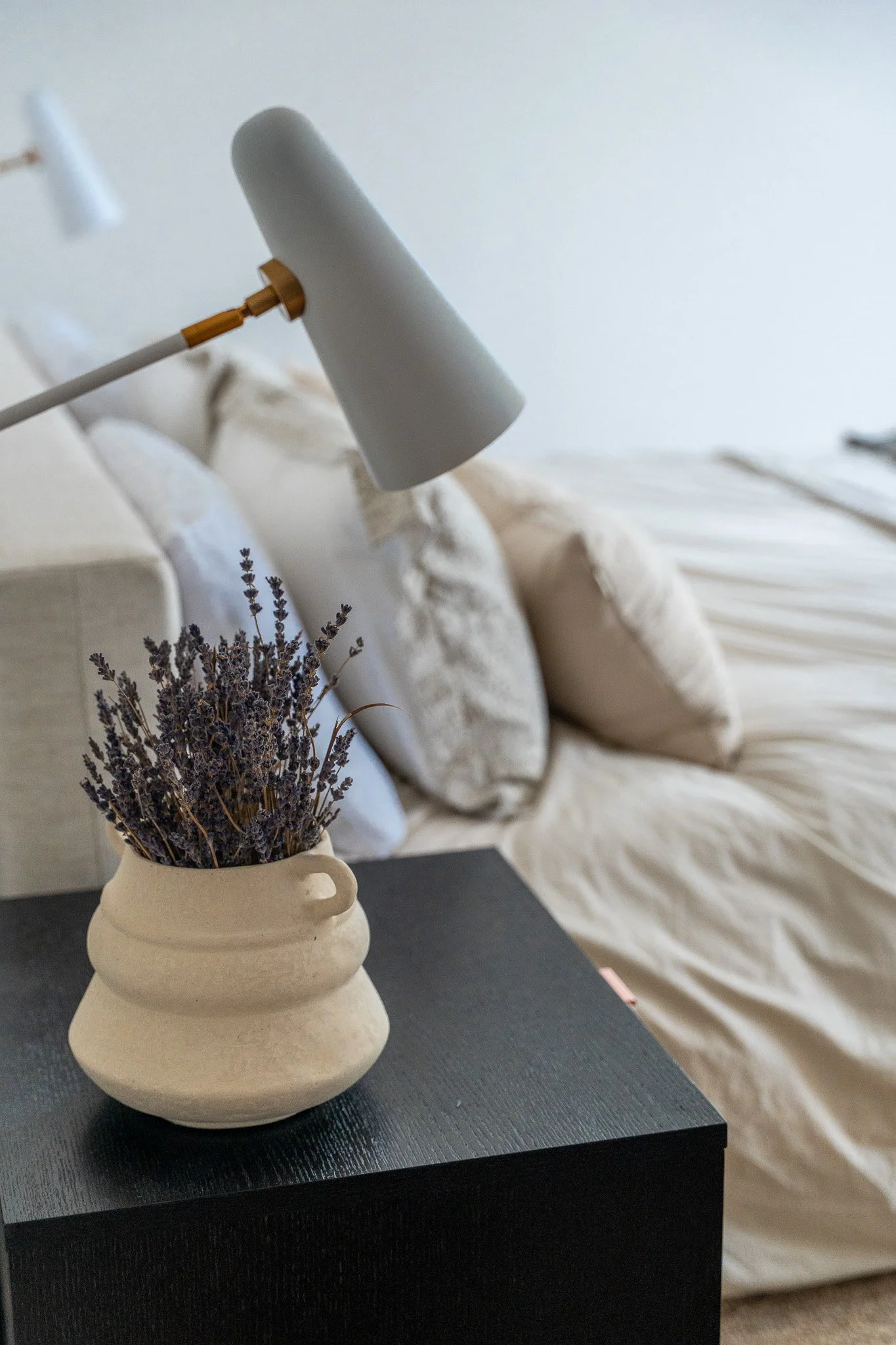
Beyond emotion, colour also affects how we perceive and organize space; lighter shades can make a room feel open and expansive, while darker tones can define zones and create cozy retreats. The colours we choose become the backdrop to our daily lives, subtly guiding how we move, gather, focus, and unwind. When selected intentionally, colour can not only decorate a space, it can help shape the atmosphere and support our overall wellbeing.
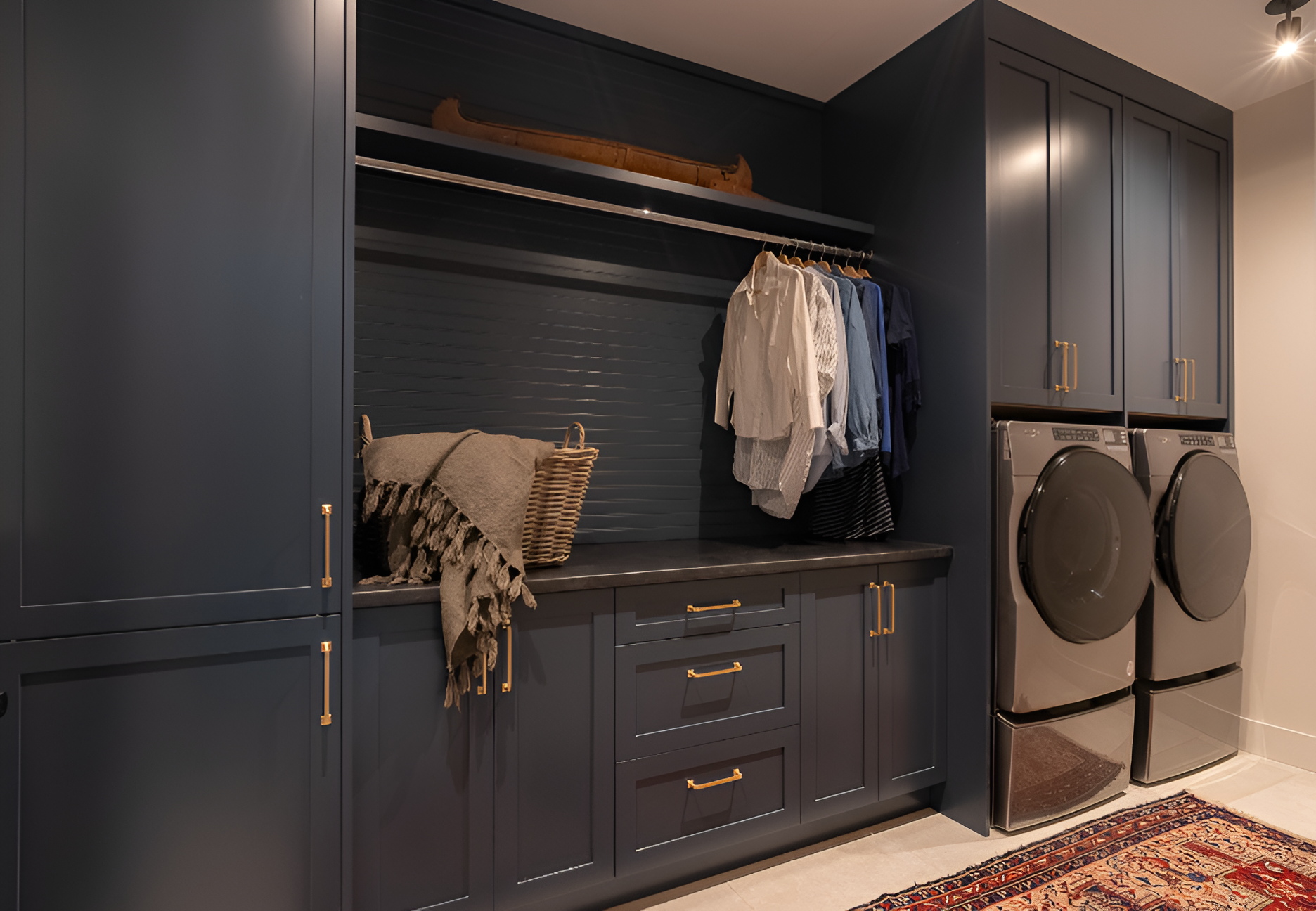
A dark moody colour in this Balsam Lake laundry room creates drama and depth in an otherwise utility driven room.
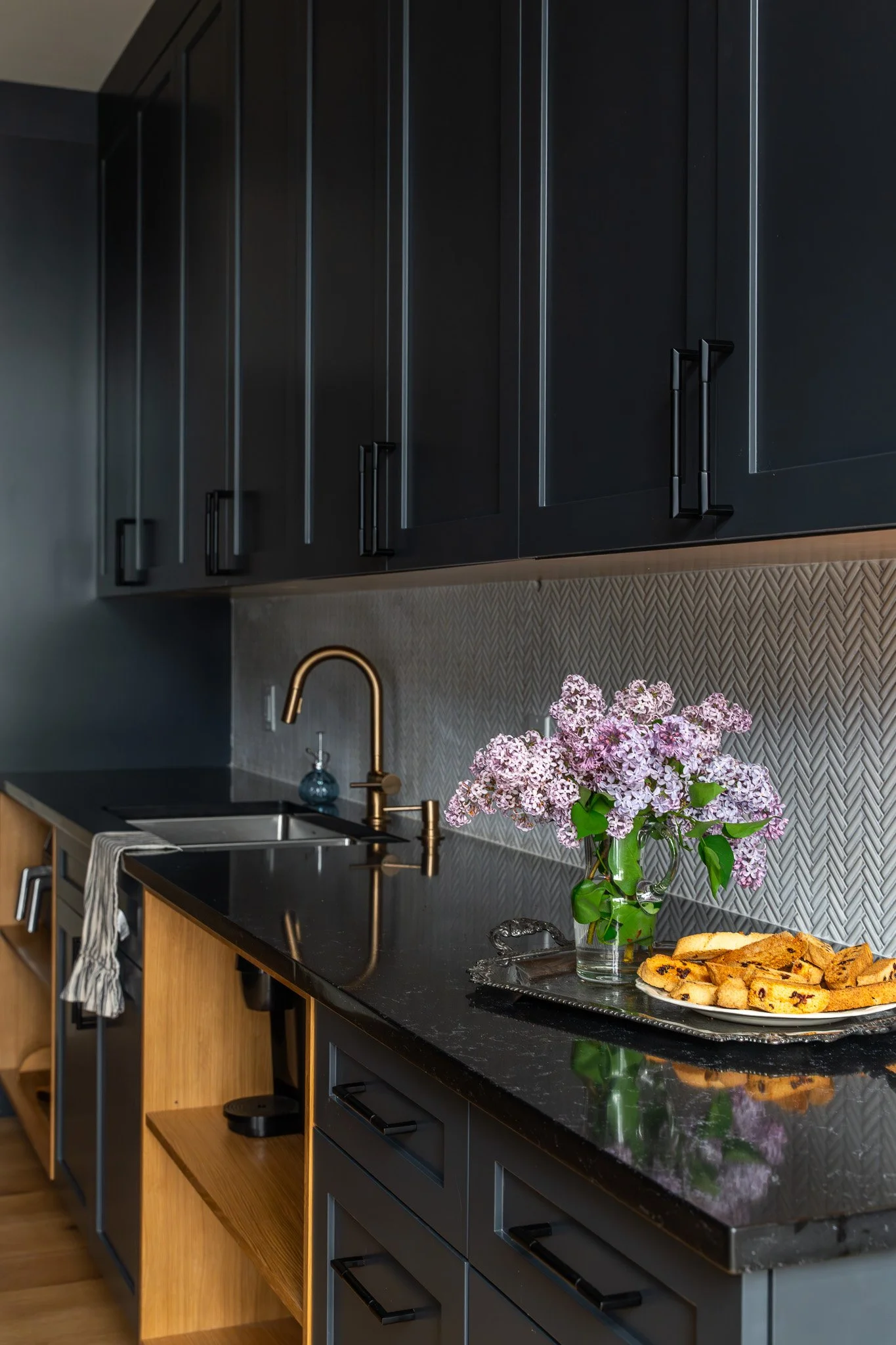
The same colourway is also used in the butler pantry to create a cozy yet sophisticated second kitchen with full-service amenities
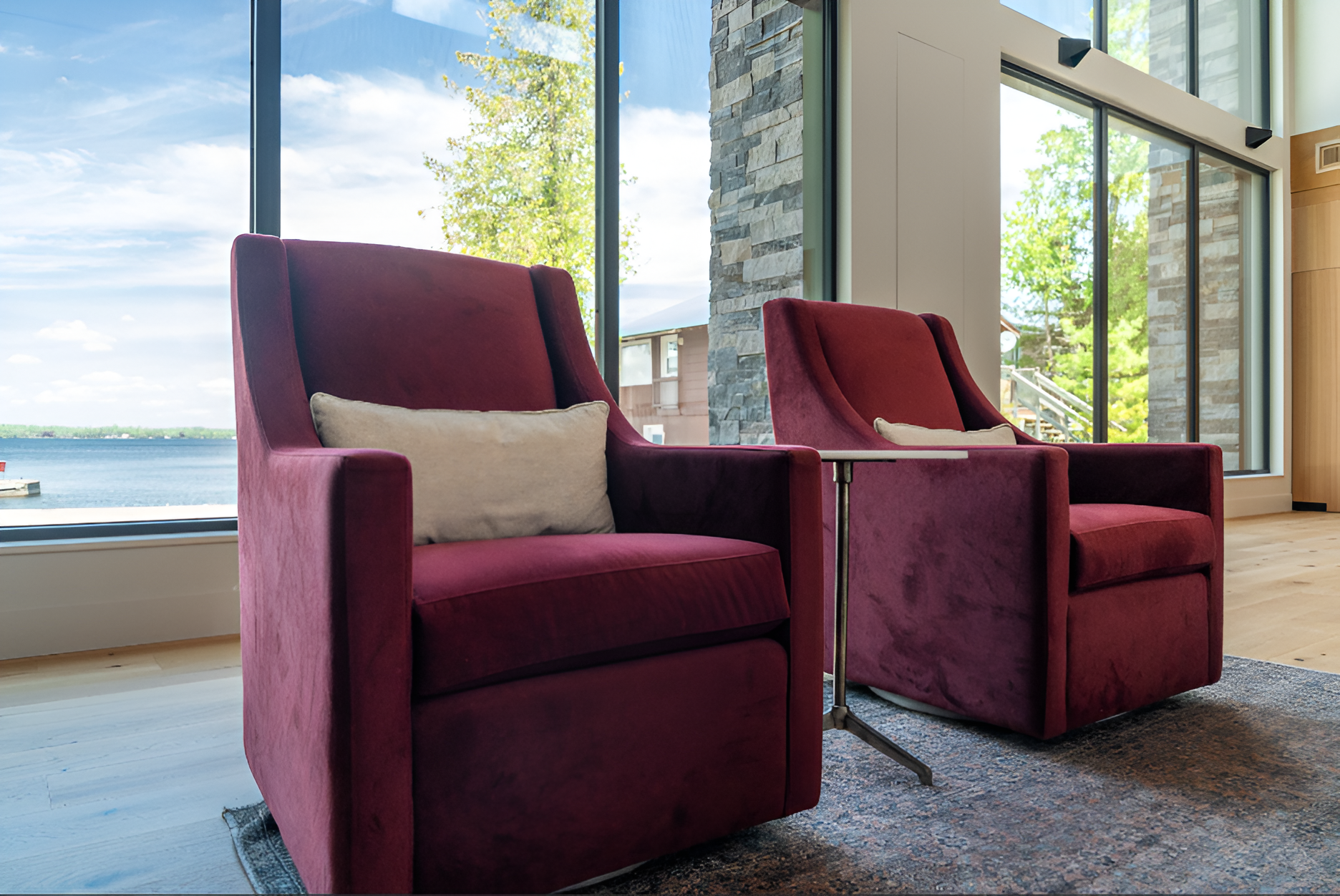
Matching accent chairs in a deep merlot add a hit of colour against the blue view of South Bay on Balsam Lake.
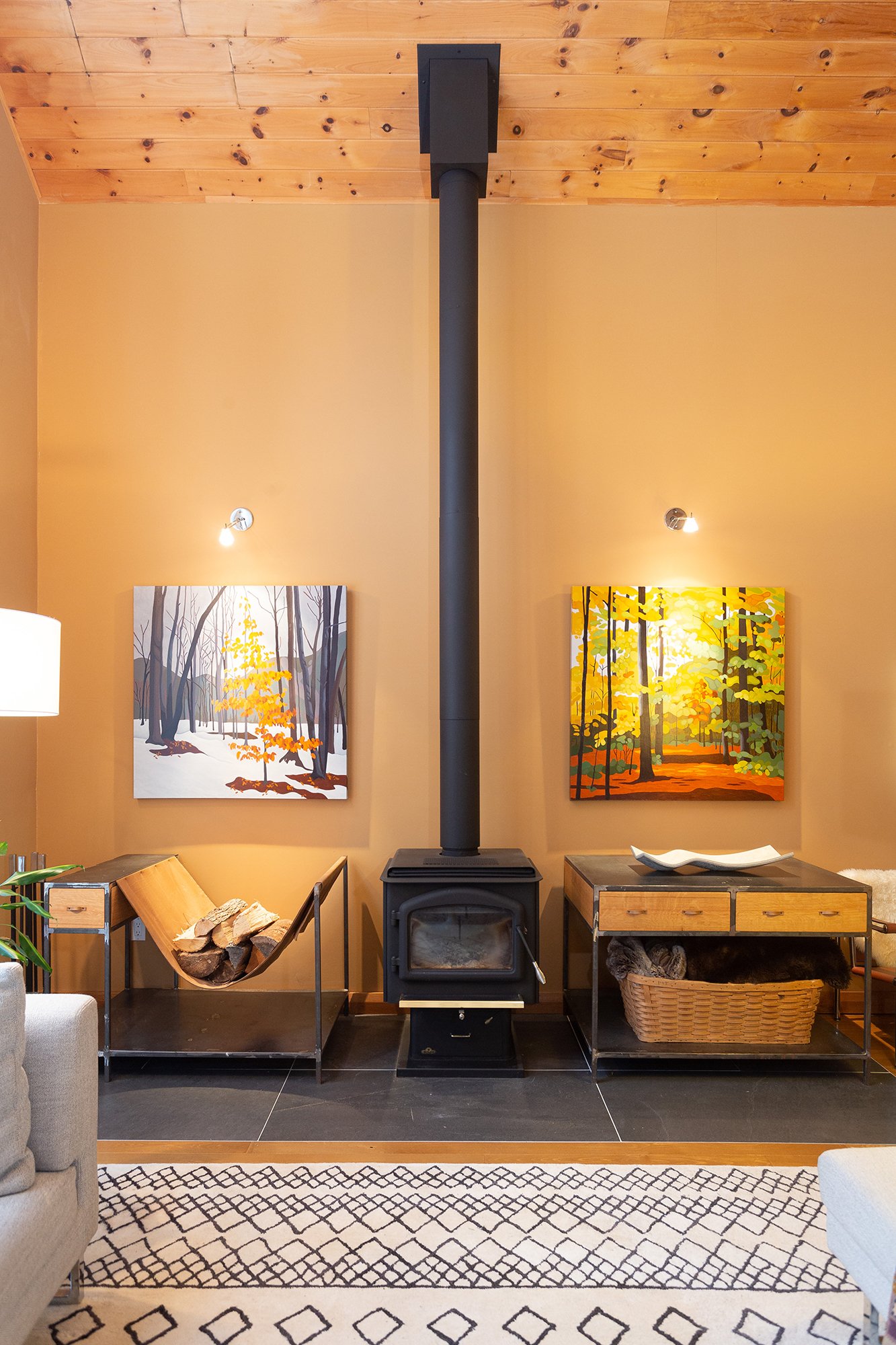
Shades of terra cotta in our Forest Road project help warm and insulate this cozy cottage all year round.
The Sensory Home: Texture and Well-Being
Texture plays a quiet but deeply important role in how we experience our homes and cottages. The tactile quality of materials like the softness of a woven throw, the cool smoothness of stone, the warmth of natural wood under hand, tends to engage our senses and influences how grounded and comfortable we feel. Layered textures add depth and visual interest, but they also create emotional warmth, making a space feel inviting rather than sterile.
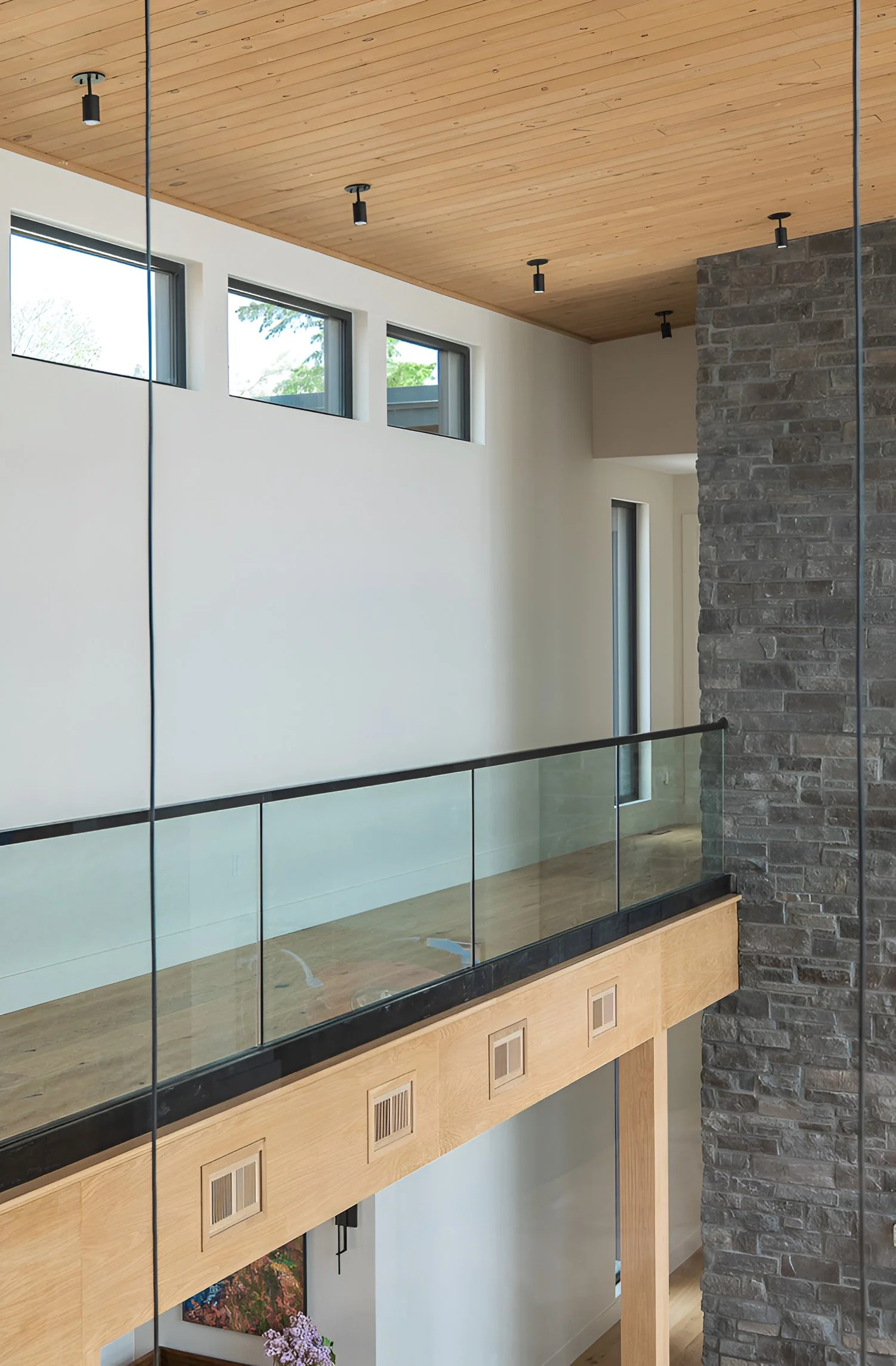
In a cottage especially, organic textures like linen, wool, rattan, and weathered timber connect us to nature and foster a sense of ease. When thoughtfully combined, texture supports relaxation, reduces sensory stress, and turns a beautiful room into one that feels nurturing and restorative.
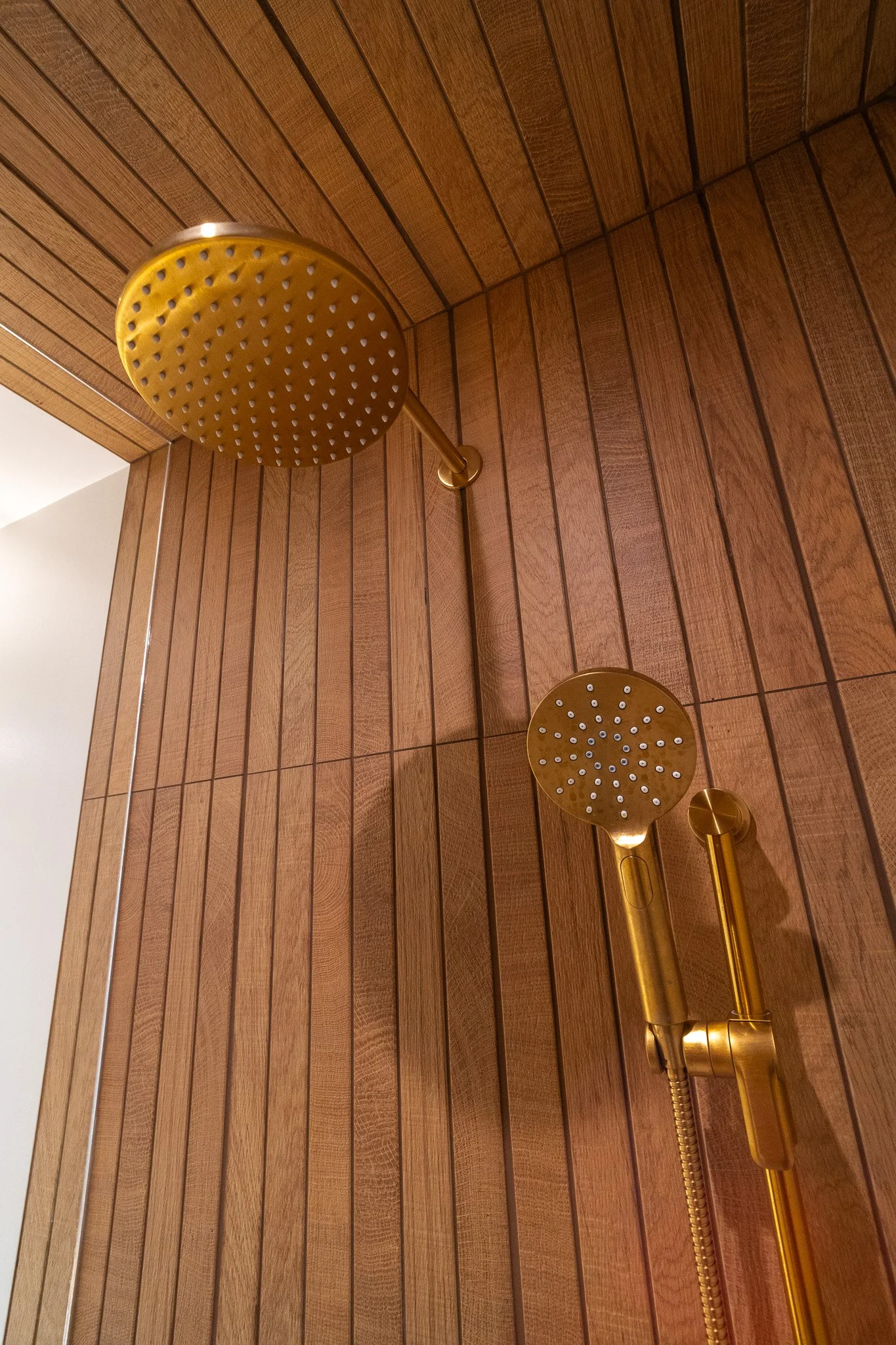
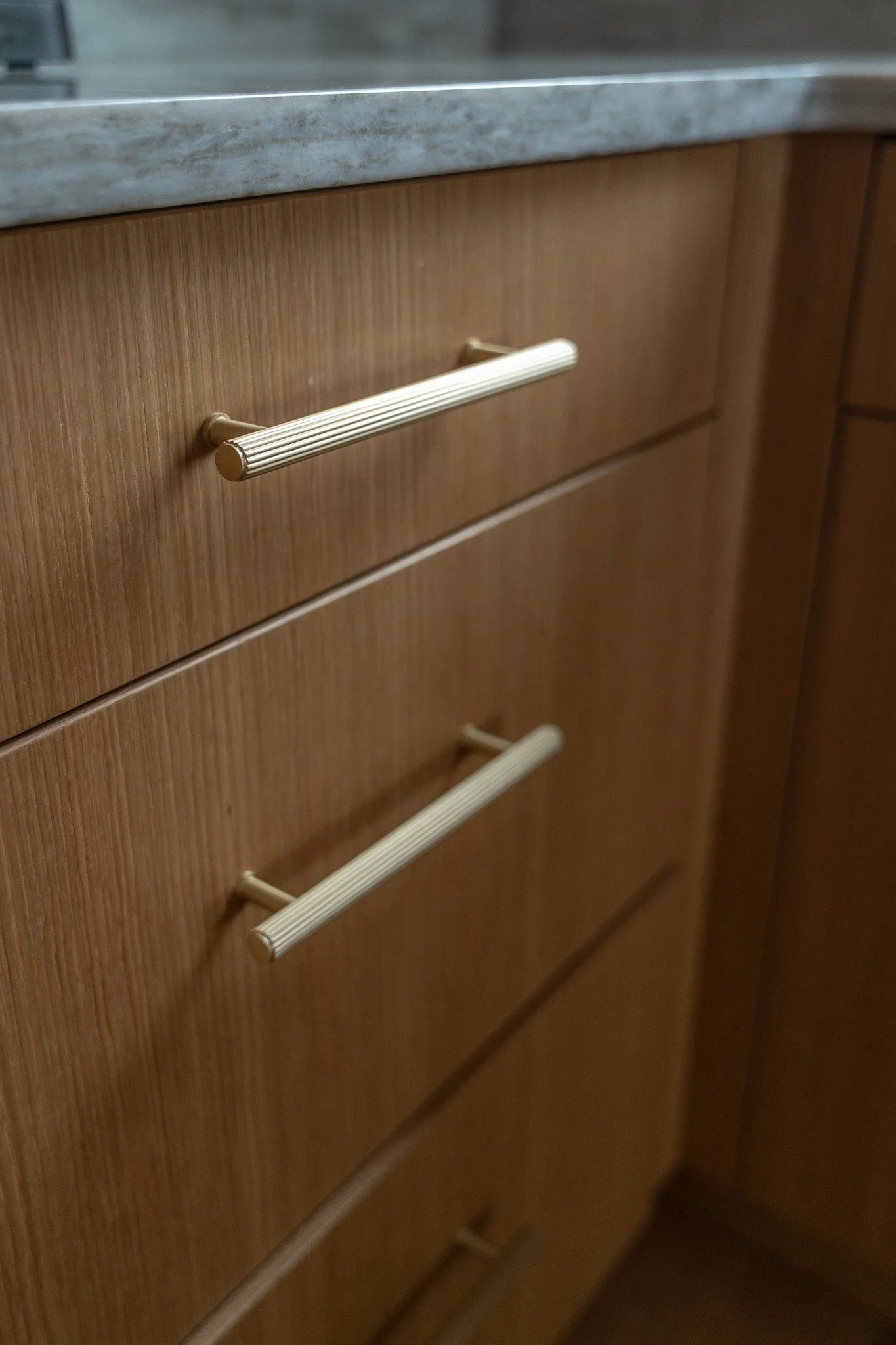
Mixing texture via hardware, tile and millwork creates interest and helps relate an interior to even the exterior elements surrounding a lakehouse.
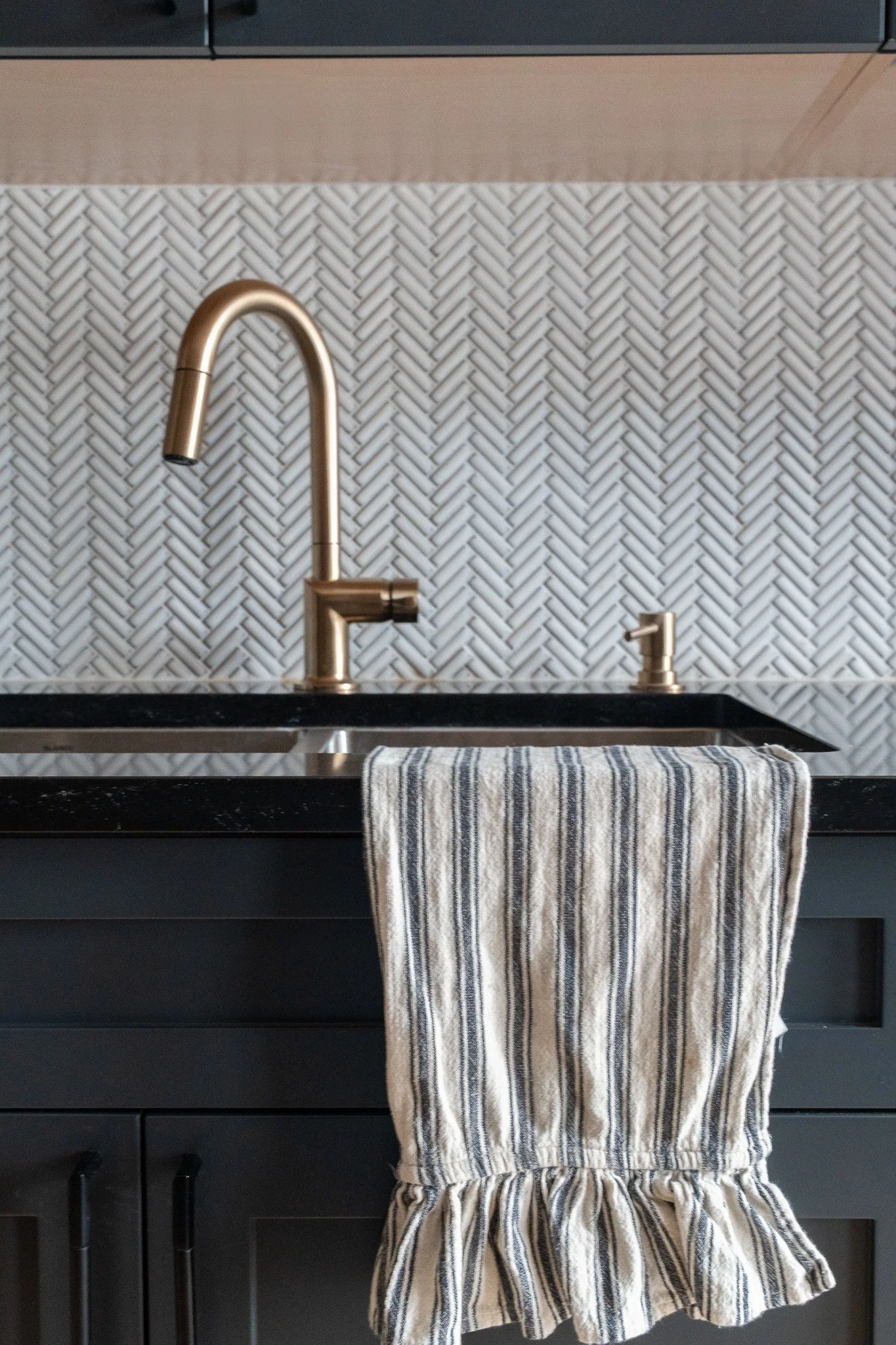
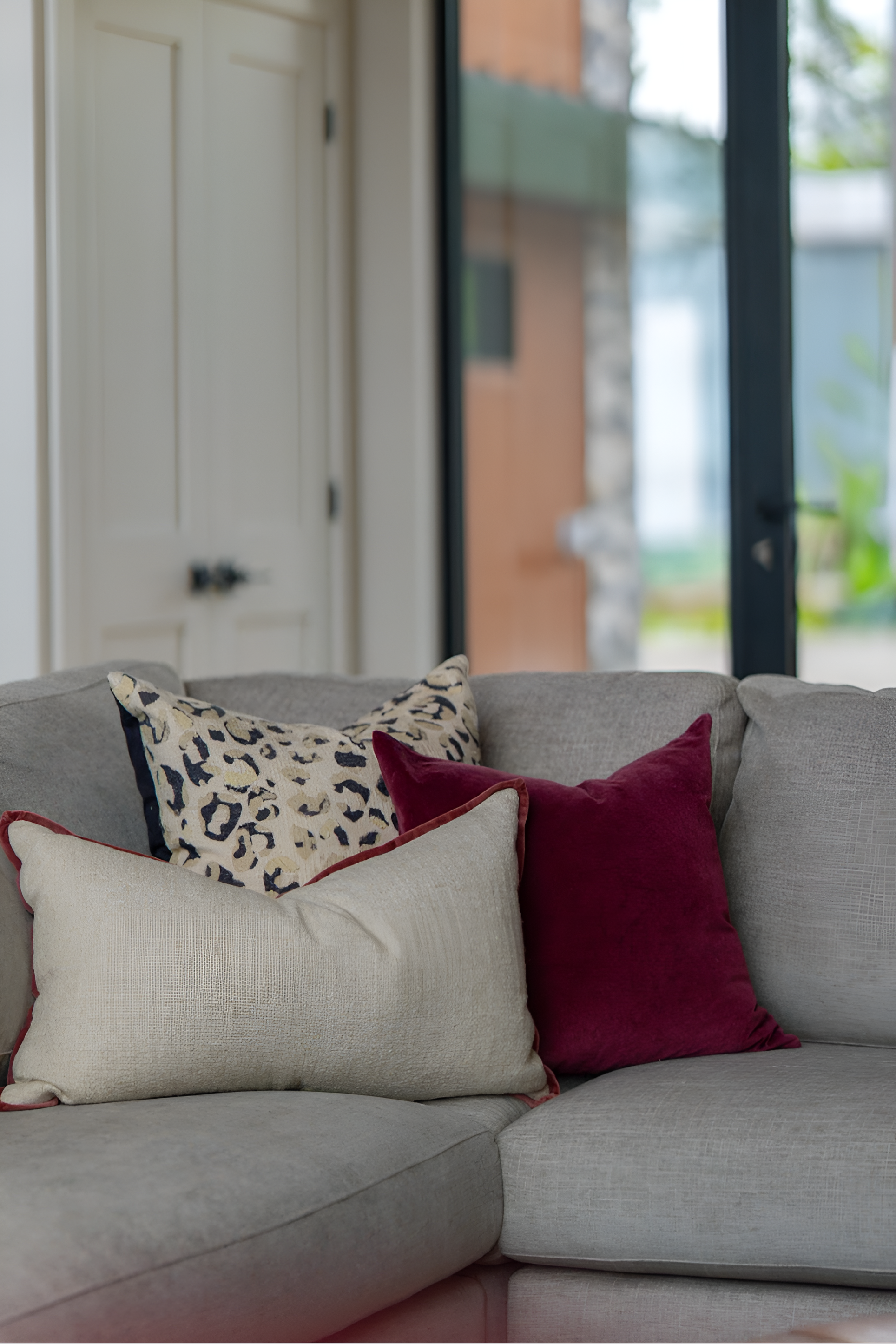
Texture can be anything from fabrics to tile to surface materials. All work together to create a sensory side to your space.
Flow and Feel: The Impact of Layout
Your environment, the way your home or cottage is arranged from an architectural design point of view and the way it’s organized, and experienced, has a direct impact on your overall wellbeing. Spaces that feel calm, functional, and reflective of who you are create a sense of stability and ease. When your surroundings support your daily routines, provide comfort, and allow for moments of connection or solitude, they help reduce stress and foster emotional balance. Natural light, thoughtful layouts, meaningful objects, and a sense of order all contribute to how safe and grounded you feel. Over time, your environment becomes more than a backdrop; it shapes your energy, your mindset, and the quality of your everyday life.
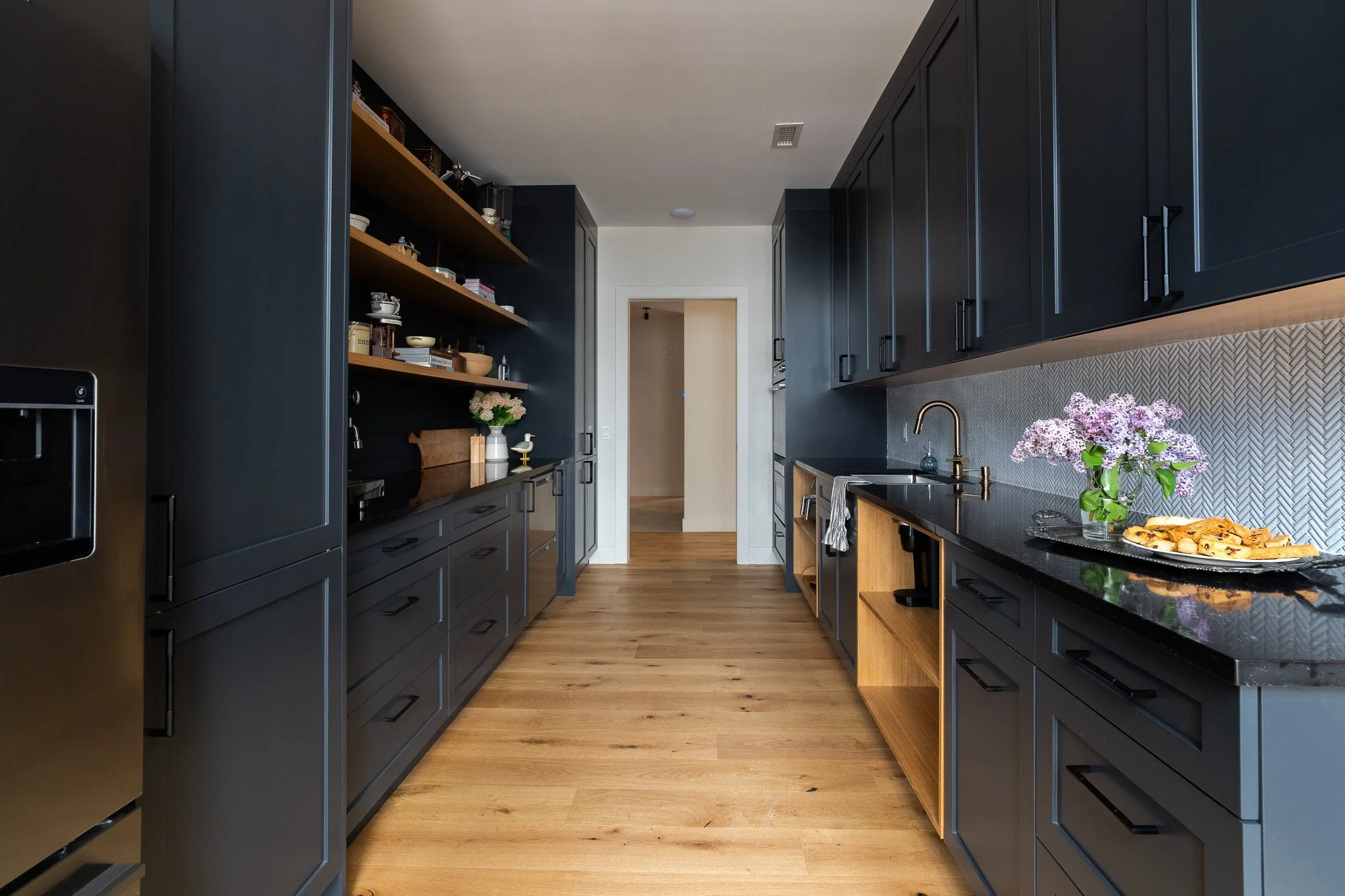
For more images from our Nahma Project see our Portfolio.
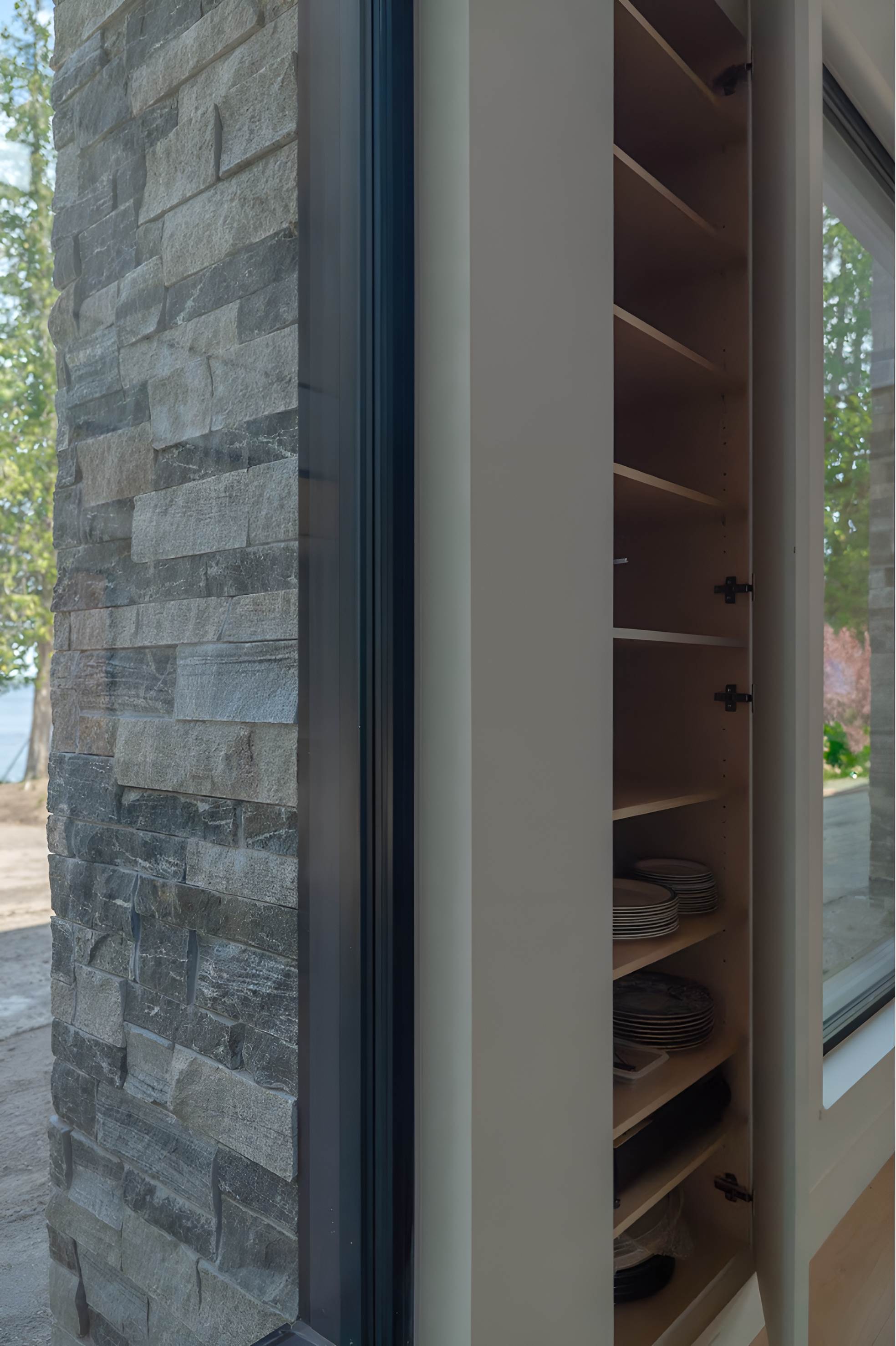
Keeping clutter tucked away is easy with built-in millwork. Read more here about how Studio TC creates custom solutions for our design projects.
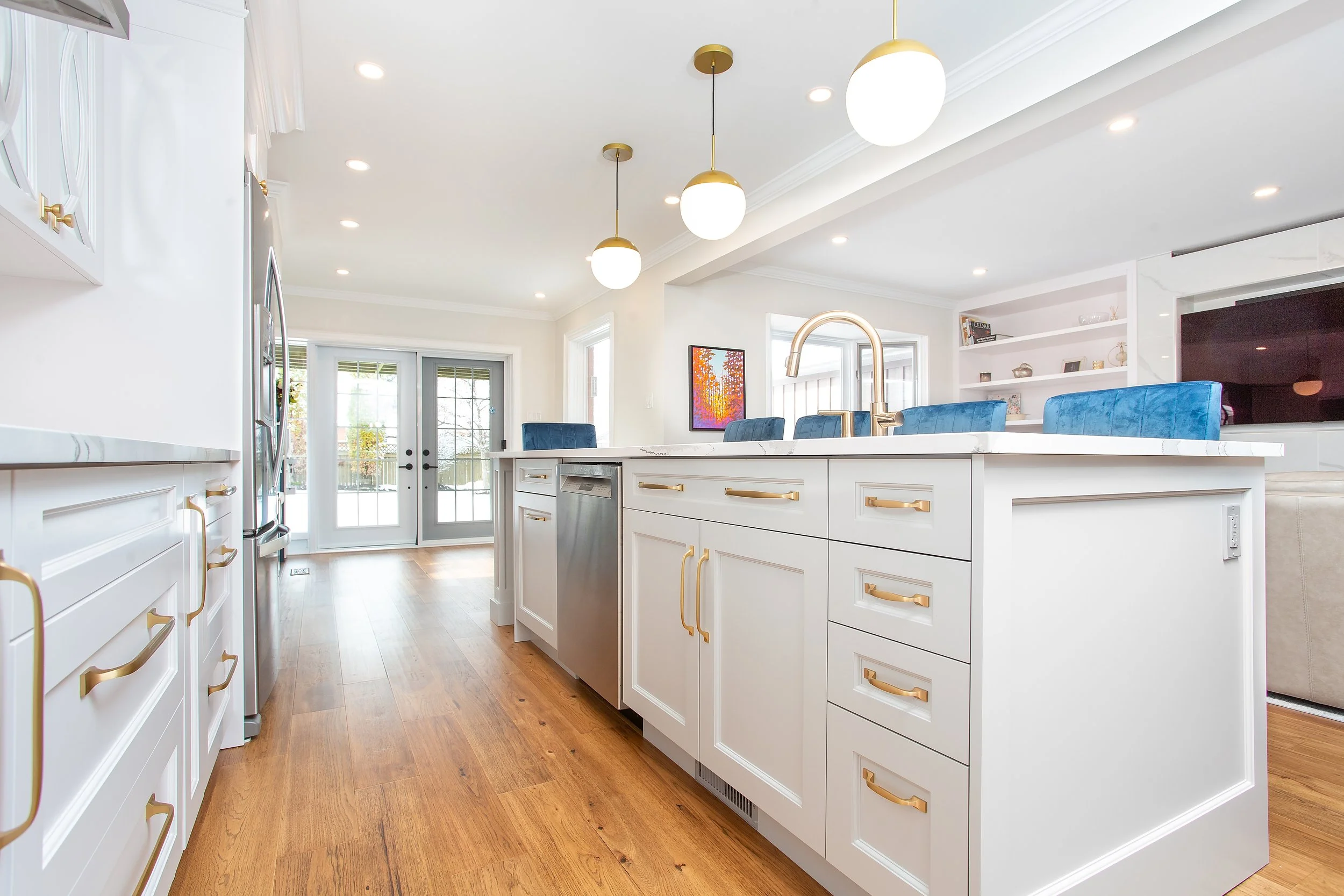
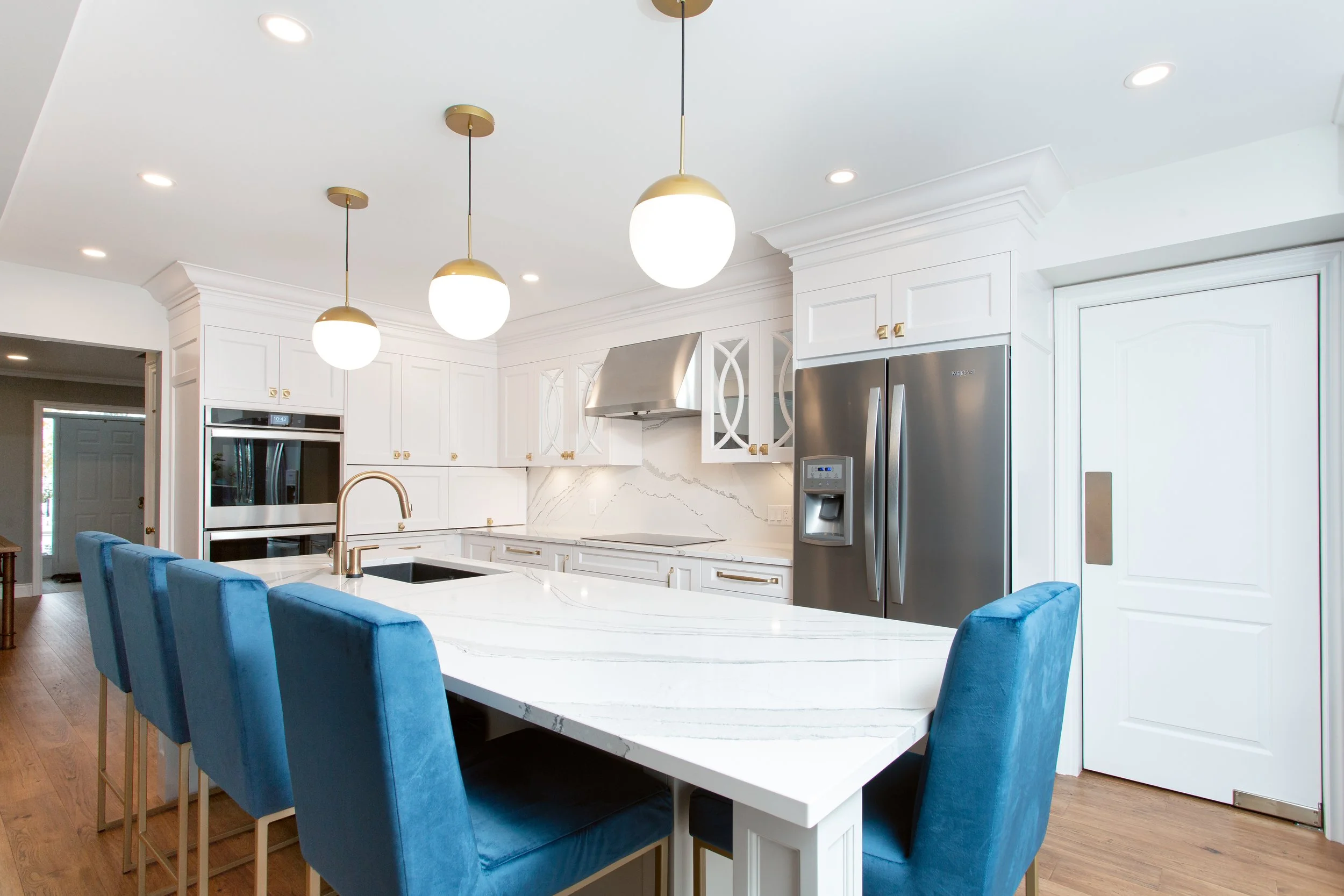
A light filled kitchen has a layout conducive to entertaining and prepping meals all on one level.
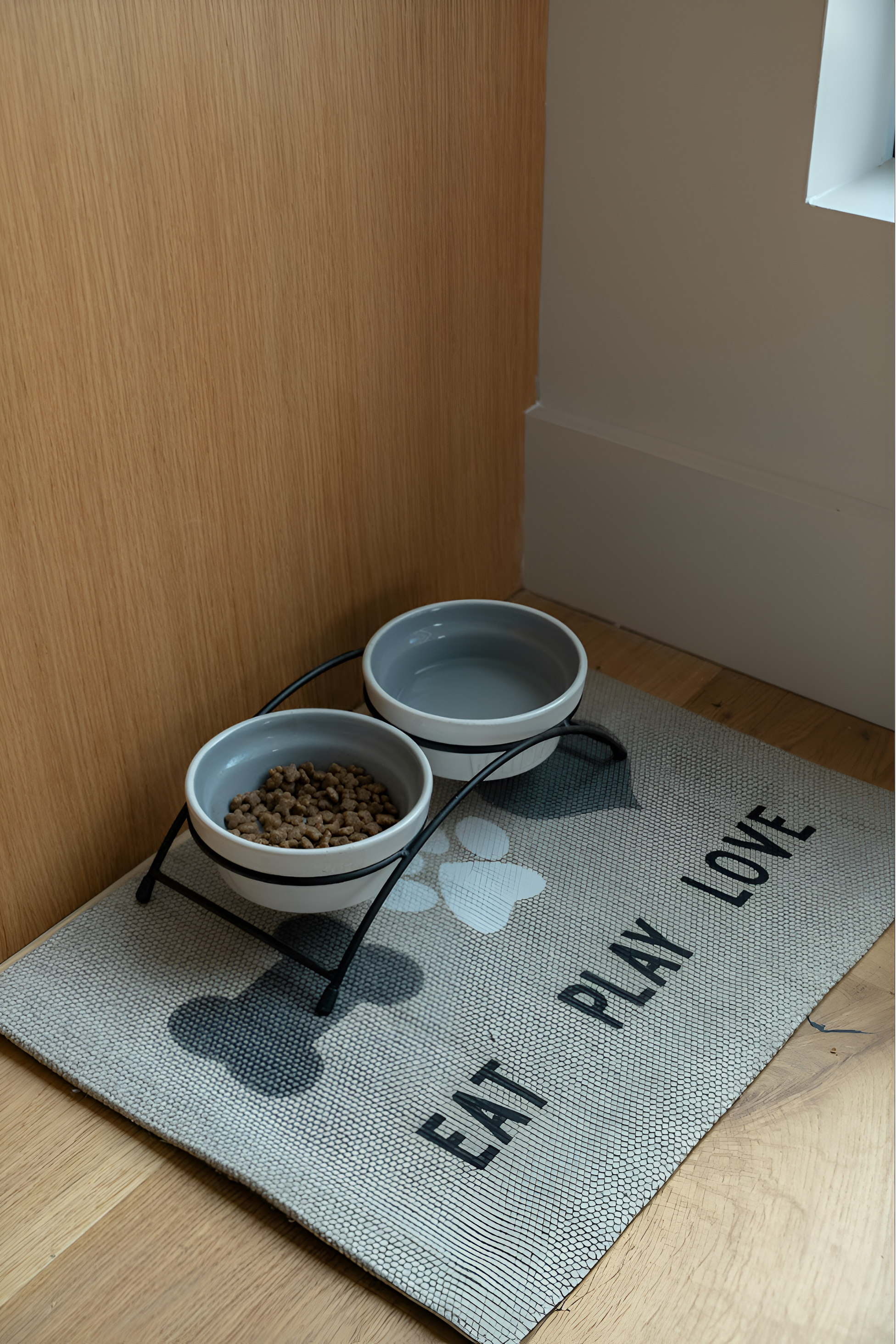
Even our furry family members appreciate the right layout and dining zone!
Most people spend a great deal of time indoors. Researchers have become increasingly interested in the connection between architectural design and the mental health and emotional well-being including how our homes and cottages make us feel. It’s a very real thing that we have a psychological response to our indoor spaces. This is why we work with clients to understand the goals and objectives of what they would like to achieve with their design. From layout to materials used, we focus on design elements to create welcoming, comfortable and usable rooms. It’s about the balance between aesthetics and functionality.
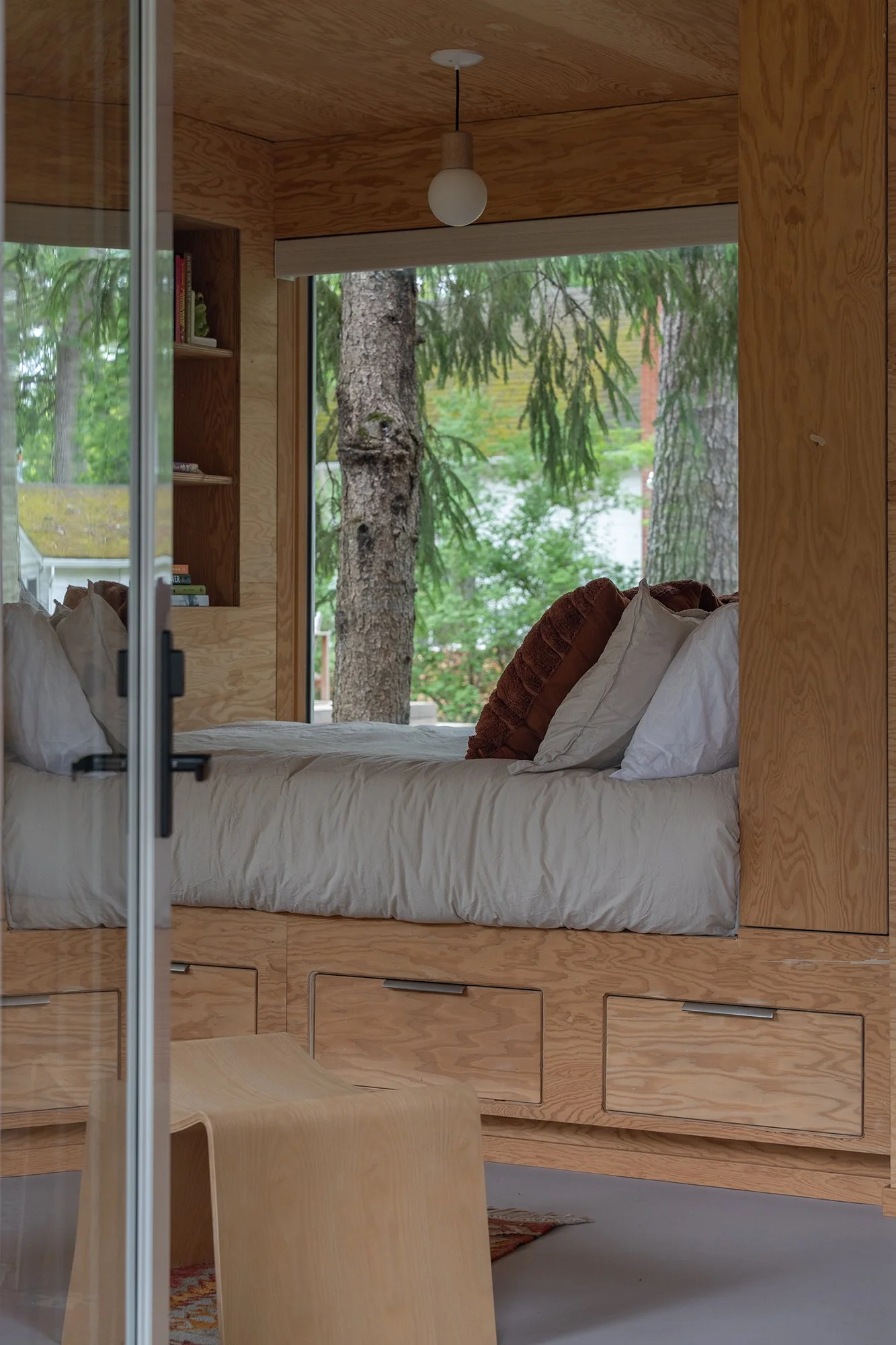
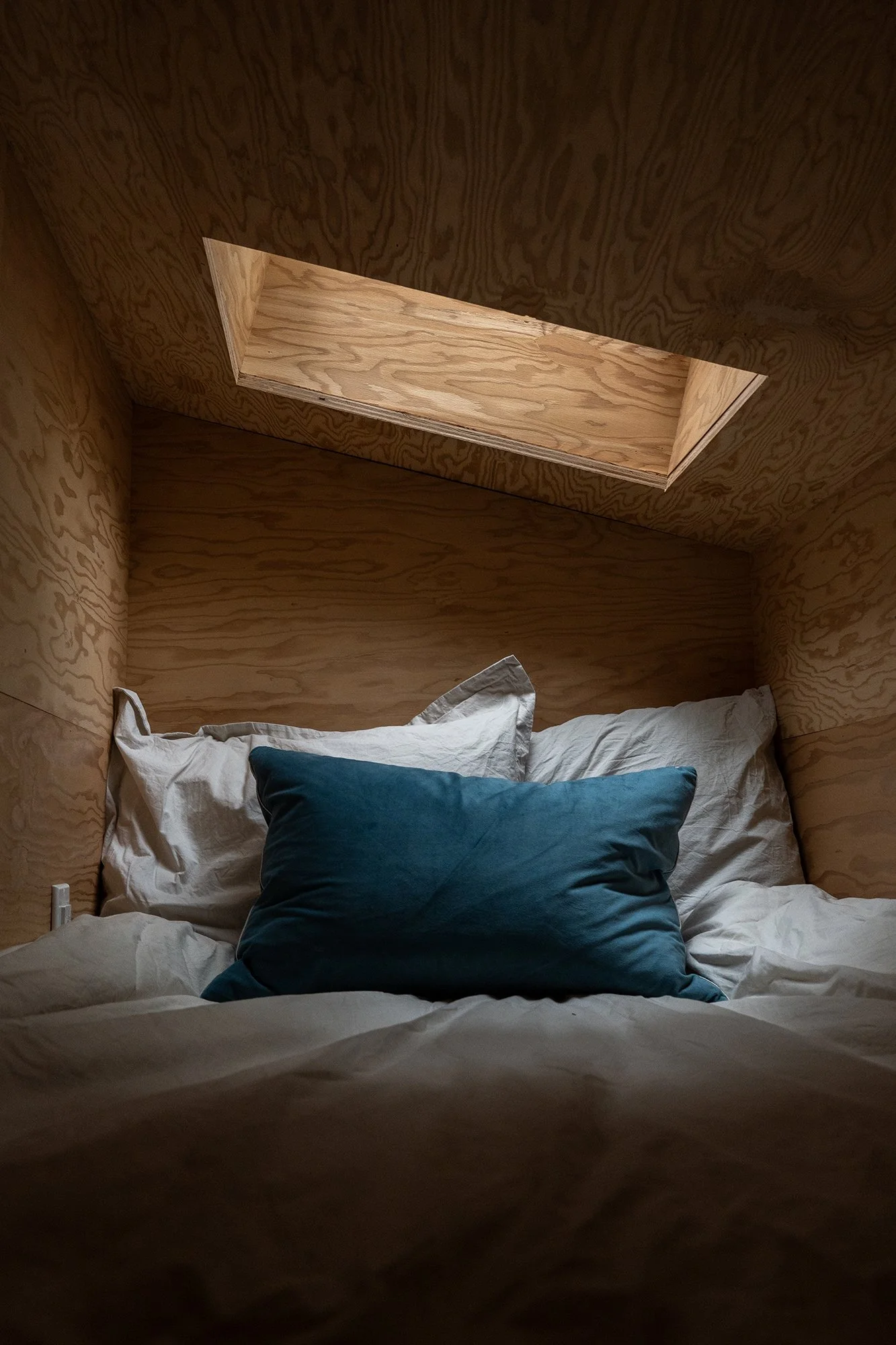
You won’t find anywhere as restorative as our guest house project! Texture and simple design blend to create an oasis in the woods.
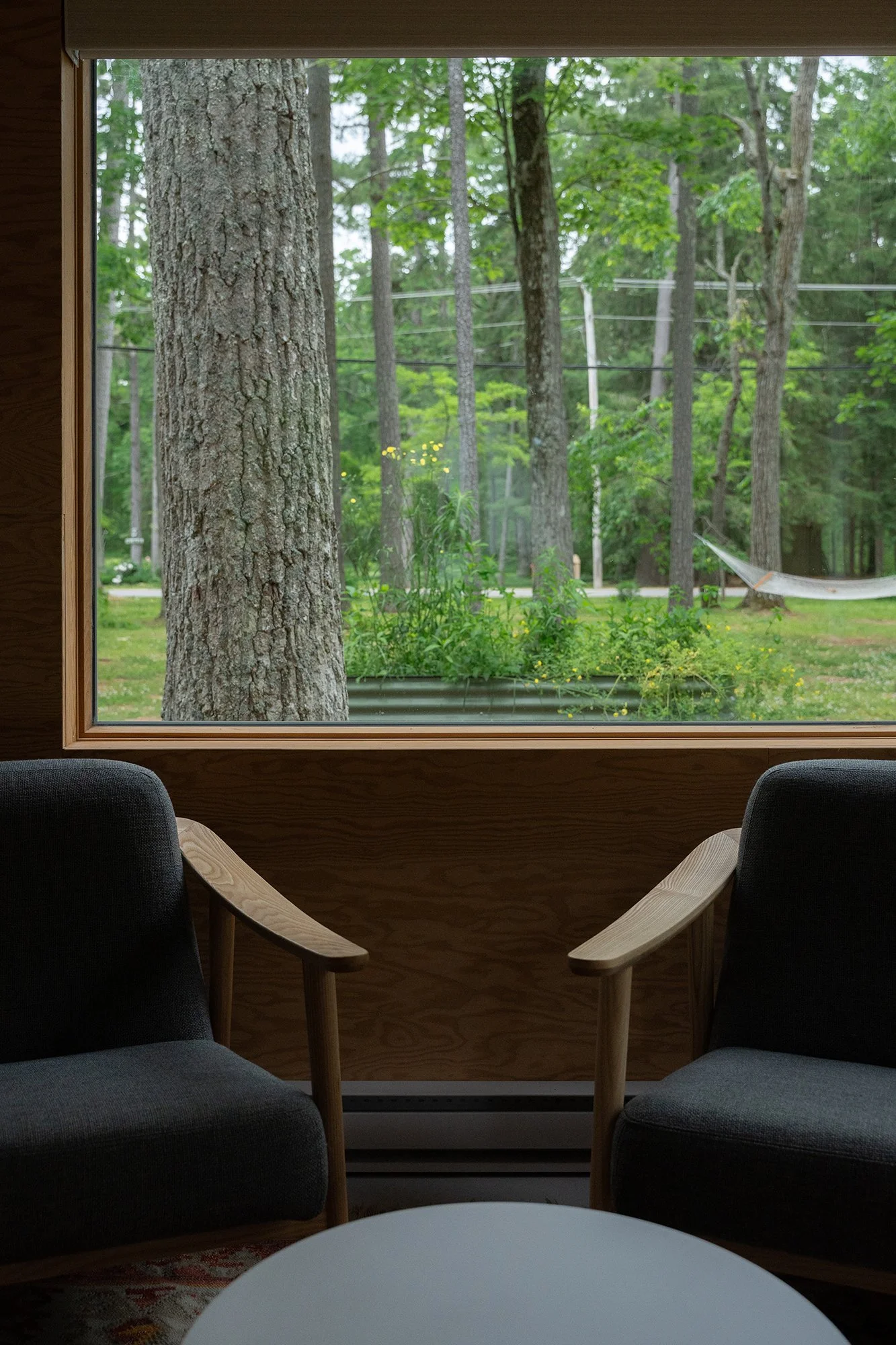
For more guest house project images see our Portfolio.
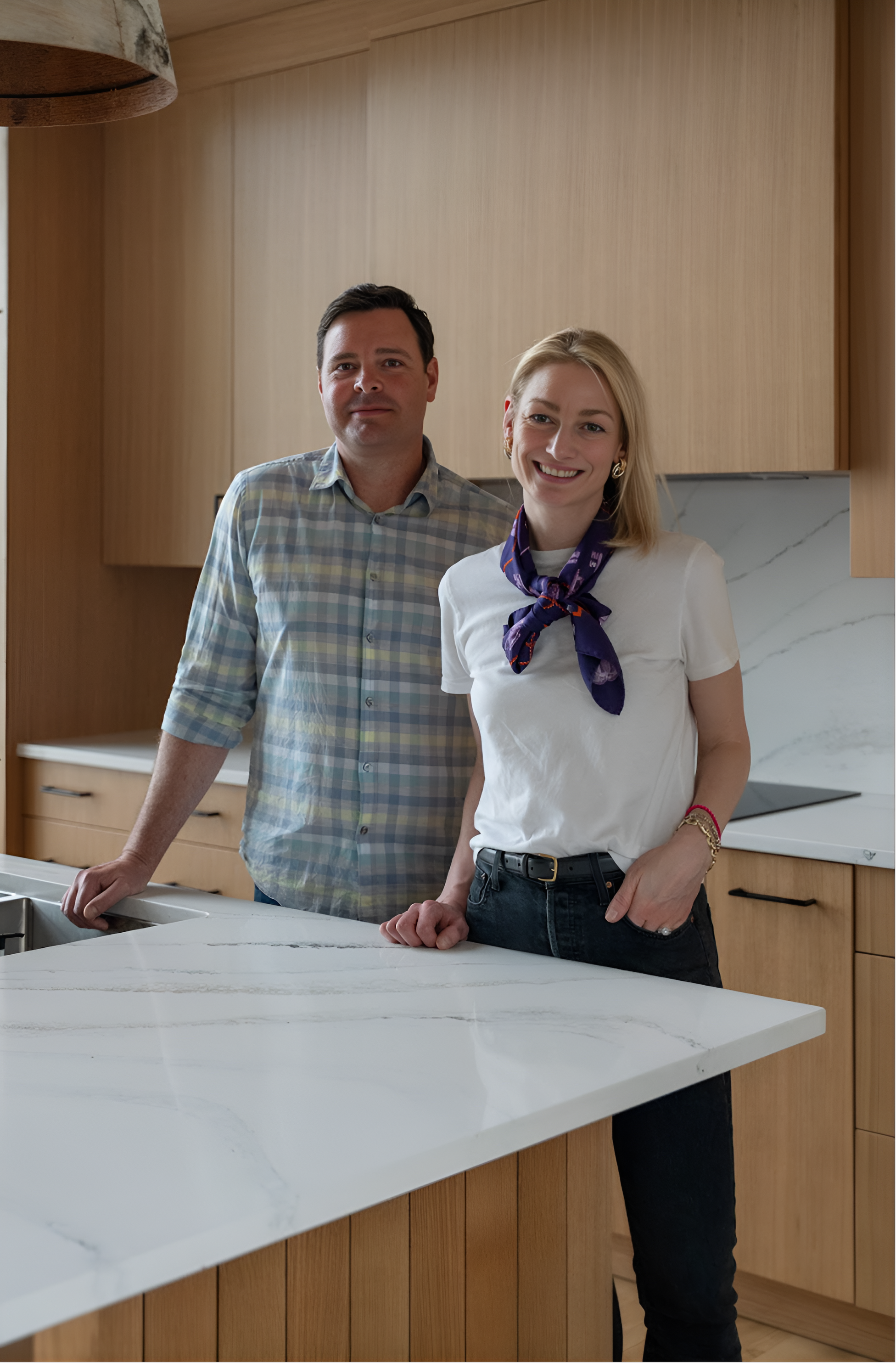
Lead Designer Jenis and I at our Nahma Project on photo shoot day. We both agree that “designing for personal wellbeing means creating a home that supports how you truly live and how you want to feel each day. It’s not just about how a space looks. It’s also about whether it restores you, energizes you, and allows you to move through your life with ease.”
For more blog stories on how we design for living see our post on Slow Design: The Intentional Home
Learn more about our architectural design and other services: https://www.homebytc.ca/home#services
See our latest Project Portfolio full of architectural and interior design imagery: https://www.homebytc.ca/projects
Sign up on our website for our monthly eNewsletter Lakeside Notes featuring all things art, culture and design. Stay current on what’s new in the design world, projects we are working on, the Grove Theatre, events and art exhibitions.
Tim + Chris