Dwell Magazine is a well-known publication that I’m sure many of you have flipped through, if not via subscription at least at the check-out line in many a grocery store. Today, the true value of magazine features lies in their digital presence, where online platforms and subscriptions extend reach far beyond the limits of print. Digital formats offer greater visibility, shareability, and longevity, making them far more impactful than traditional paper editions.
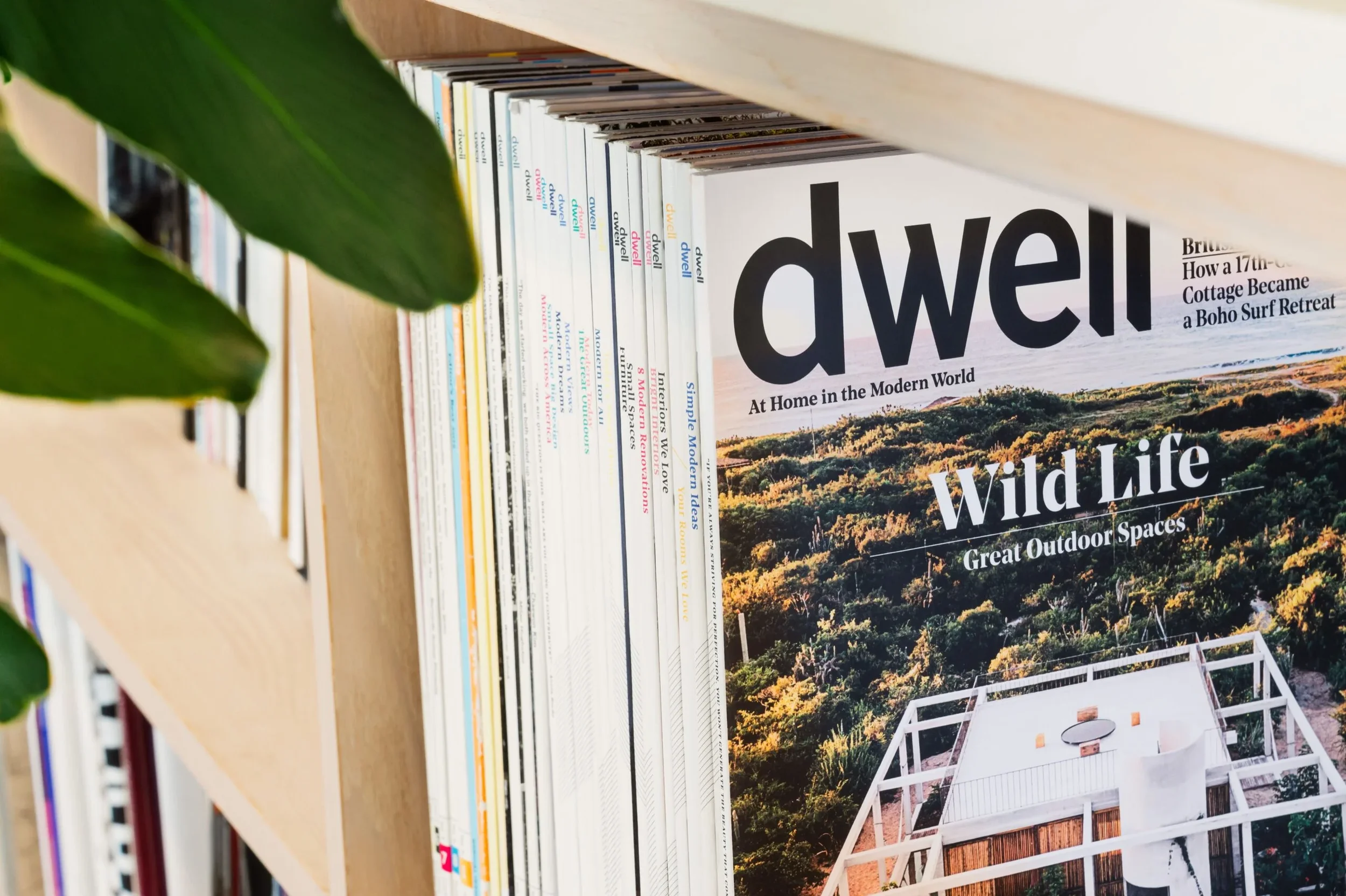
Launched in October 2000 by Lara Hedberg Deam and editor-in-chief Karrie Jacobs, Dwell was created to make modern architecture and design accessible to non-professionals. Based in San Francisco, it bridged the gap between high-design and daily life, advocating for sustainable, "livable" modernism. The brand evolved from a print magazine into a multiplatform media company, including a website, the Dwell on Design conference, and the Dwell House prefab projects before its 2022 acquisition by Recurrent.
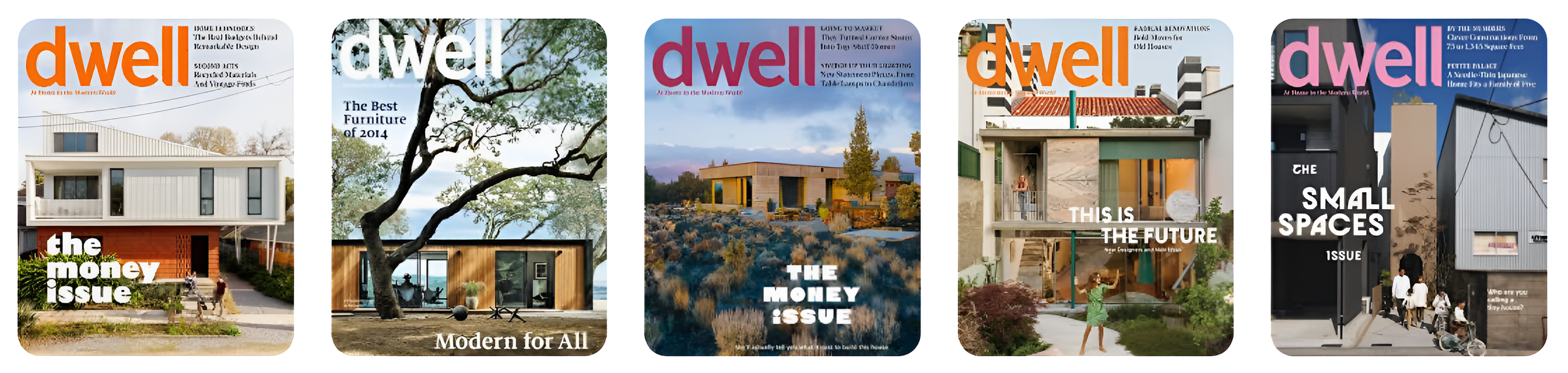
Dwell Magazine back issue covers that convey the clean, modern and sustainable feel of the brand. Dwell magazine is a leading modern residential design brand that champions "good design for everyone," merging functional, minimalist architecture with a "lived-in" aesthetic. It serves as a, curator of modern living, targeting design-savvy consumers and homeowners with, a focus on authenticity, sustainability, and innovative small-space solutions.
For years, for me, to have a feature in Dwell Magazine, has been an iconic goal worth striving for. As we launched Home by Tim + Chris, we knew we were on to something that we both believed in and that came naturally to us. The boutique firm would employ local residents, it would elevate design in the Kawarthas and it would service a demographic of those seeking sophisticated, yet approachable design for their rural, town, and lake properties. To say we have a knack for telling a homeowner’s story would be an understatement. Our designs are layers of lives lived, practical ideas and approaches for everyday living and style that feels like it represents where we live.
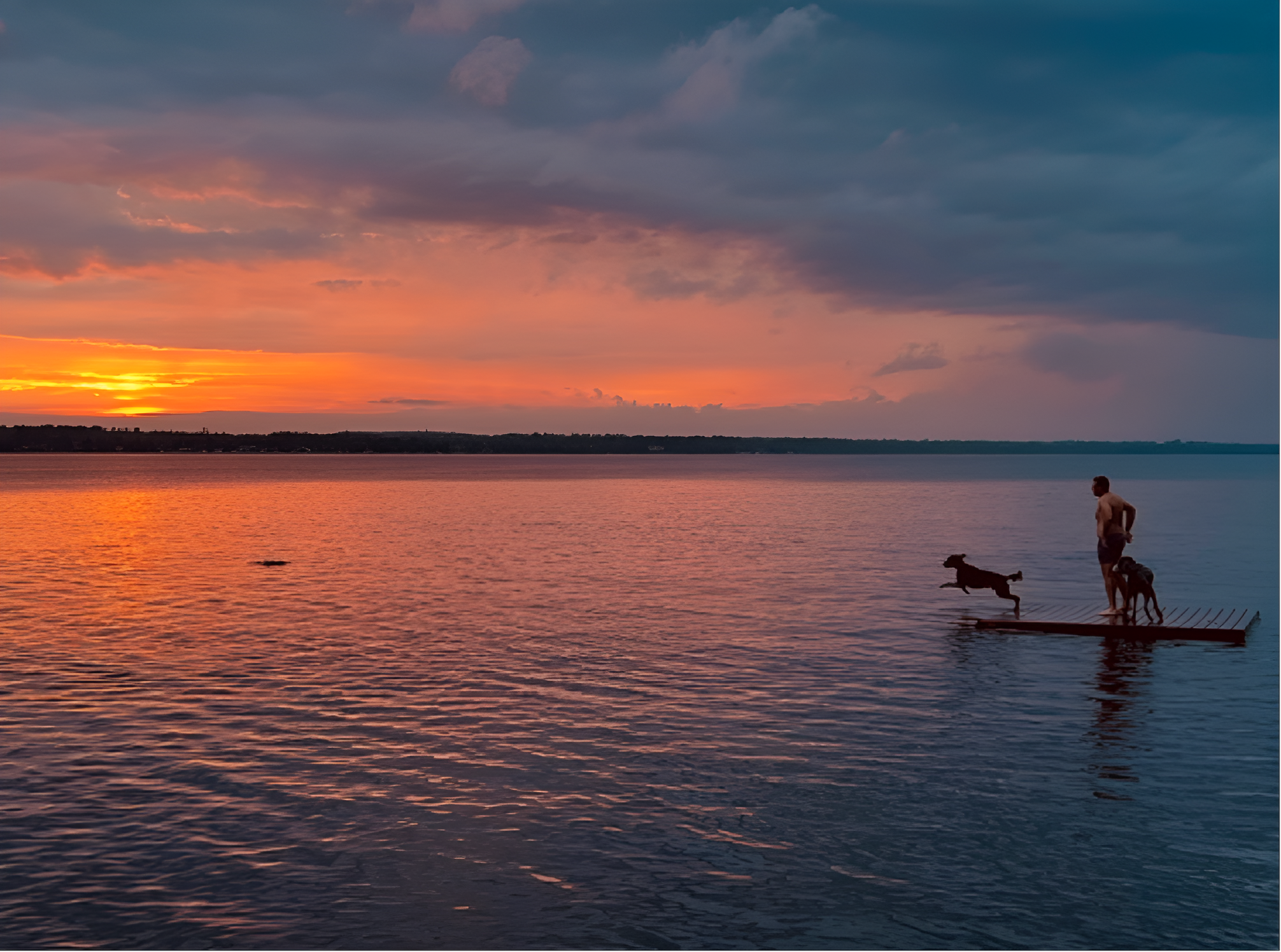
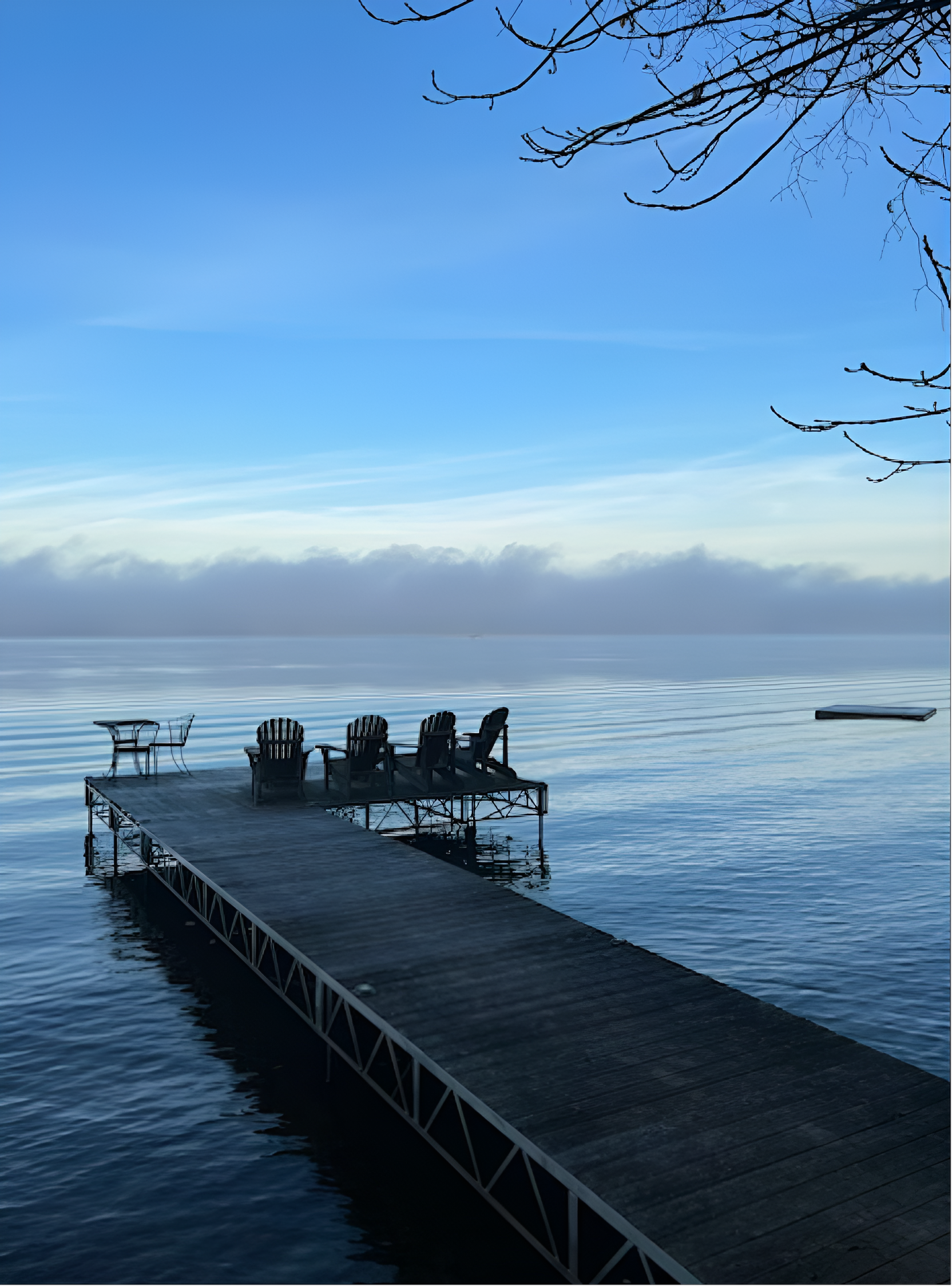
Designing for where we live in the Kawarthas is at the heart of how we approach each project. We are cottage designers, and that comes with a specific brief.
Our Sturgeon Lake guest house project started as almost all projects do that are seeking extra space and separate areas for guests. It was about where would it sit, how would it match the main cottage and how big would it be? Pretty much the standard basic questions, one would ask before launching such an initiative. However, in the true habit of Home by Tim + Chris, the project needed to follow a story that would keep us true to the homeowner intentions and would meet both form and functionality as it pertains to lake living. As well our vision for the guest house was on par with what you would see in Dwell Magazine. We pictured a functional, “honest” modernism for the design. It would connect with nature, be sustainable, and would use natural materials like plywood. The structure itself serves officially as an Additional Residential Unit (ARU) which we are seeing more of in and around Kawartha Lakes. My own mom lives in one right in downtown Fenelon Falls and as an alternative way of living, ARUs are a viable and affordable option for anyone seeking to house additional family or friends comfortably. Recently we’ve been implementing a few of these projects and sharing the success stories has led to other families creating space for their growing and/or aging family. Having a professional designer on board is definitely helpful for navigating and understanding the permitting process, construction details, layouts, site plans and the application itself. Optimizing space and understanding how a space is used is paramount to delivering a solution that might be small on design but big on style.
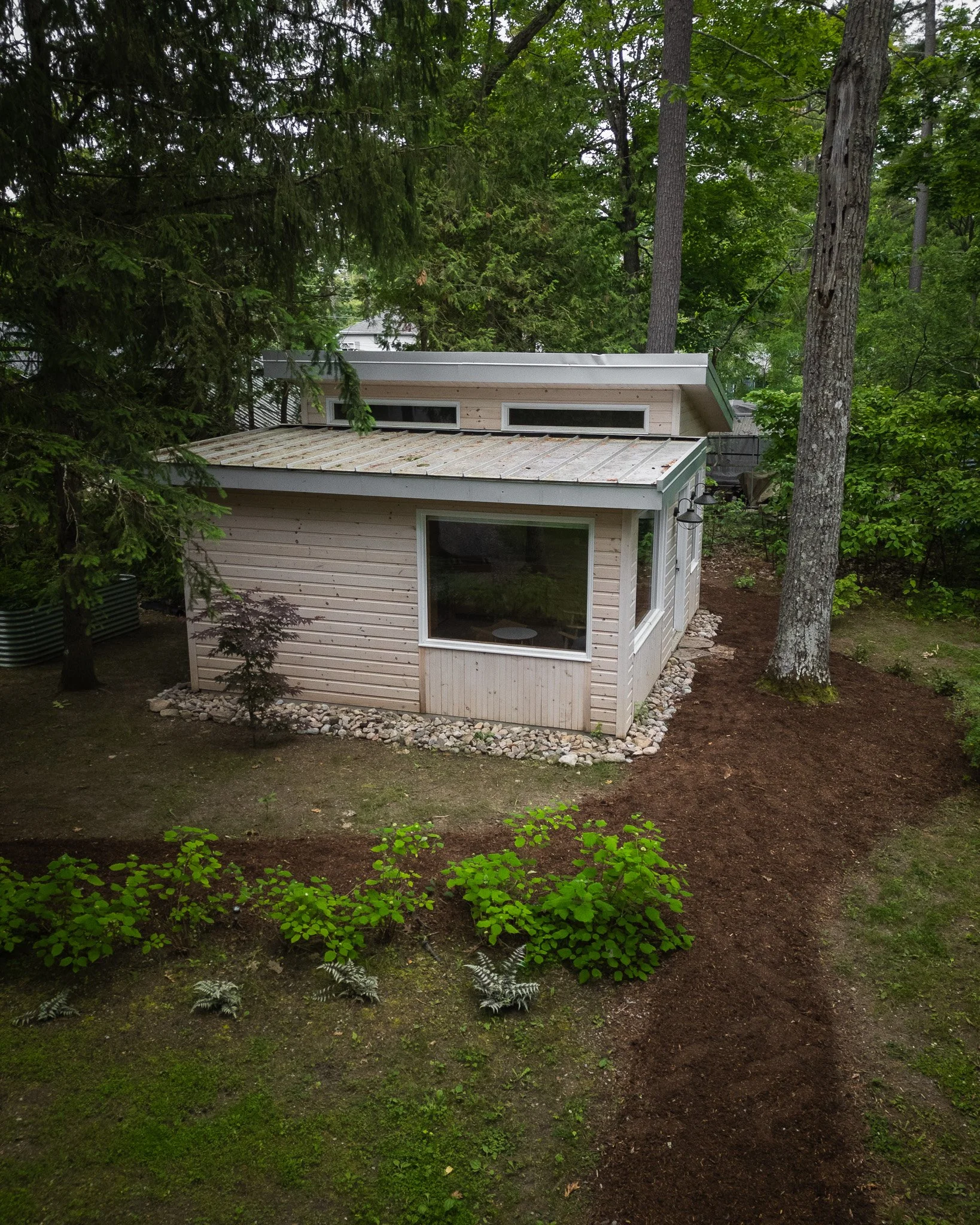
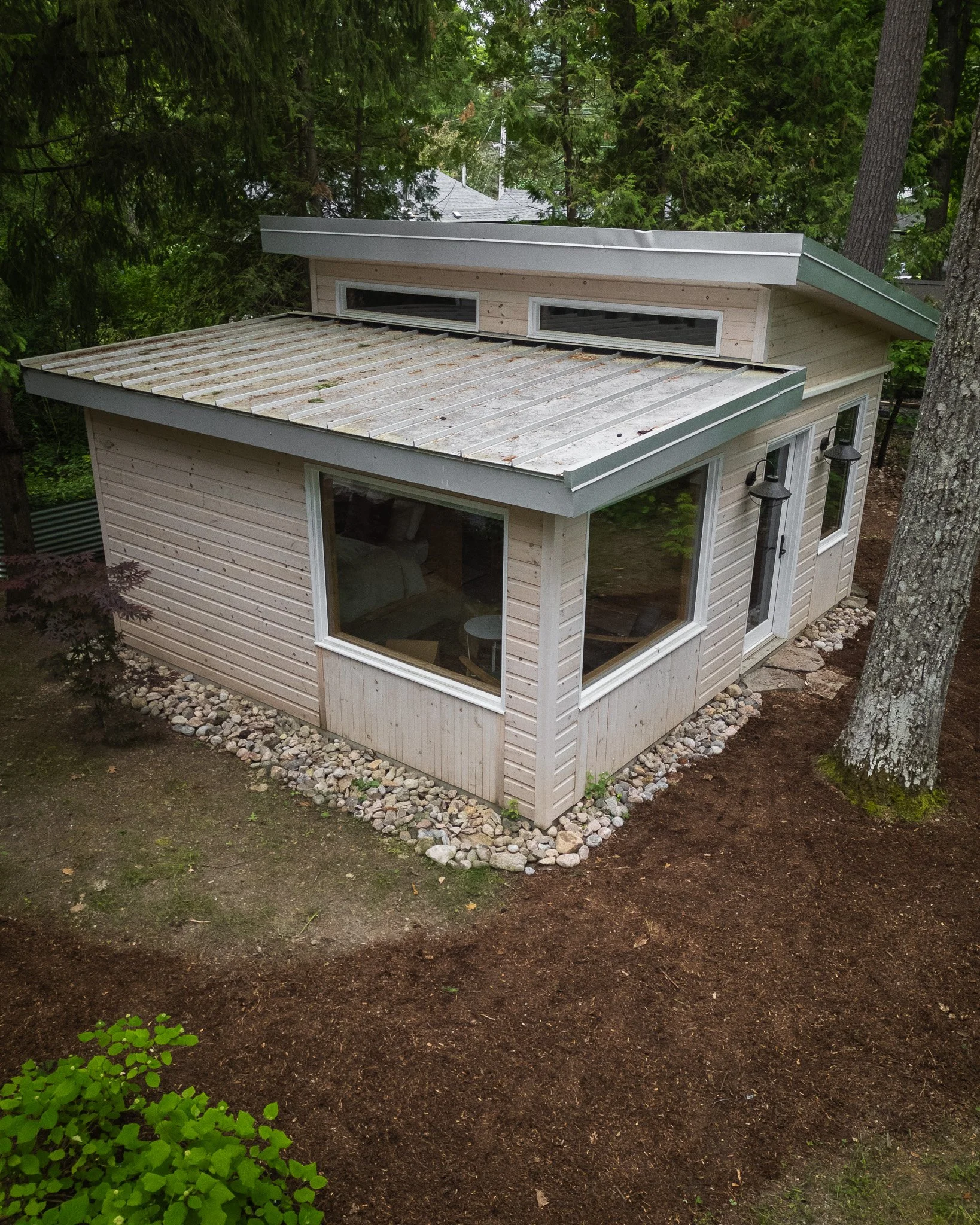
The completed Guest House with siding that blends into the natural surroundings. We were purposeful about where the structure would sit for minimal site disruption.
Homeowners are carving out private zones within smaller footprints, creating dual-purpose rooms, and designing cottages that can host family while still feeling intimate and manageable. The result is a new, personalized approach to living that reflects how people actually use their homes and cottages. The designs that we now present to clients support changing family dynamics, and values connection, creativity, and individuality over traditional definitions of size and status.
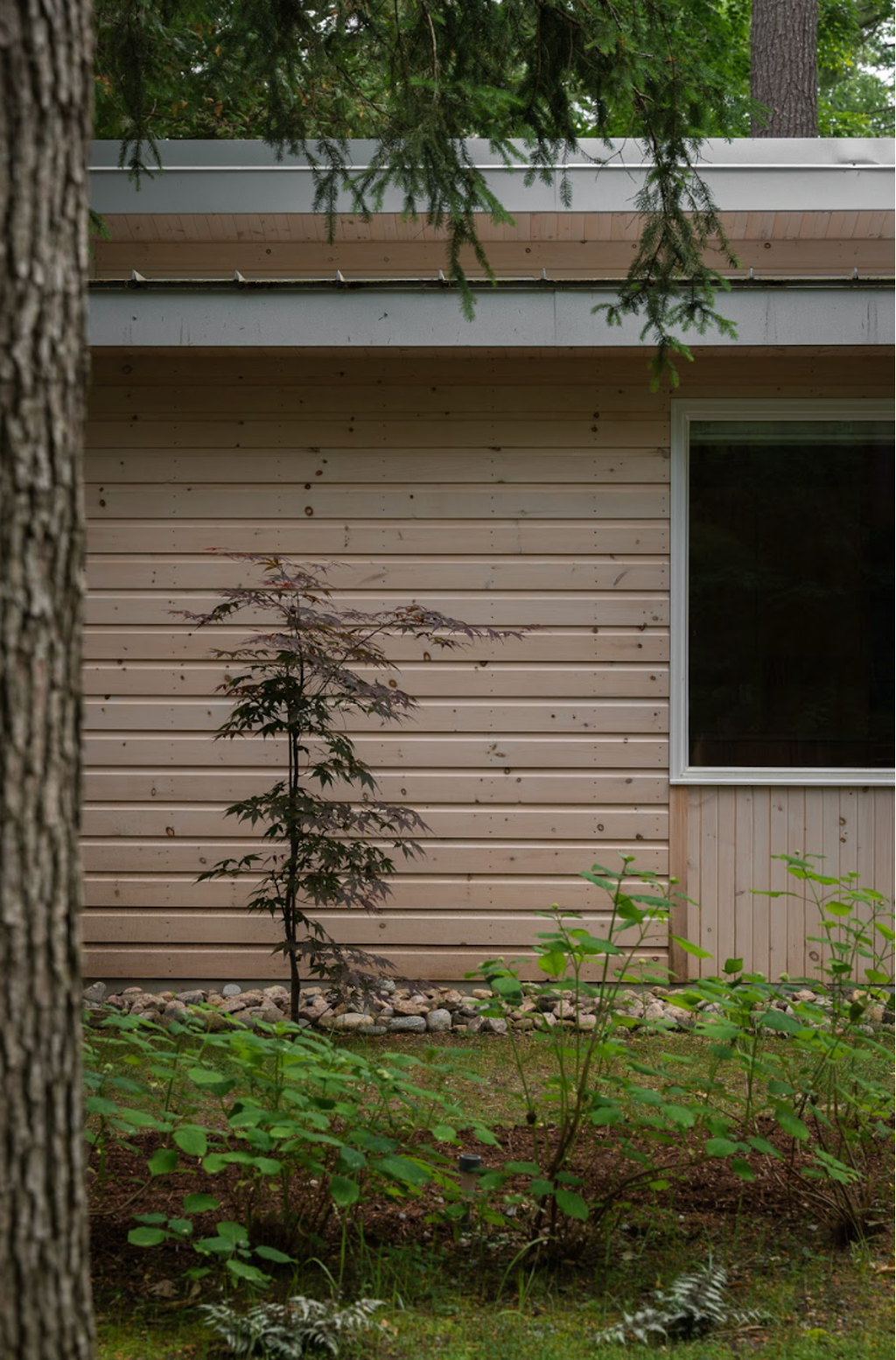
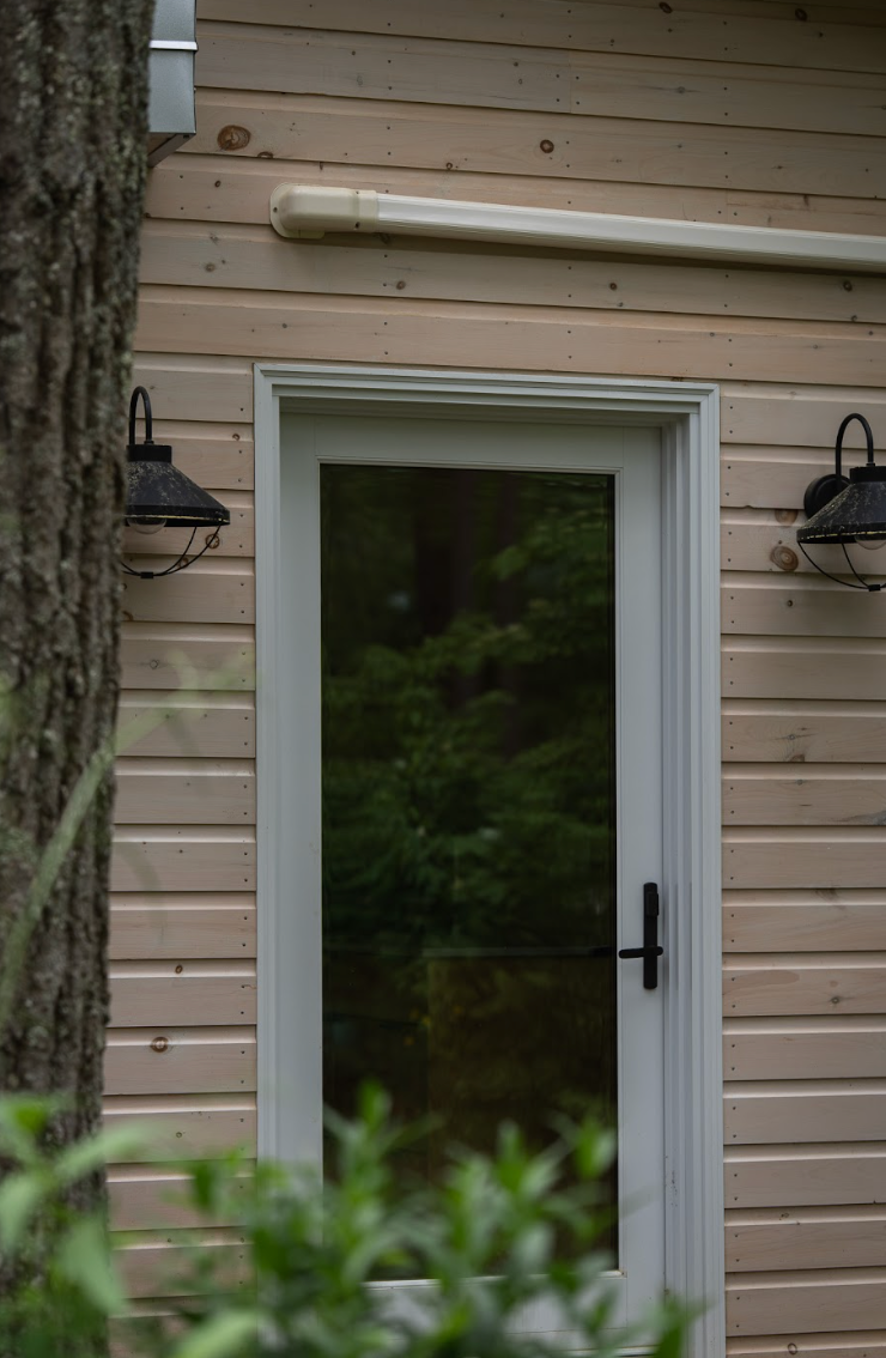
The simple, clean lines of the Guest House made it a perfect fit for a Dwell feature. Dwell magazine promotes a modernist aesthetic by minimalism, functionality, sustainability, and a strong connection between indoor and outdoor living. It focuses on "warm modernism," combining clean lines and geometric shapes with natural materials to create approachable, livable spaces.
Enter Dwell Magazine and our feature story for the Roberts Family Guest House! The Guest House is made with almost all Canadian products and we kept the original footprint so that we would not impact the site further. The important thing was to not cut down any trees and to only use the necessary space to satisfy the homeowners and our design brief. The buildings siding was matched to the main cottage exterior. The only change was a slight nuance to the colour as we wanted to blend the Guest House into the surroundings best we could and we wanted it to match an older log structure already on the property. The slab is insulated, and walls are spray foamed and windows triple pane to make it easy to get up to temperature in cold Canadian winters and hot summers.
Overall, the end result was a space-conscious design with an indoor-outdoor connection. The focus on warm materials, especially plywood, created a comforting space. The interior design is what I refer to as “lived in” styling and because I know that Dwell Magazine prioritizes authentic, unstaged homes, I knew we had a good chance at a feature story for this project! In the words of Dwell, “we favour spaces that look like “a good friend” lives there.” That is exactly the design sentiment that the guest house conveys!
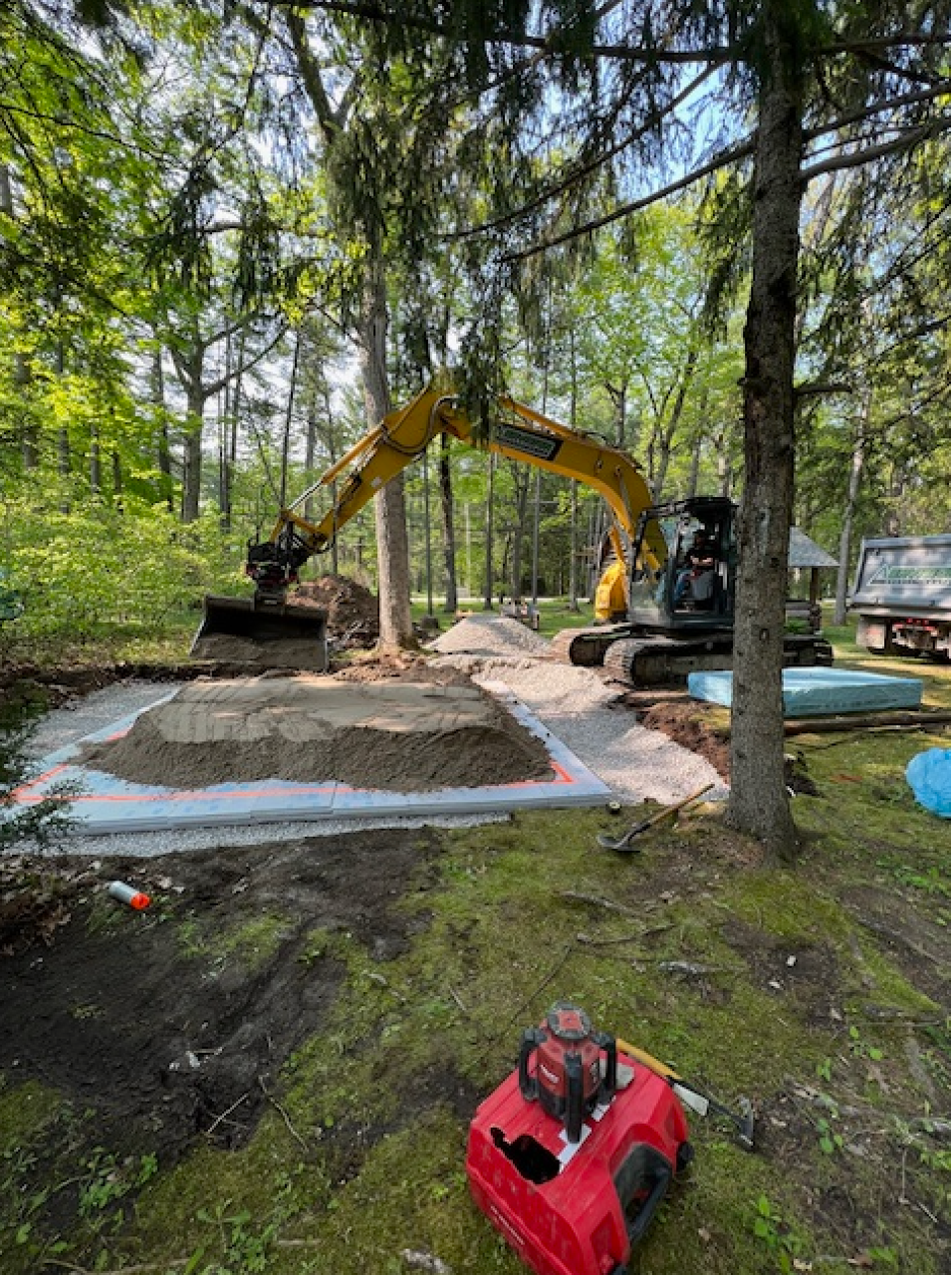
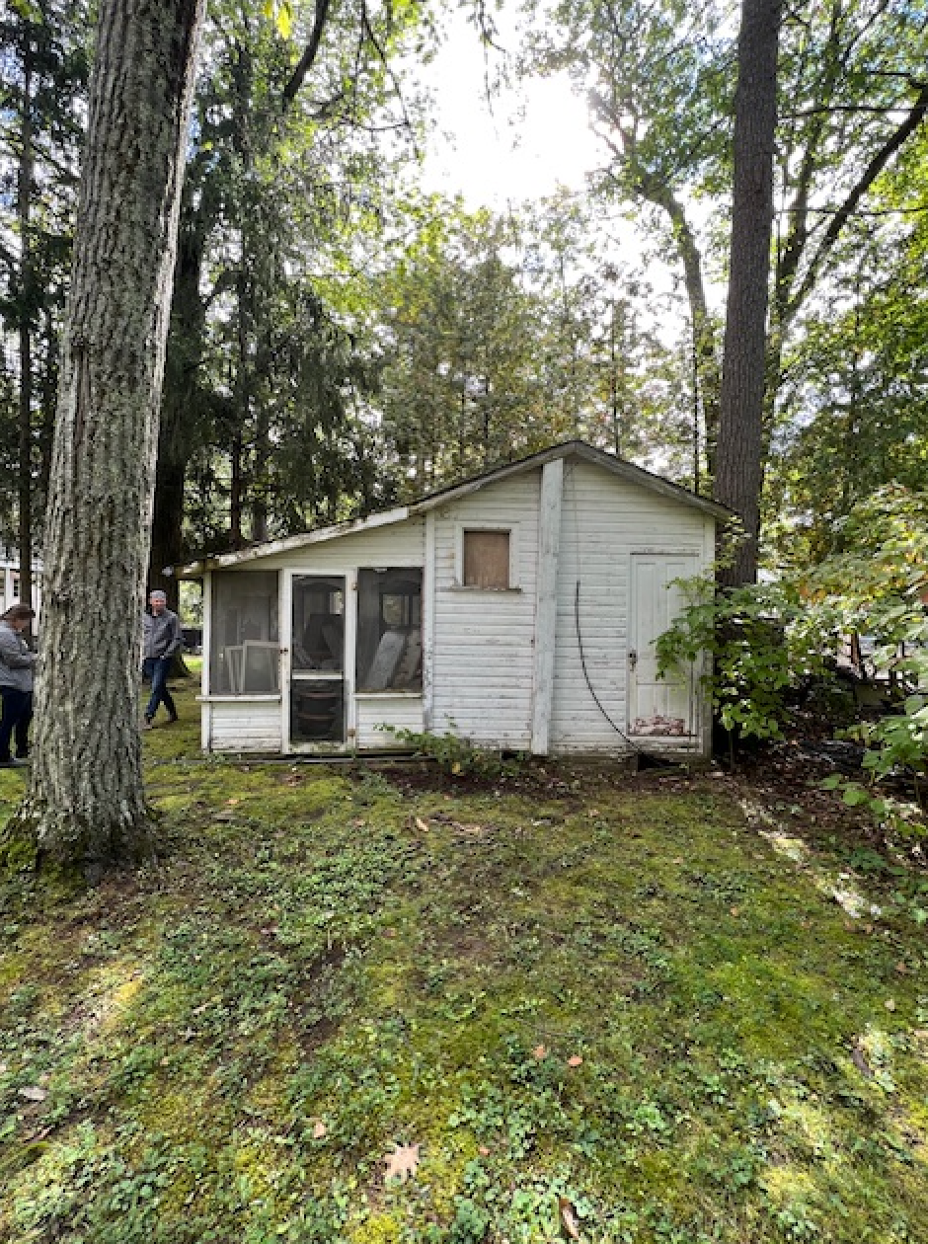
A look at the previous dwelling as well as the poured insulated slab. Having the previous footprint was helpful to imagine how a new structure could function for the same space.
Laura Mauk for Dwell Magazine represented our story well and we worked together to identify the unique components and design elements that went into the project. It was exciting to circle back with the homeowners and to work with them again to build the story around their project!
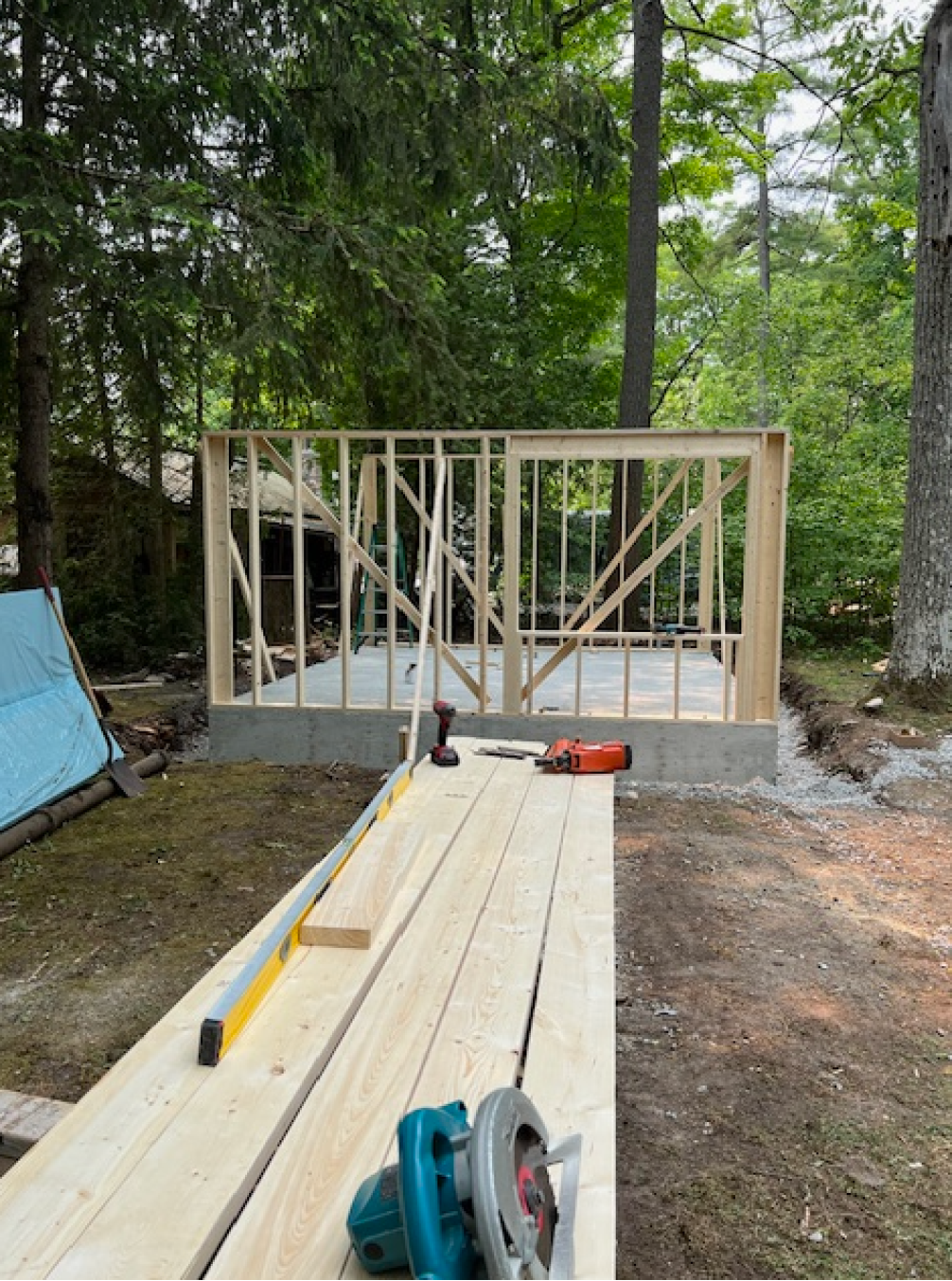
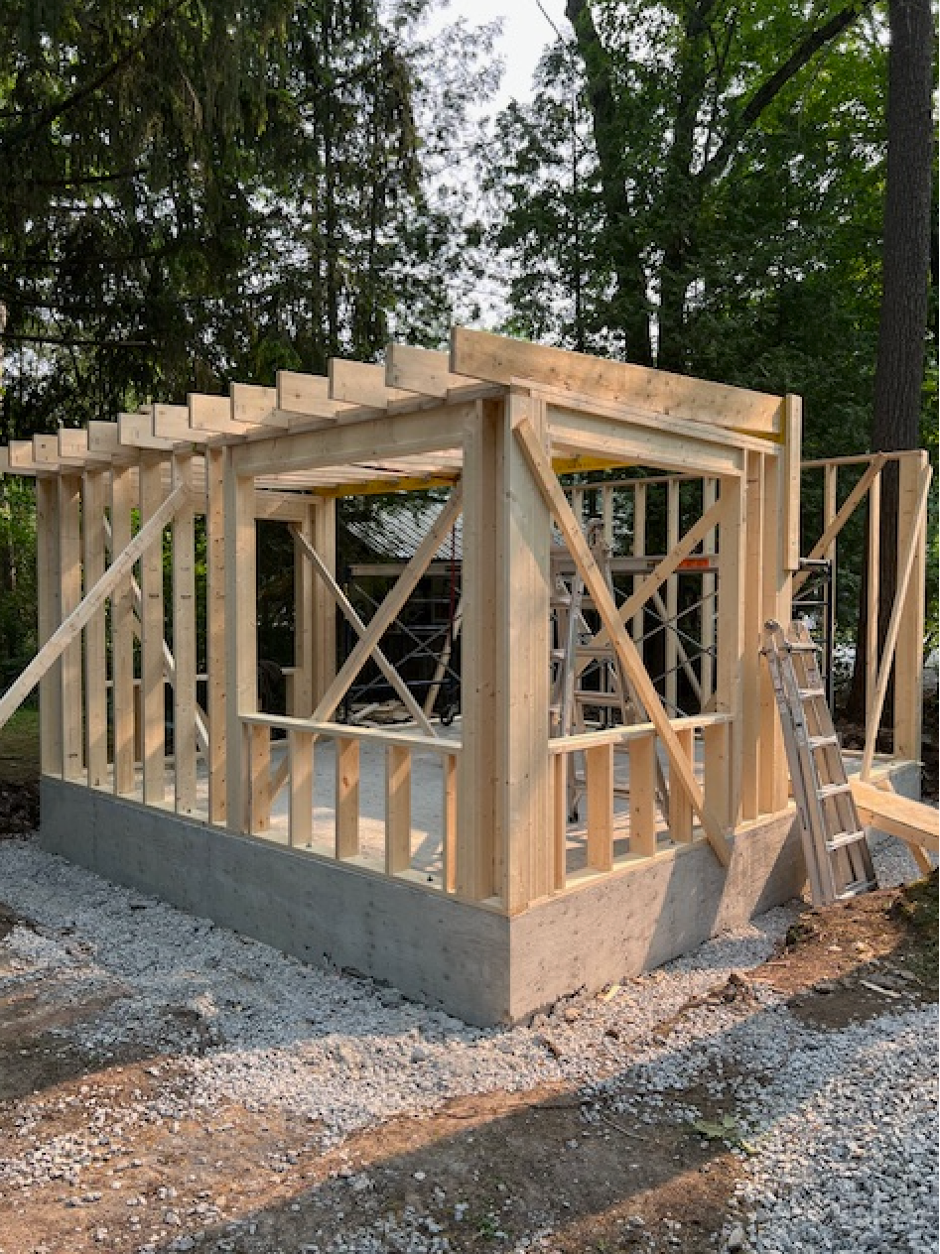
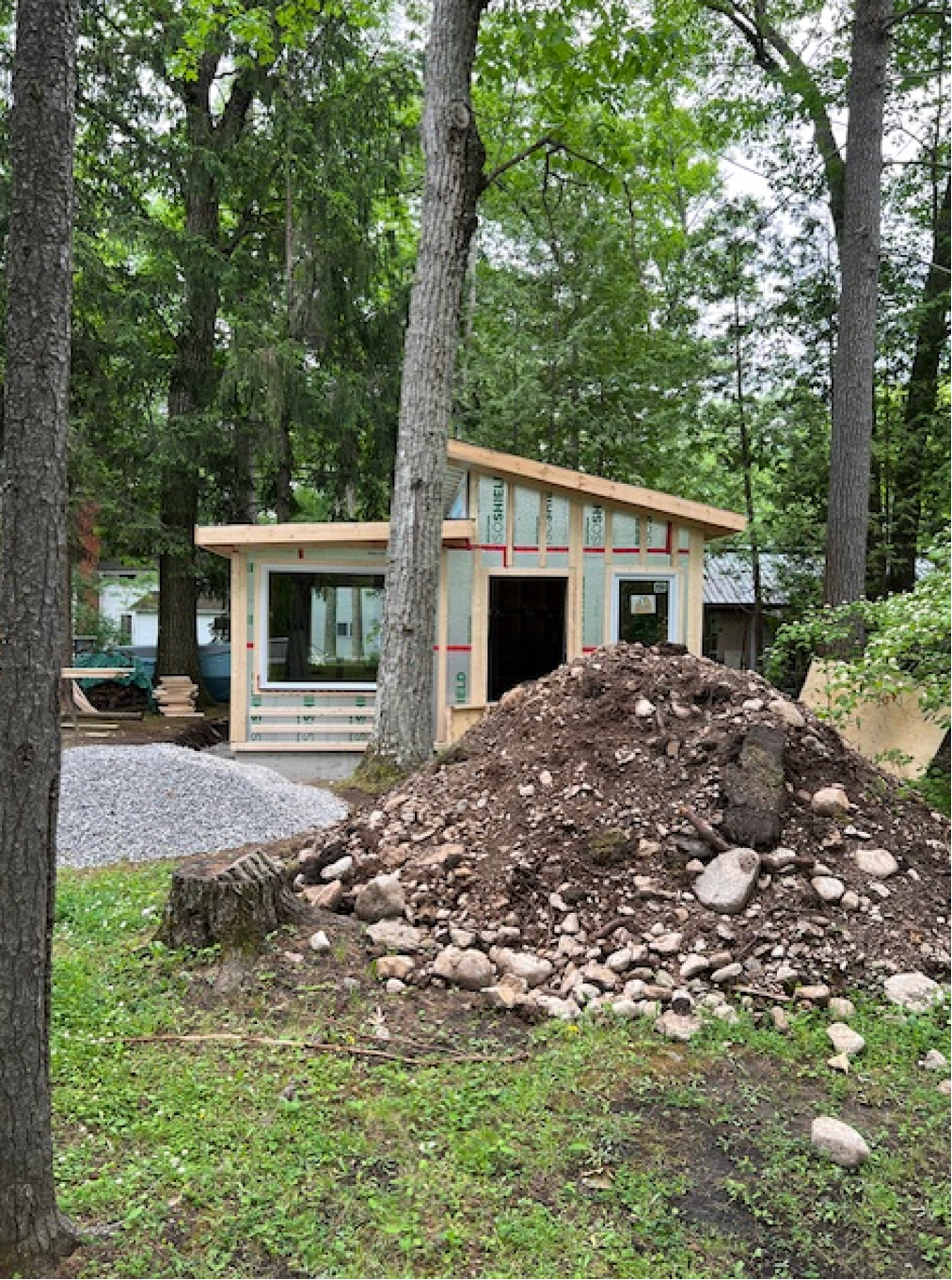
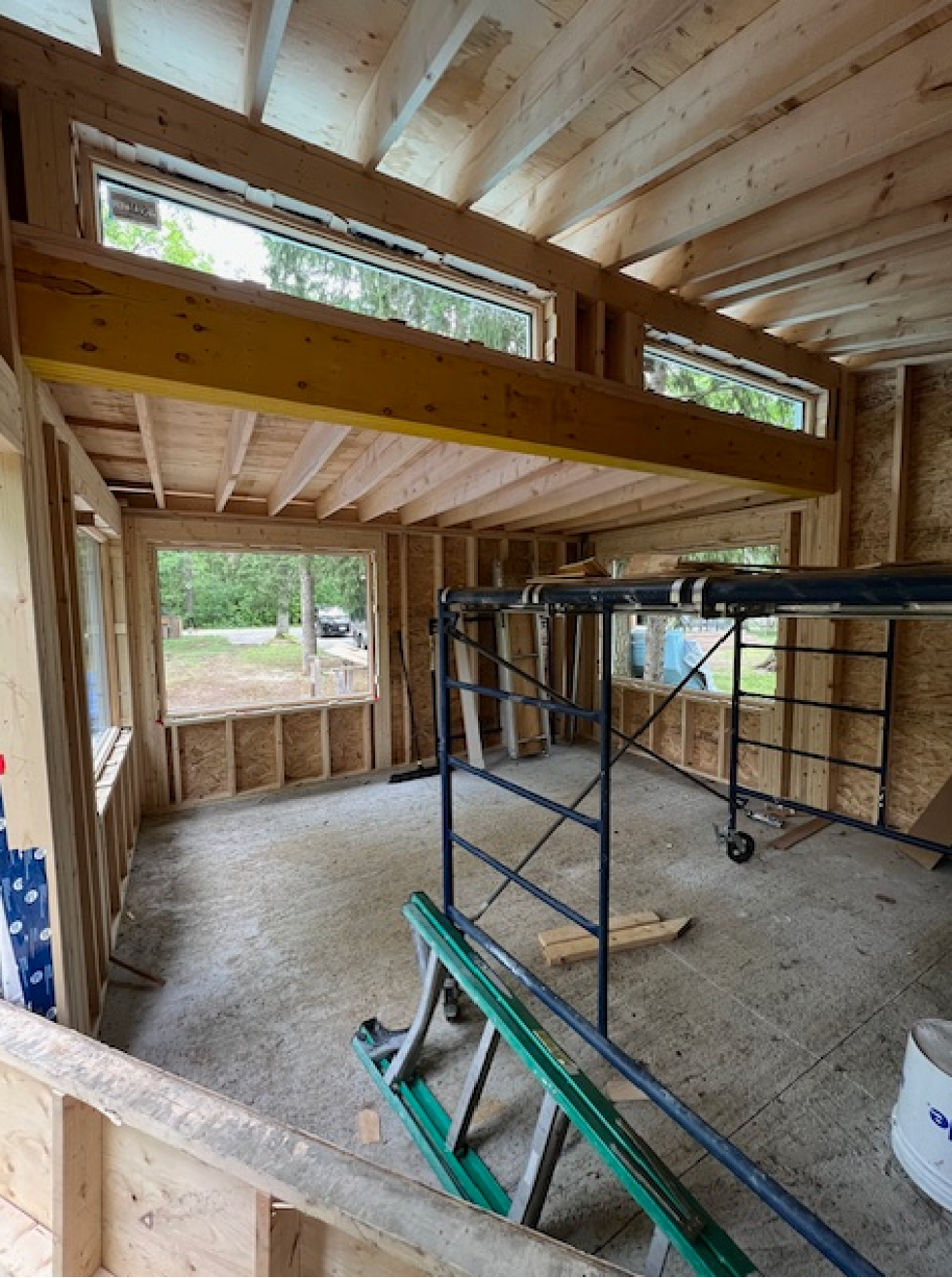
A look at during the construction process.
To have your work recognized by a professional magazine with a long and respected legacy is a truly meaningful milestone for any interior designer. It is not only the honor of being published, but the experience of seeing your work thoughtfully written about and appreciated alongside some of the world’s most celebrated design. In that moment, the vision, principles, and careful decision-making behind the project are acknowledged in a broader context.
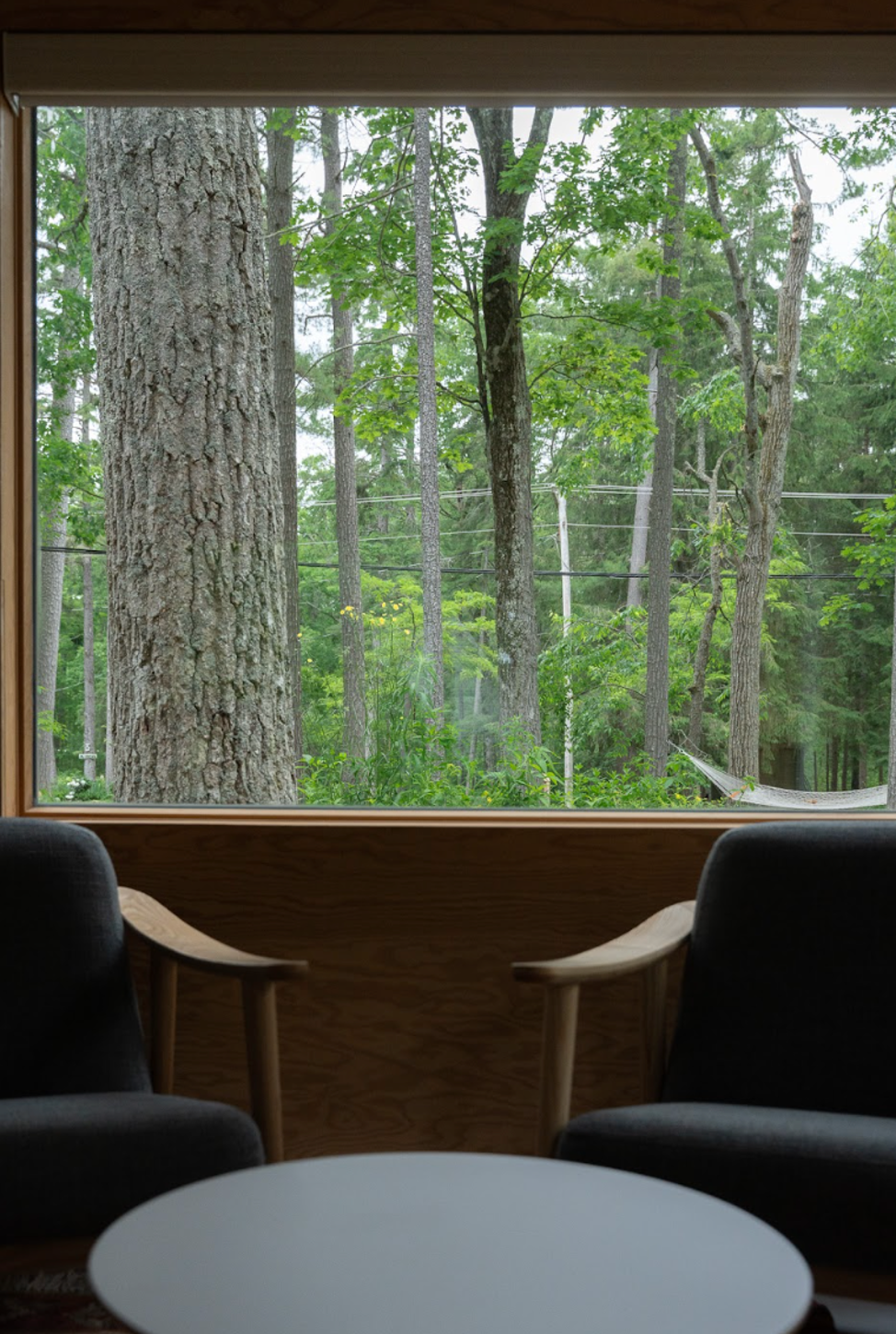
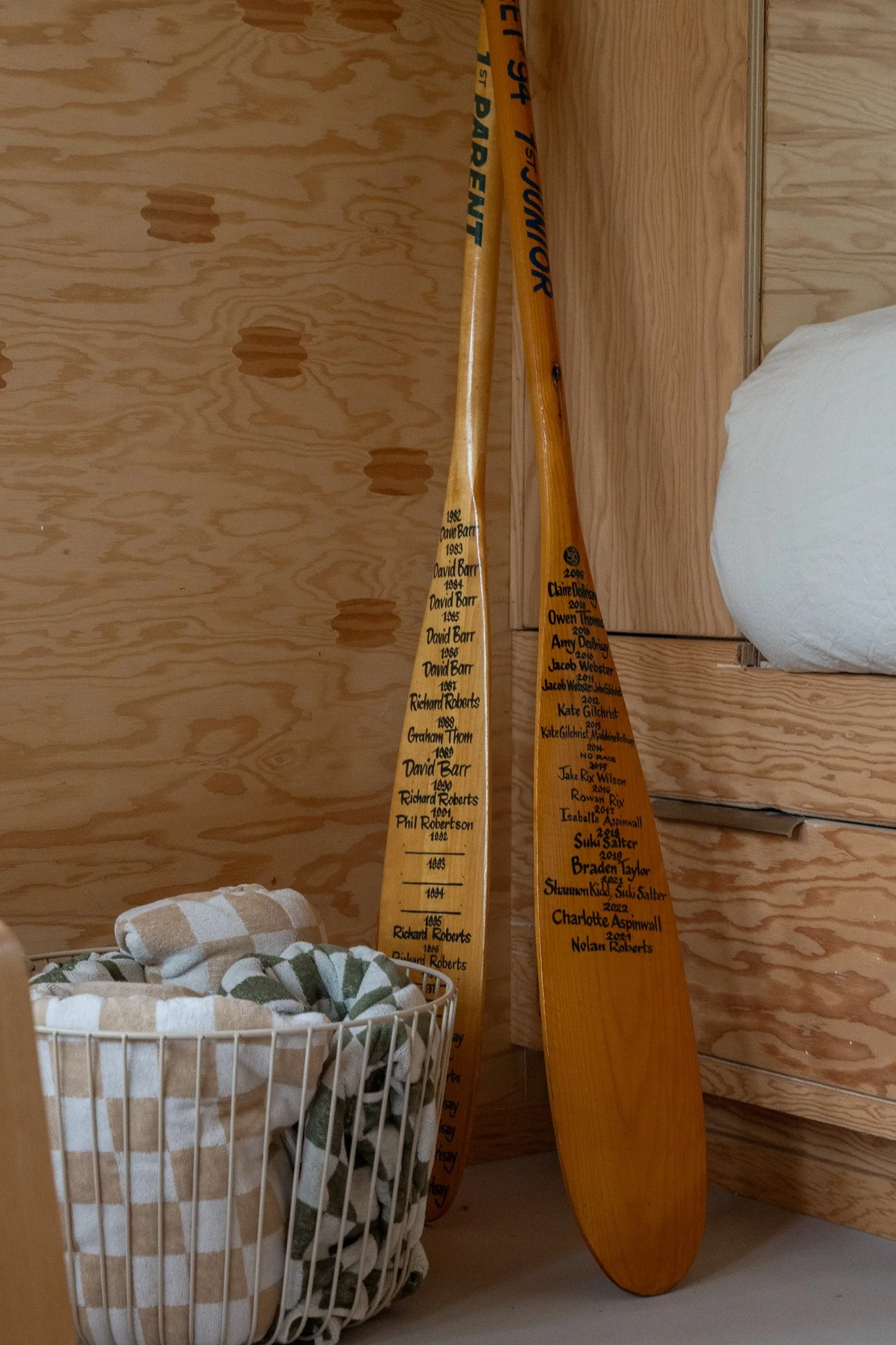
The interior is plywood contributing to the modern feel we wanted to convey. Plywood is a warm and modern interior choice due to its natural, light-toned grain, which adds organic texture while creating a minimalist, sleek aesthetic. Its versatility allows it to be used for walls, ceilings, and custom furniture, offering durability, sustainability, and a clean, Scandinavian inspired look that feels both welcoming and contemporary in the Kawarthas.
What began as a Guest House nestled in the woods is now understood as something far more personal, a space intentionally created for connection, where family and friends will gather and create lasting memories. To have that story, and the balance of function and design that brought it to life, recognized at this level elevates both the project and the narrative it carries for our clients.
Read the story here
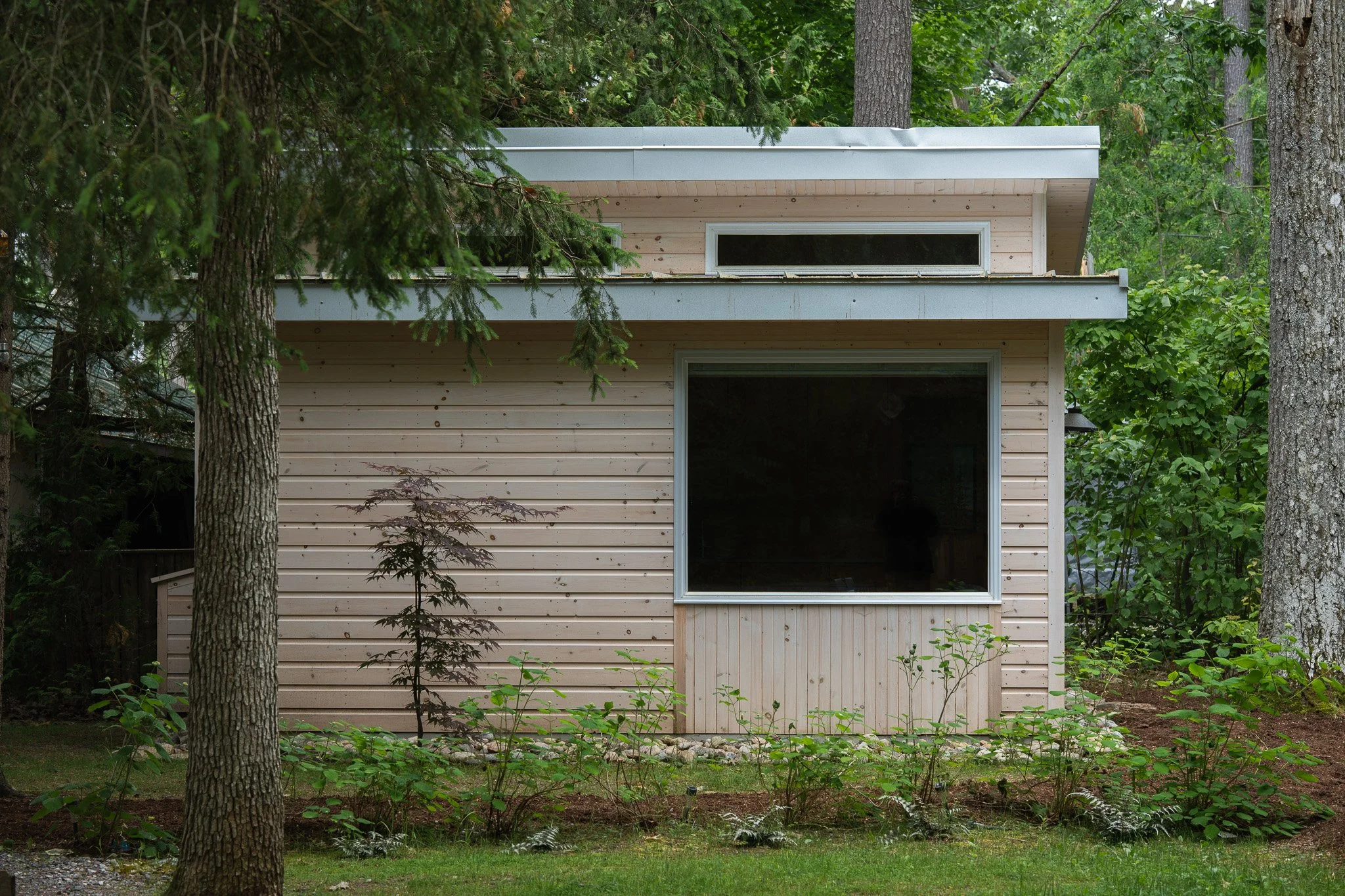
A final view of the Guest House. It’s not overly landscaped giving it the impression it’s always been there. Exterior editing is as much a part of design as interior. Knowing when to let nature lead is key to a Kawartha feel in that structures need to feel part of the actual landscape.
I’m proud of this design story and proud to share with all of you! It can also be found in our Press Section
For more imagery of the Guest House visit our Project Portfolio
For more blog stories on how we design for living see our post on Slow Design: The Intentional Home
Learn more about our architectural design and other services: https://www.homebytc.ca/home#services
See our latest Project Portfolio full of architectural and interior design imagery:
https://www.homebytc.ca/projects
Sign up on our website for our monthly eNewsletter Lakeside Notes featuring all things art, culture and design. Stay current on what’s new in the design world, projects we are working on, the Grove Theatre, events and art exhibitions.
Tim + Chris